Mori Building completes three hybrid solar plants through PPA structured with TEPCO

Mori Building has completed three solar-plus-storage plants in Japan to supply its real estate assets through an intra-group partnership structured by TEPCO Energy Partner.

Share:

Comprehensive energy news coverage, updated nonstop

Annual subscription

8.25$/month*

*billed annually at 99$/year for the first year then 149,00$/year ​

Unlimited access • Archives included • Professional invoice

OTHER ACCESS OPTIONS

Monthly subscription

Unlimited access • Archives included

5.2$/month*
then 14.90$ per month thereafter

FREE ACCOUNT

3 articles offered per month

FREE

*Prices are excluding VAT, which may vary depending on your location or professional status

Since 2021: 35,000 articles • 150+ analyses per week

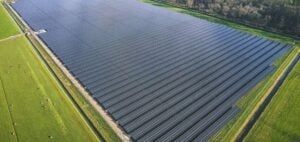
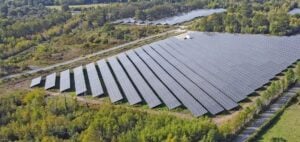
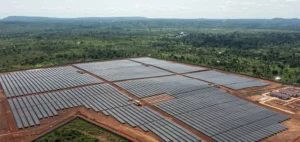
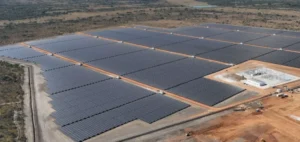
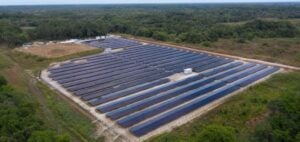
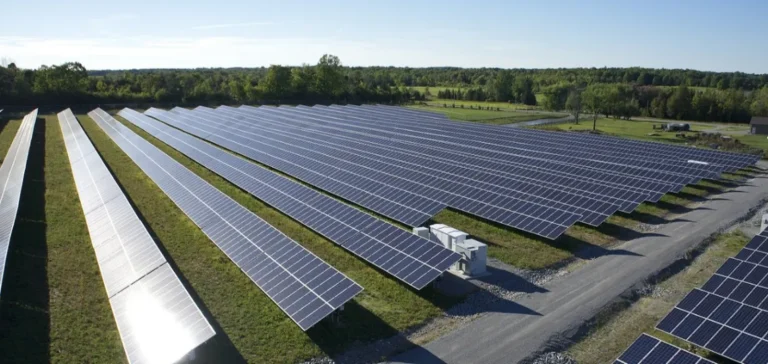
Tokyo-based real estate developer Mori Building has completed the construction of three hybrid solar power plants in the Tokyo TSO service area. These facilities, combining 7.2MWDC of generation capacity with 11MWh of storage, will operate under an intra-group Power Purchase Agreement (PPA) structured by TEPCO Energy Partner, a subsidiary of Tokyo Electric Power Company.

An internal partnership model for energy supply

The plants are located in Tochigi Prefecture for one site, and in Hitachi City, Ibaraki Prefecture for the other two. Commissioning is scheduled to begin in phases from January 2026. Once fully operational, the plants are expected to generate approximately 10GWh annually. The electricity produced will be delivered to buildings operated by Mori Building, including the Toranomon Hills Mori Tower, via a sleeved supply mechanism managed by TEPCO Energy Partner. Additional renewable power from other sources under contract will also be included.

Turnkey contract awarded to Ecokaku

The development and construction were carried out by Japanese firm Ecokaku under a turnkey Engineering, Procurement and Construction (EPC) contract worth approximately JPY2bn ($13.2mn). These projects are designed for direct internal use by Mori Building, bypassing wholesale markets through a structured energy partnership between group entities.

Previous agrivoltaic project collaboration

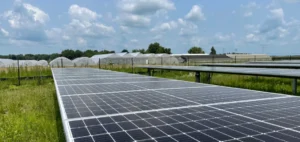
Mori Building had previously partnered with Ecokaku on the construction of six agrivoltaic solar power plants, with a combined capacity of 12MWDC, also located in the Tokyo TSO area. These units were similarly integrated into an intra-group PPA framework, reflecting a sustained collaboration between the two companies.

Developed outside public subsidy regimes

Unlike the majority of hybrid projects in Japan—often retrofits of existing assets under the Feed-in Tariff (FIT) scheme and converted to the Feed-in Premium (FIP) system—these three facilities were purpose-built for independent operation without subsidies. This approach reflects a trend toward direct structuring of energy partnerships within corporate groups.


Solarpro commissions Hungary’s largest photovoltaic plant using 700,000 advanced modules supplied by LONGi, with an expected annual output of 470 GWh.
UK-based manufacturer Awendio Solaris plans to build a 2.5 GW solar industrial platform, expandable to 5 GW, in Quebec, targeting North American markets with a 100% regional supply chain.
Technique Solaire has secured €40mn ($43.5mn) in junior debt from BNP Paribas Asset Management to structure two solar portfolios totalling 392 MWp across France, Spain and the Netherlands.
EDF Power Solutions UK has appointed METLEN to lead engineering and construction for the 400MW Longfield solar farm in Essex, with commissioning scheduled for 2030.
Independent power producer Neoen has secured six agrivoltaic projects totalling 124 MWp, reinforcing its position as the leading winner in French solar tenders since 2021.
As the photovoltaic industry enters a phase of deep restructuring, the duel between TOPCon 4.0 and heterojunction technologies is redefining manufacturers’ margins. In 2026, reducing production costs becomes the primary strategic lever for global market leaders.
JA Solar and Trinasolar top Wood Mackenzie’s latest semiannual ranking despite a sector-wide net loss of $2.2 billion. Industrial leaders are strengthening their grip on global photovoltaic module supply through rigorous financial discipline.
BayWa r.e. has finalised the sale of a 46 MW floating solar park, the country’s largest, to a Dutch public-local consortium, marking a new step in the decentralised structuring of the solar market in the Netherlands.
The ATUM Solar industrial complex, located in Ain Sokhna, will include three factories—two of 2 GW capacity—backed by a $220mn investment from an international consortium.
AMEA Power has completed the commercial commissioning of a 120 MWp solar project in Kairouan, marking a national first in Tunisia for a renewable energy installation of this scale.
The Gerus plant becomes the first solar installation in Namibia to sell electricity directly on the Southern African Power Pool regional market.
Japanese conglomerate Tokyu teams up with Global Infrastructure Management and Clean Energy Connect to build 800 low-voltage solar plants totalling 70MWDC, under an off-site power purchase agreement for its facilities.
T1 Energy has begun construction of a solar cell facility in Milam County, Texas, representing an investment of up to $425mn, aimed at strengthening U.S. industrial autonomy in the photovoltaic supply chain.
Voltalia has started building a 43-megawatt hybrid plant in Sainte-Anne, combining solar, battery storage and bioenergy to meet growing electricity demand in western French Guiana.
Masdar’s exit ends ReNew Energy's privatisation attempt, despite offer rising to $8.15 per share.
California surpassed 52.3% of electricity from renewables and large hydro in 2024, marking a major energy milestone while increasing pressure on storage, permitting and curtailed production.
European Energy France has secured two wins in tenders issued by the French Energy Regulatory Commission for its agrivoltaic parks in Saint-Voir, with a combined capacity of 14.3 MWp and commissioning expected by late 2027.
TotalEnergies will supply Google with 1TWh of renewable electricity from a 20MW solar plant in Malaysia under a 21-year power purchase agreement.
Enviromena secured approval for its Fillongley solar farm after a local council’s refusal was overturned, despite conflicts of interest tied to public funds used to oppose the project.
According to Wood Mackenzie, the global solar inverter market will face two consecutive years of contraction after record shipments in 2024, driven by regulatory tensions in China, Europe and the United States.

All the latest energy news, all the time

Annual subscription

8.25$/month*

*billed annually at 99$/year for the first year then 149,00$/year ​

Unlimited access - Archives included - Pro invoice

Monthly subscription

Unlimited access • Archives included

5.2$/month*
then 14.90$ per month thereafter

*Prices shown are exclusive of VAT, which may vary according to your location or professional status.

Since 2021: 30,000 articles - +150 analyses/week.