European Union struggles to agree on new Russian oil price cap
Talks between European Union member states stall on the adoption of the eighteenth sanctions package targeting Russian oil, due to ongoing disagreements over the proposed price ceiling.
| Countries | Chypre, Malte, Russie, Slovaquie |
|---|---|
| Companies | Union Européenne, Commission européenne |
| Sector | Pétrole |
| Theme | Politique & Géopolitique, Sanctions |
The European Union (EU) has not reached a consensus on the introduction of a new price cap for oil exported by the Russian Federation. The proposal, discussed among the foreign ministers of member states in Brussels, stands at the centre of the eighteenth round of sanctions considered against Moscow since the start of the conflict in Ukraine, Connaissance des Énergies with Agence France-Presse (AFP) reported on July 15.
Slovak veto delays agreement
Slovak Prime Minister Robert Fico has publicly confirmed that Slovakia maintains its opposition to the current proposal, despite guarantees provided by the European Commission. This position aims to secure additional commitments from Brussels regarding the country’s gas supply, as the EU pursues its strategy to gradually phase out imports of Russian gas by 2027.
Kaja Kallas, head of European diplomacy, said that the European Commission had already met Slovak requirements, putting the responsibility for the outcome of negotiations in the hands of the Slovak government. Other countries, including Cyprus and Malta, have also voiced concerns, mainly related to potential impacts on their merchant fleets should additional restrictions be implemented.
Challenges on the international oil market
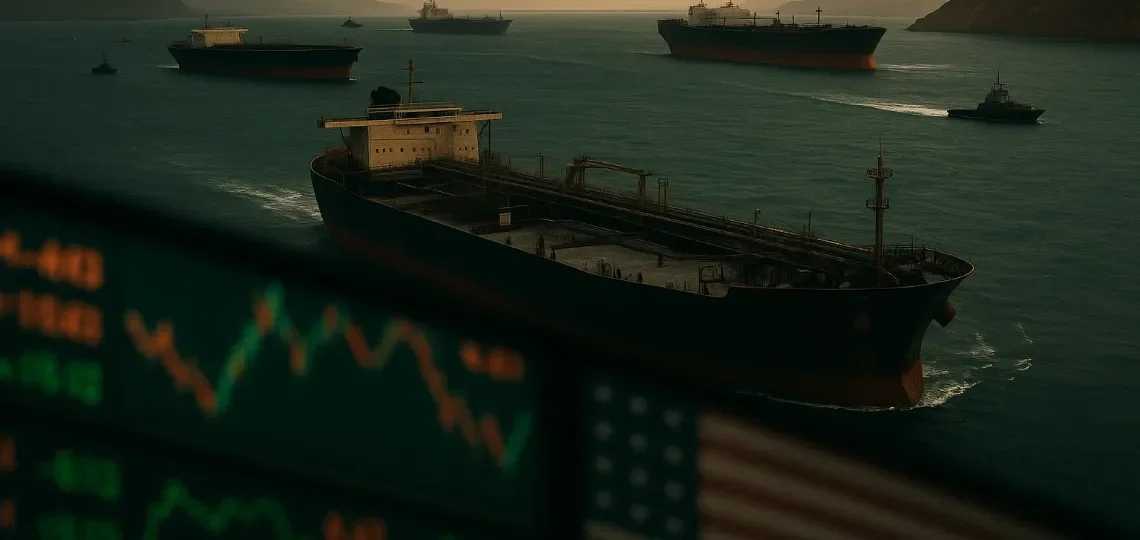
The current price cap on Russian oil, set at $60 per barrel in coordination with Group of Seven (G7) countries, is contested by the European Commission, which is proposing to lower it to $45. Several member states remain hesitant to support this measure, citing the potential effect on maritime transport and the competitiveness of their sector.
In response to these differences, the European Commission has proposed a flexible mechanism that would allow for adjustments to the cap according to changes in the international crude market. Meanwhile, talks are ongoing with the United States, which has not, at this stage, supported lowering the threshold beyond the G7 agreement.
Impact of sanctions and Russian adaptation
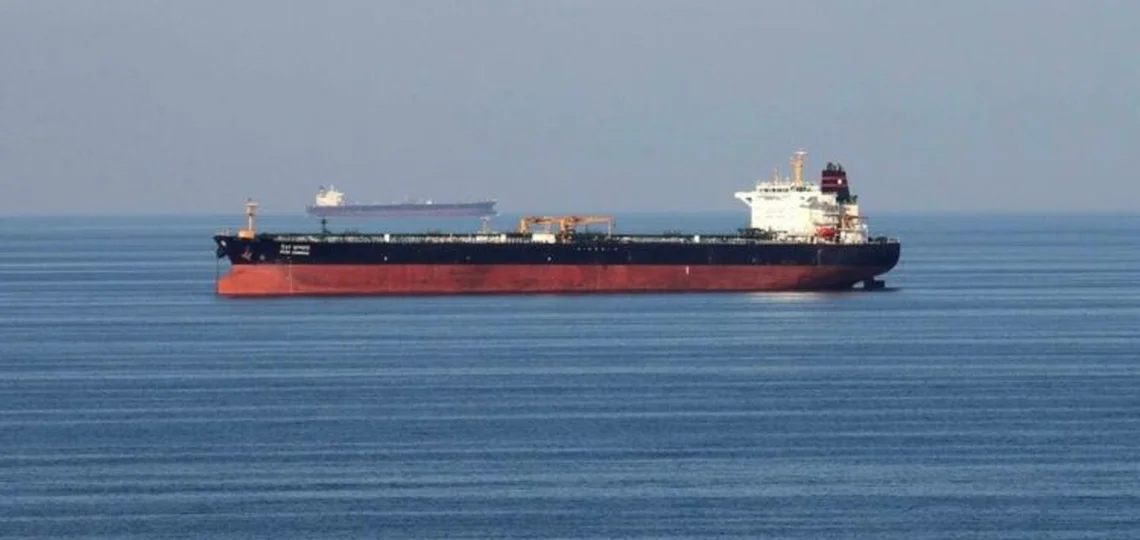
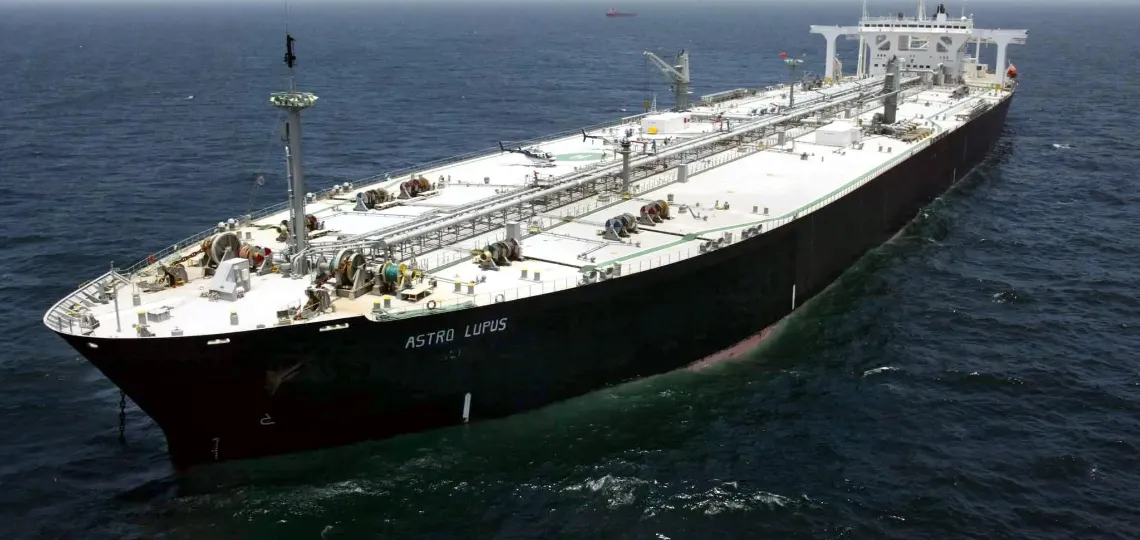
Since the introduction of the $60 price cap, the Russian Federation has seen its oil revenues fall by 30%, according to statements by Kaja Kallas. These revenues remain vital to financing the war effort. However, Russia has developed a parallel, so-called “shadow” fleet, estimated at more than 500 oil tankers, to continue transporting crude to international markets despite Western restrictions.
As part of this new package of sanctions, the EU plans to expand its blacklist, which currently includes 342 vessels, by adding 70 new tankers identified as operating outside official regulations. This measure aims to further complicate Russia’s ability to circumvent sanctions, as discussions continue among European partners in pursuit of a final agreement.