Japan set to vote on partial restart of Kashiwazaki-Kariwa nuclear plant

The Niigata regional assembly is deliberating on restarting unit 6 of the world’s largest nuclear plant, thirteen years after operations ceased following the Fukushima disaster.
Share:

Comprehensive energy news coverage, updated nonstop

Annual subscription

8.25$/month*

*billed annually at 99$/year for the first year then 149,00$/year ​

Unlimited access • Archives included • Professional invoice

OTHER ACCESS OPTIONS

Monthly subscription

Unlimited access • Archives included

5.2$/month*
then 14.90$ per month thereafter

FREE ACCOUNT

3 articles offered per month

FREE

*Prices are excluding VAT, which may vary depending on your location or professional status

Since 2021: 35,000 articles • 150+ analyses per week

The regional assembly of Niigata Prefecture has begun discussions on the partial restart of the Kashiwazaki-Kariwa nuclear power plant, operated by Tokyo Electric Power Company (Tepco). The unit in question is reactor number 6, with a capacity of 1,356 megawatts. A decision is expected by December 22 and would mark a significant step for Tepco, which has not restarted any nuclear unit since the Fukushima incident in 2011.

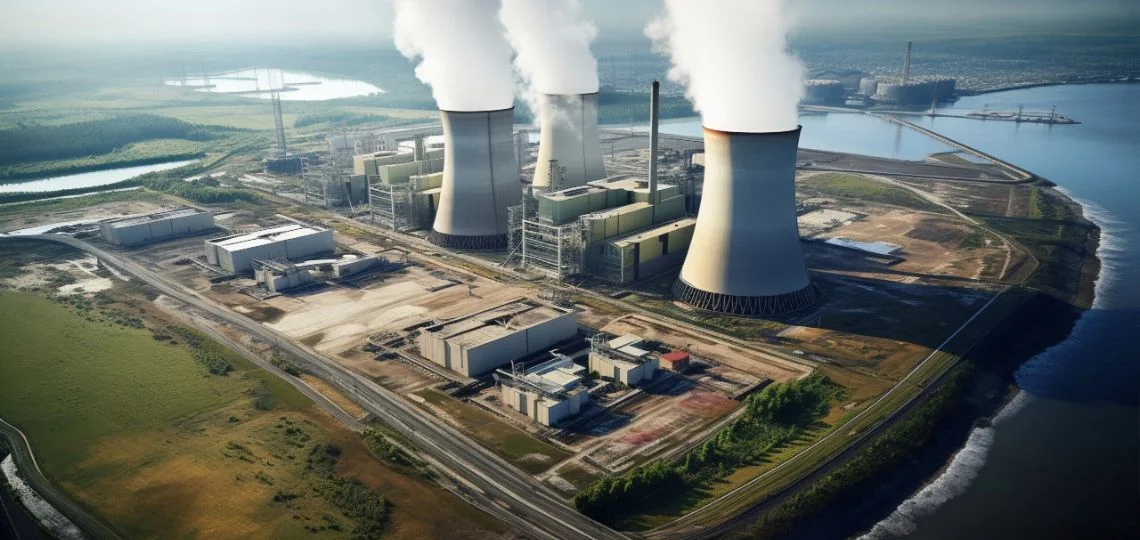
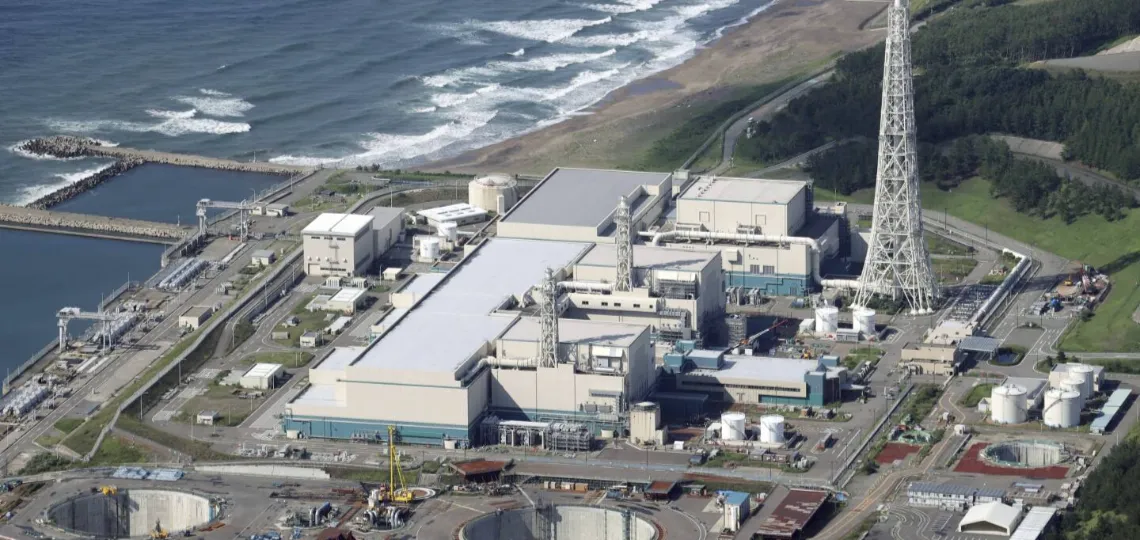
Located on the Sea of Japan coast, around 300 kilometres northeast of Tokyo, Kashiwazaki-Kariwa remains the largest nuclear power plant in the world by installed capacity. The entire site was shut down following the earthquake and tsunami that caused multiple core meltdowns at Fukushima Daiichi, also operated by Tepco.

A strategic energy lever for the country

The nuclear relaunch is aligned with Japan’s priority to reinforce national energy security. The country, which has limited natural resources, remains heavily dependent on fossil fuel imports, which account for 60% to 70% of its electricity generation. Prime Minister Sanae Takaichi has repeatedly voiced support for the gradual reactivation of existing nuclear facilities.

Tepco has initiated several measures to convince local and national authorities of the reliability of its upgraded safety standards. Evacuation drills, emergency simulations and containment demonstrations have been conducted on-site. During a recent visit for members of the Japan Business Federation, Tepco President Tomiaki Kobayakawa stated that “nuclear energy remains essential for Japan.”

Ongoing concerns at the local level

Despite technical assurances, local officials such as Yukihiko Hoshino, a member of the Kashiwazaki city assembly, expressed concern. He pointed out that some residents in the Fukushima region still cannot return to their homes more than a decade after the disaster. The area’s evacuation capabilities in case of emergency remain a primary issue.

The exact timing of the vote within the regional assembly is still unclear. If approved, Tepco plans to restart unit 6 in January, with unit 7 possibly following. The utility also mentioned the potential decommissioning of the remaining five units on the site.

An evolving electricity market

According to Japan’s Ministry of Industry, restarting unit 6 would increase available capacity for the Tokyo area by 2%, where electricity demand is rebounding. Growth is driven in part by new data centre developments and expanding artificial intelligence applications, which add load to the grid.

Currently, 14 of the 33 nuclear reactors still deemed operable in Japan have resumed operations. The outcome at Kashiwazaki-Kariwa could signal broader momentum for nuclear restarts in a context of projected increases in electricity consumption.


The Indian government aims to amend legislation to allow private companies to participate in civil nuclear development, a move positioned as critical to achieving the country’s long-term energy targets.
The VVER-1200 nuclear reactor at Xudabao 4 in China has completed installation of its final passive water tank, marking the end of modular construction for the second phase of the project.
Ottawa and Edmonton commit to a nuclear production roadmap by 2050, through a memorandum of understanding also covering carbon capture and an Indigenous-led pipeline project.
Niamey asserts control over its uranium resources by authorising open market sales of Somaïr’s production, formerly operated by France’s Orano, amid ongoing legal disputes.
Equinix has signed a strategic agreement with French start-up Stellaria to reserve 500 MWe of advanced nuclear capacity to power its future European AI data centres starting in 2035.
Bishkek plans to host a RITM-200N small modular reactor supplied by Rosatom to address electricity shortages and deepen energy ties with Moscow, despite the risks posed by Western sanctions.
The Niigata prefectural assembly will vote on the restart of Unit 6, potentially marking TEPCO’s first reactor relaunch since the 2011 Fukushima disaster.
The Norwegian government has initiated a consultation with neighbouring countries on its modular nuclear power plant project in Aure and Heim, in accordance with the Espoo Convention.
Türkiye and South Korea have signed a memorandum of understanding to jointly explore nuclear power plant projects, marking a strategic step in the long-term development of Türkiye's energy infrastructure.
Asian Development Bank has amended its energy policy to enable funding for civil nuclear projects in developing member countries across the Asia-Pacific region.
First Hydrogen begins research with the University of Alberta to identify molten-salt mixtures simulating nuclear fuels for SMR prototypes.
Framatome has completed the manufacturing of the first nuclear fuel assemblies for the Barakah power plant, marking a key milestone in the supply agreement signed with Emirates Nuclear Energy Company in July.
A government-commissioned report proposes 47 measures to simplify nuclear regulation, reduce decommissioning costs and accelerate delivery of civilian and military projects.
The Hualong One reactor at Zhangzhou nuclear power plant has been connected to the grid, marking a major milestone in the expansion of China’s civilian nuclear programme.
Russian state nuclear group Rosatom has validated the additive manufacturing of parts for its small modular reactors, marking an industrial first for RITM-200 SMR plant equipment.
California-based Maritime Fusion, backed by Y Combinator and Trucks VC, is betting on a decentralised approach to fusion to target maritime and off-grid applications.
Bayridge Resources secures a majority stake in an advanced uranium project in Canada, strengthening its strategic presence in a geologically promising region.
A significant volume of concrete from the dismantling of the Sizewell A nuclear power plant is being transferred to support the foundations of the Sizewell C project, under a partnership between UK nuclear sector stakeholders.
Korean group KEPCO and UAE-based ENEC have signed two memorandums of understanding to expand their cooperation in civil nuclear energy, artificial intelligence, and digital technologies targeting new international markets.
The Janus programme will deploy micro nuclear power plants across nine military bases to reinforce energy autonomy for critical U.S. Army installations.

All the latest energy news, all the time

Annual subscription

8.25$/month*

*billed annually at 99$/year for the first year then 149,00$/year ​

Unlimited access - Archives included - Pro invoice

Monthly subscription

Unlimited access • Archives included

5.2$/month*
then 14.90$ per month thereafter

*Prices shown are exclusive of VAT, which may vary according to your location or professional status.

Since 2021: 30,000 articles - +150 analyses/week.