Indonesia launches two offshore projects to strengthen energy independence
Two new oil and gas sites in the Natuna Sea are expected to produce 20,000 barrels of oil and 60 million cubic metres of gas per day.
| Sectors | Gas, Natural Gas |
|---|---|
| Themes | Investments & Transactions, Public Investment |
| Countries | Indonesia |
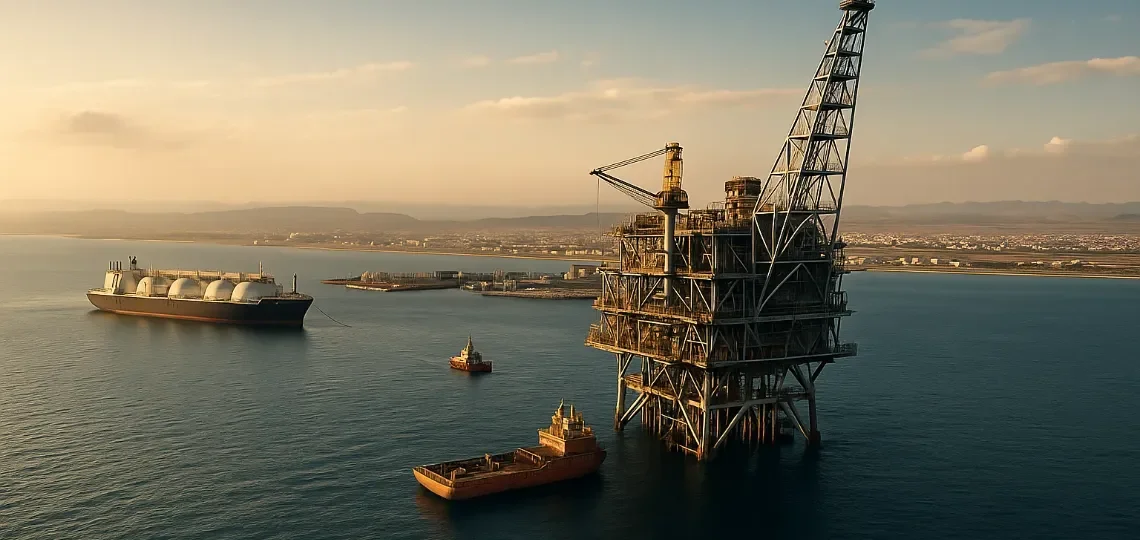
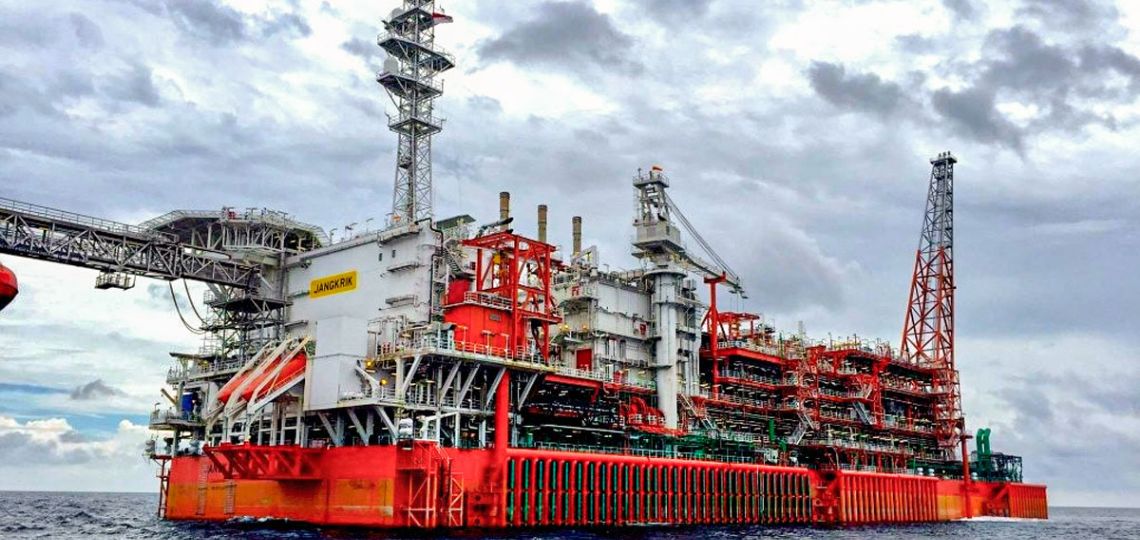
The President of the Republic of Indonesia, Prabowo Subianto, has inaugurated two offshore oil and gas projects in the Natuna Sea, off the coast of the Riau Islands province. The projects, Forel and Terubuk, have been developed as part of a strategy to support national energy security through public investment in natural resources.
These facilities, operated by Indonesian company Medco Energi Internasional, are expected to produce 20,000 barrels of oil and 60 million cubic metres of gas daily. The output aims to reduce the country’s dependence on imports and minimise the impact of international market fluctuations on the national economy.
Projects funded with a sovereignty approach
The Indonesian government regards these projects as a key step towards achieving energy self-sufficiency. During the inauguration, Prabowo Subianto described the initiative as a “historic milestone” that “will save the country tens of billions of dollars”, according to Connaissance des Énergies on May 16. The government’s energy strategy relies on increased mobilisation of public funds to revive national production, particularly in high-potential offshore areas.
The development of the Forel and Terubuk projects comes as domestic energy consumption continues to grow in Southeast Asia’s largest economy. Public investment in the oil and gas sector remains substantial, especially in strategic zones such as the Natuna basin.
Expected impact on the energy balance
The Natuna basin is one of the country’s most significant offshore reserves, already connected to several regional infrastructures. The development of Forel and Terubuk enhances Medco Energi Internasional’s capacity to meet domestic demand while ensuring returns to the state through royalties and production-sharing contracts.
These projects are also part of a broader energy programme, which includes a target of 75 gigawatts of renewable energy capacity by 2040. The government is thus combining short-term public investments in fossil resources with the medium-term development of new capacities.