India invests $77 billion in large-scale hydroelectric plan amid China tensions
New Delhi plans to allocate INR6.4tn ($77bn) to develop transmission infrastructure for 76 GW of electricity from the Brahmaputra Basin by 2047, amid growing cross-border pressures.
| Sectors | Marine & Hydraulic Energy, Hydroelectricity |
|---|---|
| Themes | Investments & Transactions, Public Investment |
| Countries | Bangladesh, China, India |
India has announced a major public investment programme to strengthen electricity transmission capacity from the Brahmaputra Basin. The Central Electricity Authority (CEA), the country’s power planning agency, released a report detailing a INR6.4tn ($77bn) plan to support the evacuation of more than 76 GW of hydroelectric capacity by 2047.
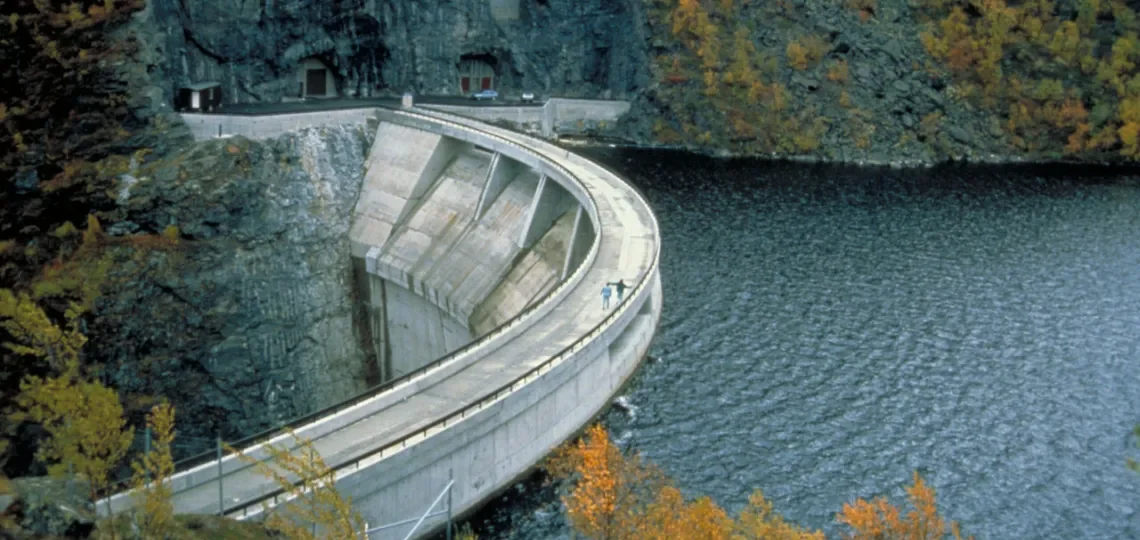
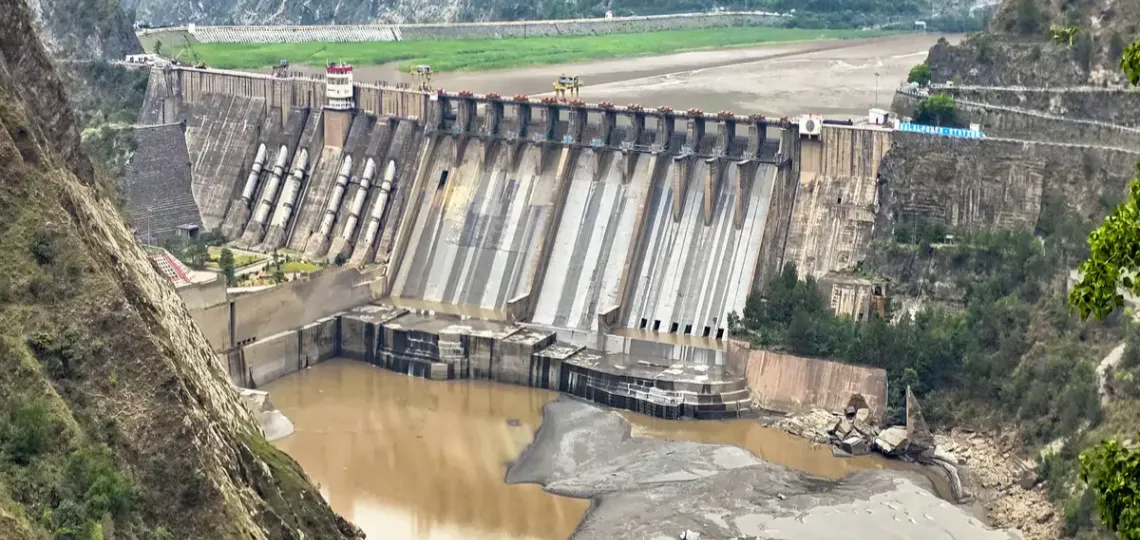
The project covers 208 dams across twelve sub-basins in the northeastern states. According to the CEA, the capacity includes 64.9 GW from conventional hydroelectric plants and 11 GW from pumped storage facilities. The border state of Arunachal Pradesh alone holds nearly two-thirds of the basin’s exploitable potential.
A project with major strategic implications
The Brahmaputra Basin crosses sensitive areas along the Sino-Indian border, particularly Arunachal Pradesh, where China disputes India’s sovereignty. The upstream construction of a Chinese dam on the Yarlung Zangbo, the Tibetan name for the Brahmaputra, has heightened concerns in New Delhi over a possible reduction in dry-season river flows.
The plan presented by the CEA comes in this strategic context. The Indian government aims to accelerate the development of its own infrastructure to secure its water and electricity resources. The basin also covers the states of Assam, Sikkim, Meghalaya and Manipur.
Two investment phases through 2047
The transmission programme is structured in two phases. The first, scheduled through 2035, will require INR1.91tn ($23.3bn). The second, planned between 2035 and 2047, will involve INR4.52tn ($55.3bn). The objective is to efficiently connect remote eastern production sites with major consumption centres in the west and south.
Some projects are already underway, led by public operators NHPC Limited (National Hydroelectric Power Corporation), NEEPCO (North Eastern Electric Power Corporation) and SJVN Limited, responsible for developing and managing hydroelectric plants.
Strengthening electricity transmission infrastructure
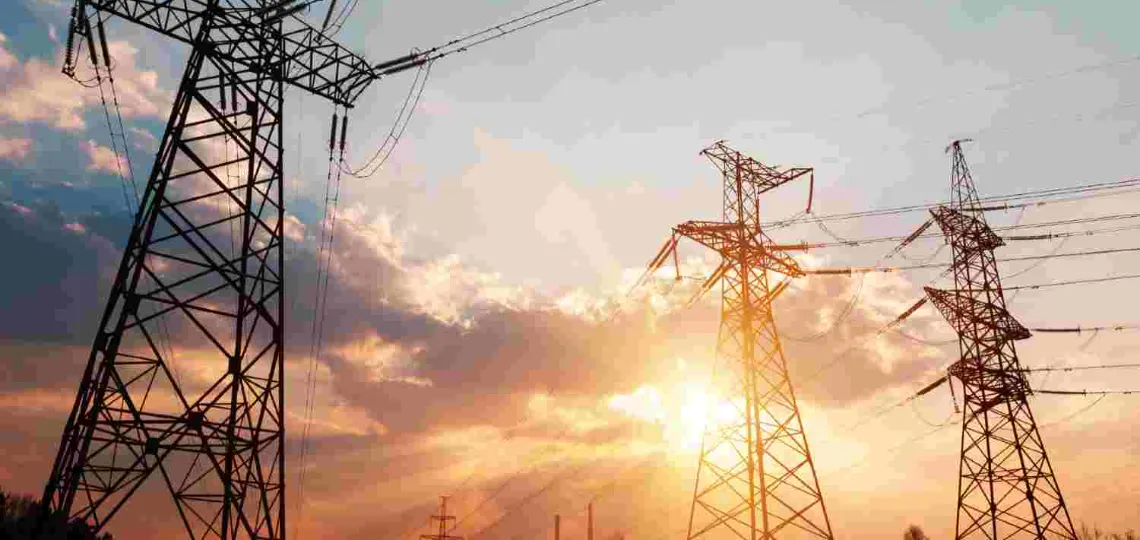
The plan includes the construction of high-voltage corridors capable of transporting electricity over thousands of kilometres. These infrastructures are considered critical to meet rising demand while reducing reliance on other energy sources.
The strategy reflects a broader effort to maximise domestic resource utilisation amid geopolitical pressures. The CEA stated that the projects will stabilise the national grid and ensure better regional balance between production and consumption.