Guinea-Bissau connects to the sub-regional power grid to strengthen its supply
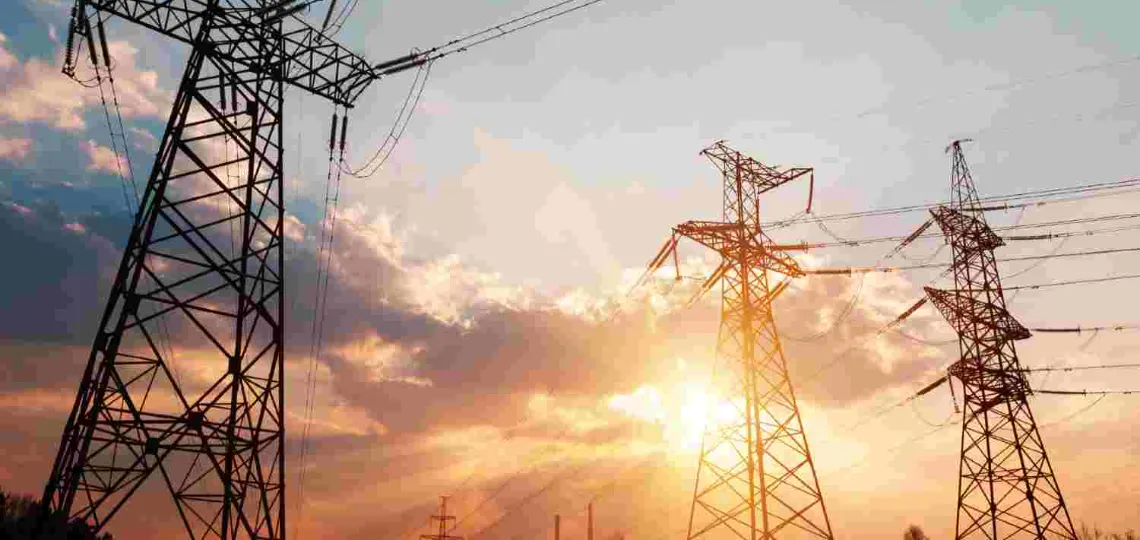
Guinea-Bissau has completed its connection to the sub-regional power grid linking Senegal, The Gambia and Guinea, thereby improving the stability of its capital’s electricity supply.
| Sectors | Marine & Hydraulic Energy, Power Grids, Hydroelectricity |
|---|---|
| Themes | Policy & Geopolitics, Energy Security |
| Countries | Gambia, The, Guinea, Guinea-Bissau, Senegal |
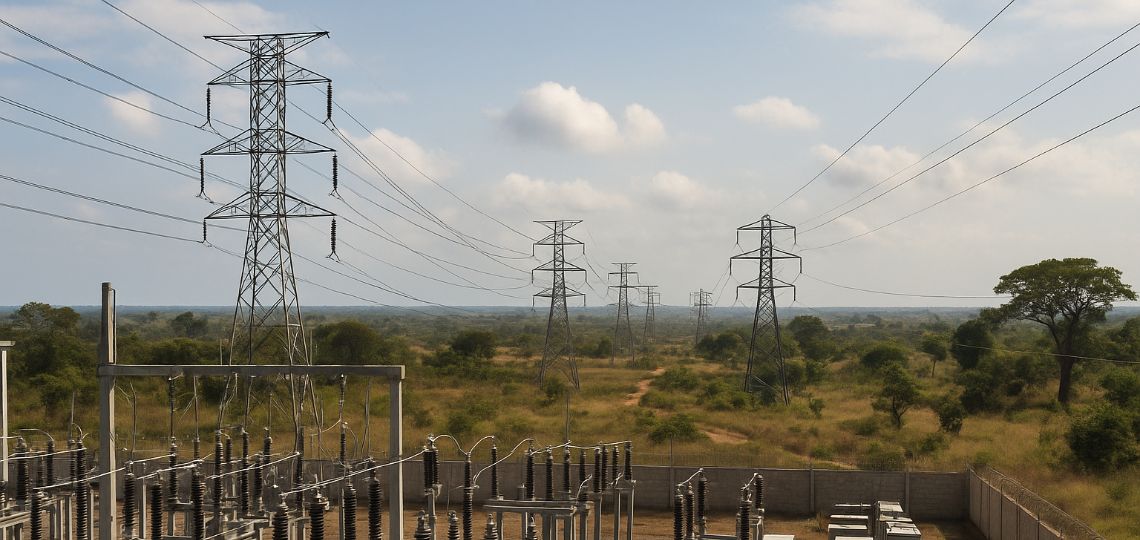
Guinea-Bissau is now integrated into the sub-regional electricity network, shared with Senegal, The Gambia and Guinea, as part of an initiative led by the Organisation pour la mise en valeur du fleuve Gambie (OMVG). This project aims to provide a more reliable energy supply for Bissau, where power outages are frequent.
Support provided by the Kaléta hydroelectric power plant
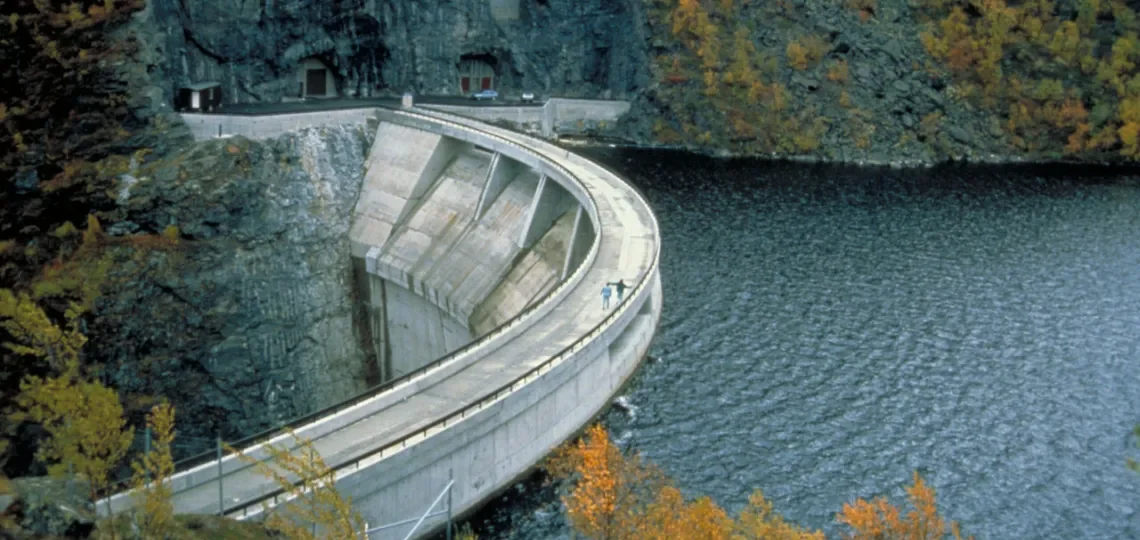
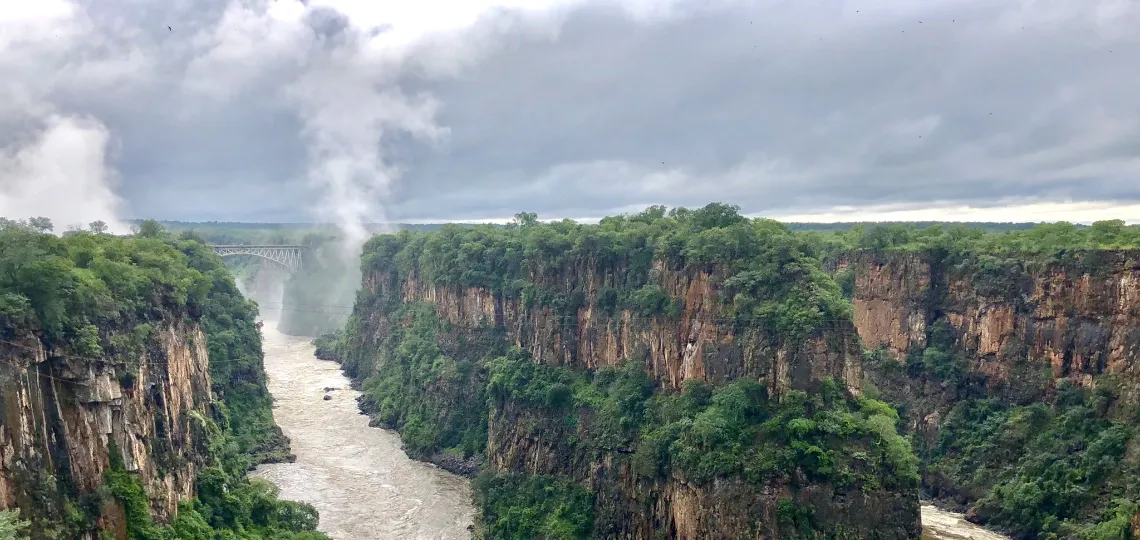
The interconnection mainly relies on the Kaléta hydroelectric power plant, built in Guinea and inaugurated in 2015. With an installed capacity of 240 megawatts (MW), its output drops to 30 MW during the dry season according to experts. Senegal and The Gambia are already connected to this infrastructure. Guinea-Bissau will now be able to receive up to 80 MW to supply its capital and surrounding areas.
During the inauguration ceremony, Bissau-Guinean President Umaro Sissoco Embalo hailed this achievement, alongside his Gambian counterpart Adama Barrow. Senegal and Guinea were represented by their Ministers of Water Resources.
Immediate impact for Bissau and its suburbs
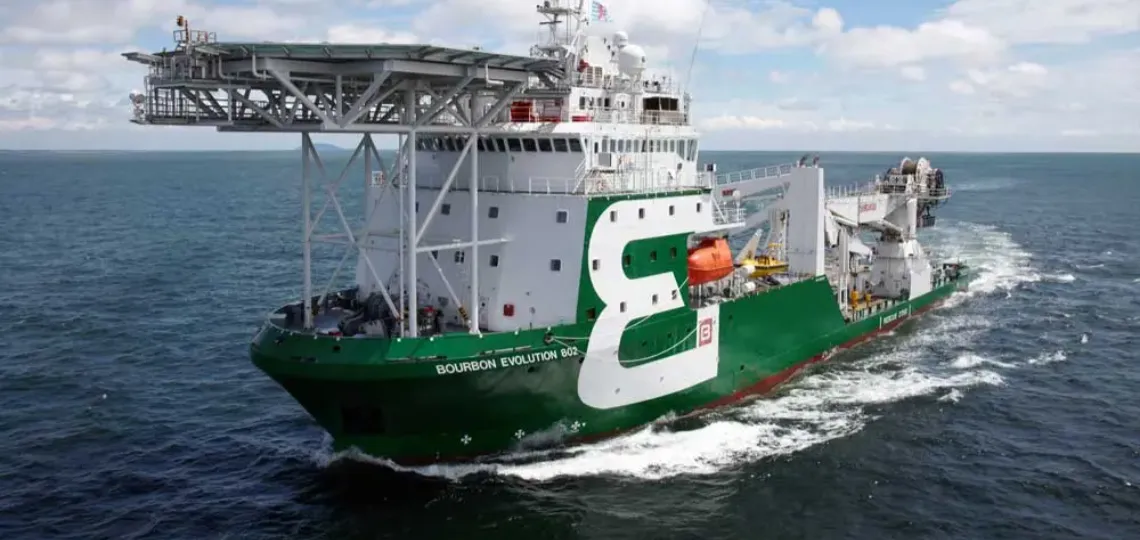
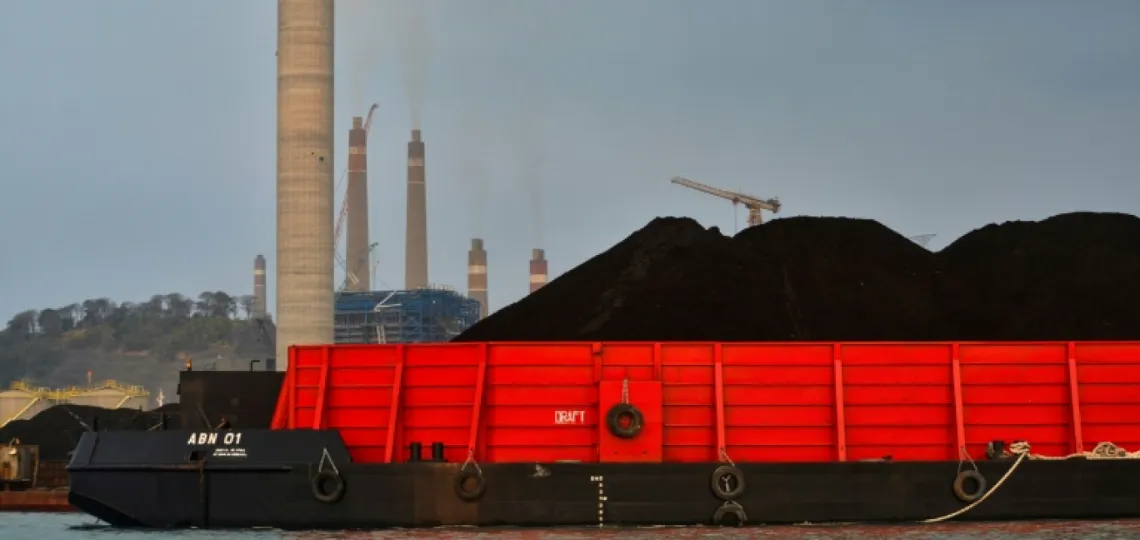
Before the interconnection, Bissau’s energy needs, estimated at 30 MW, were half supplied by a local thermal power plant. The other half came from a Turkish ship that ceased operations in January, in anticipation of the Kaléta connection coming online.
The company Eau et Électricité de Guinée Bissau (EAGB) faced significant financial difficulties, limiting its ability to provide continuous electricity. In the rest of the country, access to the electrical grid remains extremely limited, with Guinea-Bissau remaining one of the least developed countries according to the United Nations Development Programme (UNDP).
Persistent structural challenges
Chronic political instability and poverty have hindered infrastructure development in Guinea-Bissau. The country is also used as a transit point for drug trafficking between Latin America and Europe, according to United Nations assessments.
The commissioning of this regional interconnection is part of a collective effort to strengthen the energy security of OMVG member states and to optimise the use of available hydroelectric resources.