Global investment in the energy transition reached $2.4tn in 2024, a 20% increase compared to the 2022–2023 annual average. Of this amount, $807bn was allocated to renewable energy technologies, setting an all-time high. However, this level of investment did not prevent a sharp slowdown in annual growth, which dropped from 32% in 2023 to 7.3% in 2024.
Photovoltaics lead despite overall deceleration
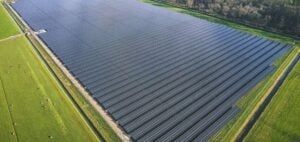
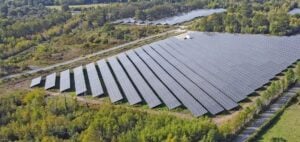
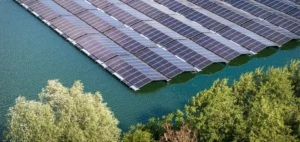
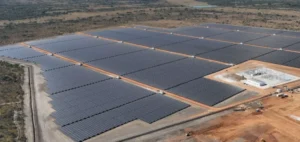
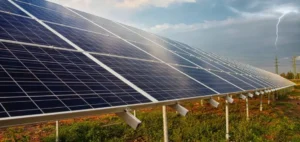
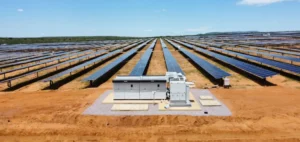
Electricity remains the primary recipient of financial flows in the renewable energy sector, accounting for 96% of total investment. Solar photovoltaic energy leads the segment, with $554bn invested, representing a 49% year-on-year increase. By contrast, other renewable segments, such as wind and hydropower, showed less dynamic performance.
The combined investment in renewables, power grids and battery storage exceeded fossil fuel investment for the first time. However, spending on fossil energy is rising again, showing ongoing competition between energy sectors.
Geographic concentration and financing imbalance
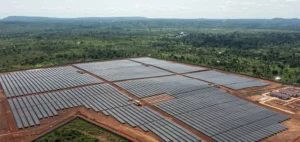
Around 90% of global renewable energy financing remains concentrated in advanced economies and China. Emerging and developing countries continue to face structural barriers, including underdeveloped financial markets, high capital costs and macroeconomic vulnerabilities. These challenges significantly limit their ability to attract large-scale capital for energy transition initiatives.
Nearly half of global investment in 2024 was financed through debt, mostly at market rates. Subsidies and concessional debt—critical for supporting less profitable yet strategic projects—accounted for less than 1% of total funding. This lack of impact capital increases the risk of public debt distress in the most vulnerable economies.
Gradual relocation of manufacturing chains
Between 2018 and 2024, China accounted for 80% of global investment in factories producing solar, wind, battery and hydrogen technologies. However, this dominance is beginning to shift as new manufacturing facilities emerge in other regions, including some developing economies, often through joint ventures and technology transfers.
Total investment in such factories fell by 21% in 2024 to $102bn, largely due to a sharp decline in solar-related spending. In contrast, battery plant investment nearly doubled to $74bn, reflecting rising demand for grid storage, electric vehicles and data centre infrastructure.
Role of partnerships and targeted public policies
The development of industrial capacity in emerging economies will largely depend on attracting foreign partnerships and implementing effective policy frameworks. Diversifying the energy value chain appears strategic to enhance energy security and generate local economic benefits.
Multilateral and bilateral cooperation could play a crucial role in addressing financing gaps and transferring technical know-how. Redirecting public capital towards risk-sharing instruments remains a priority to enable access to private funding in low-income regions.