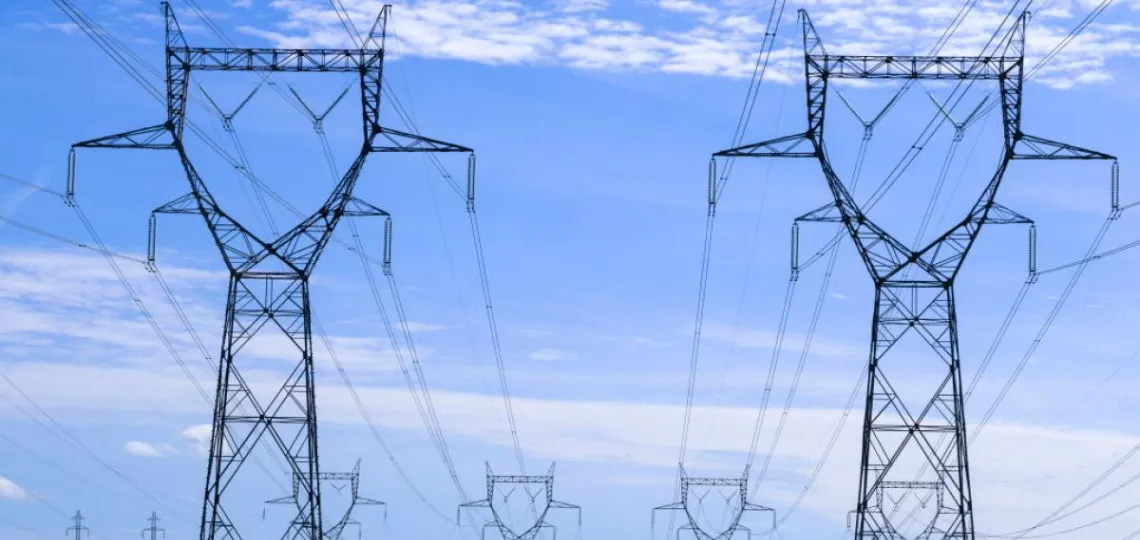
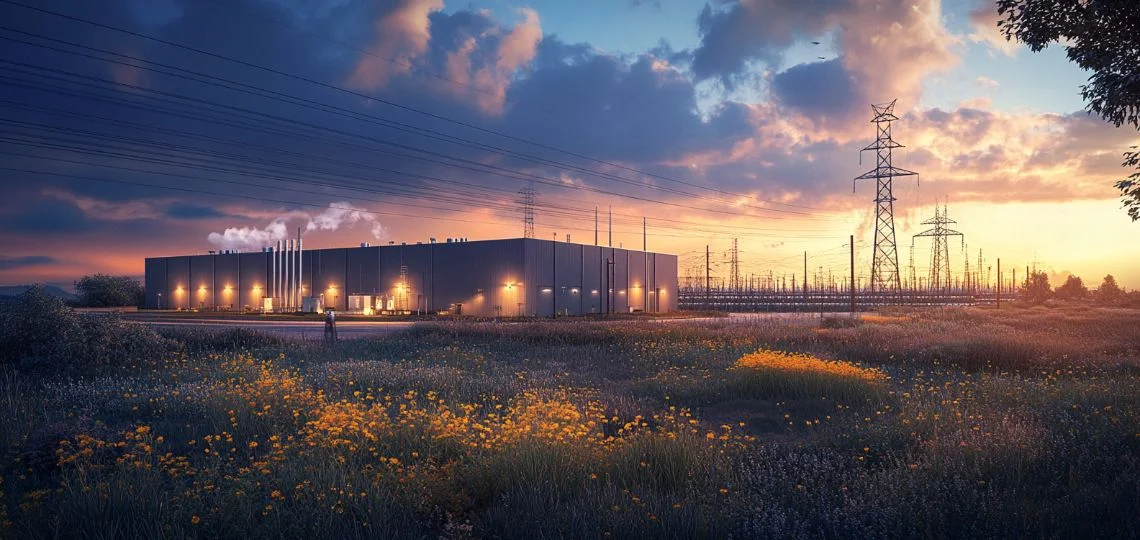
France is preparing a fast-tracked overhaul of its energy roadmap, with a decision expected before Christmas on the new Multiannual Energy Programme (PPE3). This legally binding text must articulate the simultaneous scale-up of nuclear and renewable energy sources while factoring in a declining demand. Grid operator RTE (Réseau de transport d’électricité) warns of a structural overcapacity, driven by the restart of the nuclear fleet, the growth of renewables and post-gas-crisis deindustrialisation.
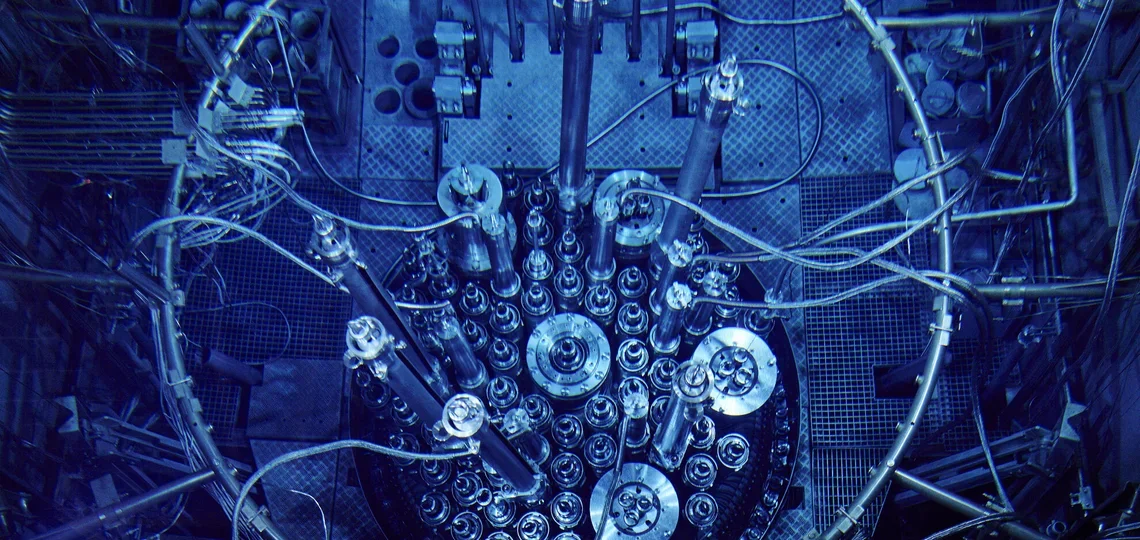
Economic pressure on producers
The current situation creates unprecedented volatility on wholesale markets. In 2025, up to 90% of May days recorded zero or negative hourly prices, weakening investment signals. This pressure weighs on the profitability of Électricité de France (EDF), which must simultaneously fund the extension of its existing fleet and the EPR2 programme, estimated at around €67bn ($72.3bn). Renewable energy producers are also facing increased curtailments and declining market revenue outside peak periods.
Uncertainty for industrials and investors
Electro-intensive industries benefit from low short-term prices, but the lack of visibility on price trajectories and CO₂ taxation is delaying relocation decisions. The government is seeking to align PPE3 with its budgetary constraints and the financial capacity of its public operators. Investors are now factoring into their models a growing risk linked to overcapacity and a potential overhaul of remuneration through contracts for difference (CfD).
PPE becoming a tool for supply-demand balance
The expected content of PPE3 goes beyond capacity planning. It is likely to include electrification targets in key sectors such as mobility, data centres and hydrogen to offset a growing supply surplus. At the same time, the Ministry of Finance is pushing to smooth out investments and prioritise existing assets, while considering revenue recovery mechanisms to fund decarbonisation support schemes.
A political and European signal
With European talks scheduled for 2026, publication of PPE3 also aims to restore France’s credibility on the EU stage. Decisions on volumes, phasing and remuneration schemes will be closely watched in Brussels, especially regarding state aid and green taxonomy. France’s ability to export low-carbon electricity is seen as a strategic asset, particularly in competition with the United States and Nordic countries.