France steps up the pace in geothermal energy and rare metals

France plans to accelerate geothermal and critical minerals projects to meet its carbon neutrality targets by 2050.
Share:

Réformes France géothermie métaux

Comprehensive energy news coverage, updated nonstop

Annual subscription

8.25$/month*

*billed annually at 99$/year for the first year then 149,00$/year ​

Unlimited access • Archives included • Professional invoice

OTHER ACCESS OPTIONS

Monthly subscription

Unlimited access • Archives included

5.2$/month*
then 14.90$ per month thereafter

FREE ACCOUNT

3 articles offered per month

FREE

*Prices are excluding VAT, which may vary depending on your location or professional status

Since 2021: 35,000 articles • 150+ analyses per week

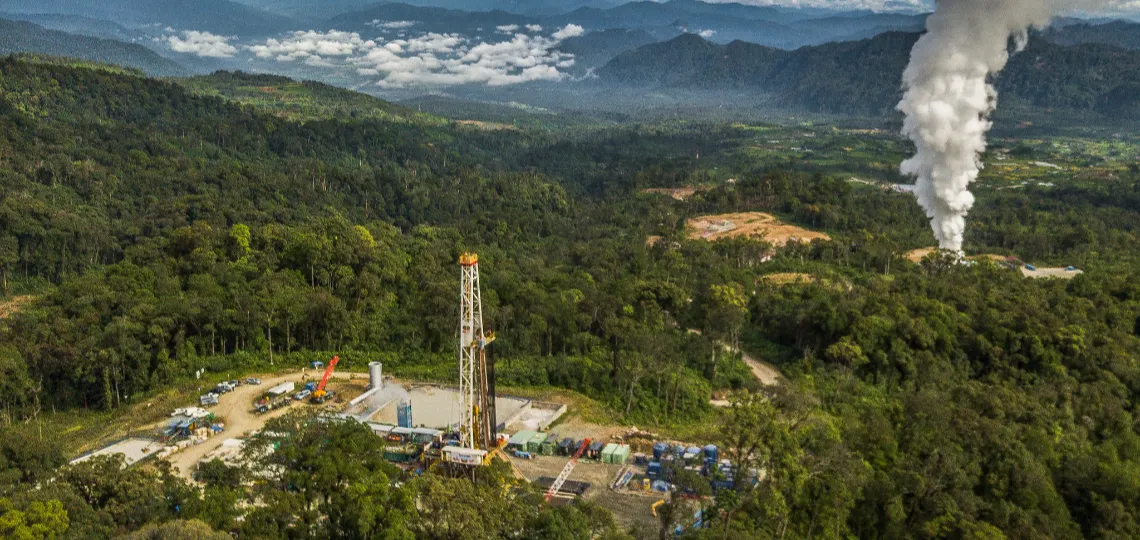
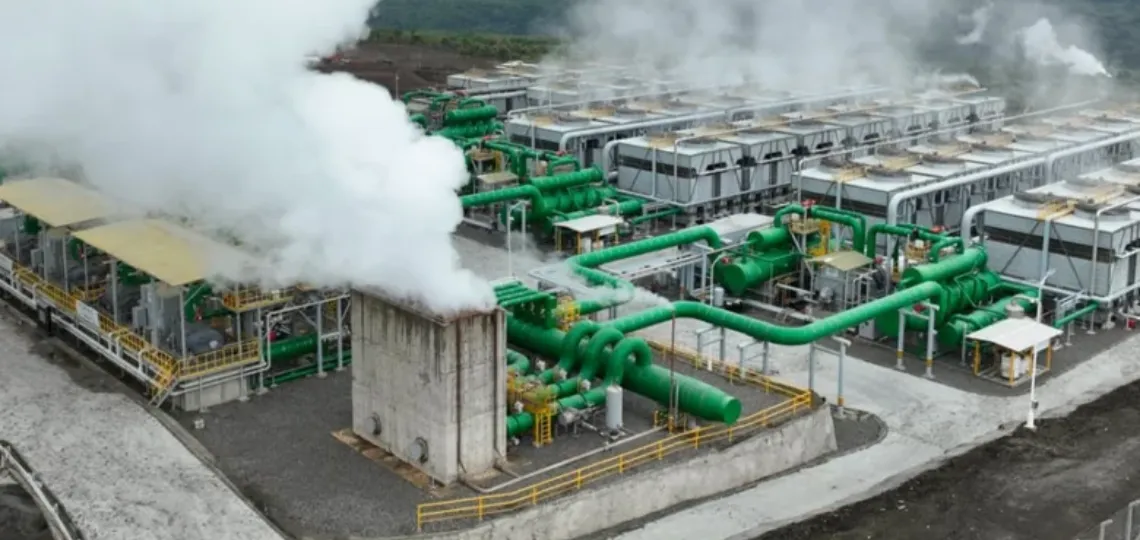
The French government, via the Ministry of the Economy, has announced significant “simplification” measures that would halve permit processing times for geothermal projects and exploration for critical minerals such as lithium and copper. This initiative is part of France’s broader strategy to improve carbon neutrality by exploiting under-utilized natural resources.

Strategic importance of geothermal energy and critical minerals

French Economy Minister Bruno Le Maire stressed the urgency of these developments during a visit to a geothermal power plant project in Villetaneuse. The French Minister for Industry and Energy, Roland Lescure, stressed that geothermal energy, critical metals and carbon storage are essential to a successful decarbonization strategy, highlighting the potential beneath the French soil.

Details of the modernization of mining law

Scheduled to be presented in a “simplification” bill on April 24, these reforms aim to lighten the cumbersome procedures of the current Mining Code, often an obstacle for project initiators. The proposed changes could shorten the exploration phase, from obtaining an exclusive research permit to actual project initiation, by more than six months.

Impact on national and renewable energy projects

These legislative changes should speed up the application process for around fifteen rare metals research permits and ten geothermal projects each year. This initiative is particularly significant given that 90% of the national territory could be viable for geothermal projects, which offer a sustainable and cost-effective energy solution.

Economic and environmental implications

Adjustments in mining regulations are seen as essential to meet growing demand for lithium and copper, crucial to France’s aggressive electrification plans, including the production of batteries for electric vehicles. The government plans to increase geothermal energy production from 2 TWh in 2022 to 6 TWh by 2028.

The French government’s initiative to streamline mining regulations represents a crucial step in using domestic geothermal and mineral resources to support its decarbonization objectives, while balancing ecological concerns with economic needs.
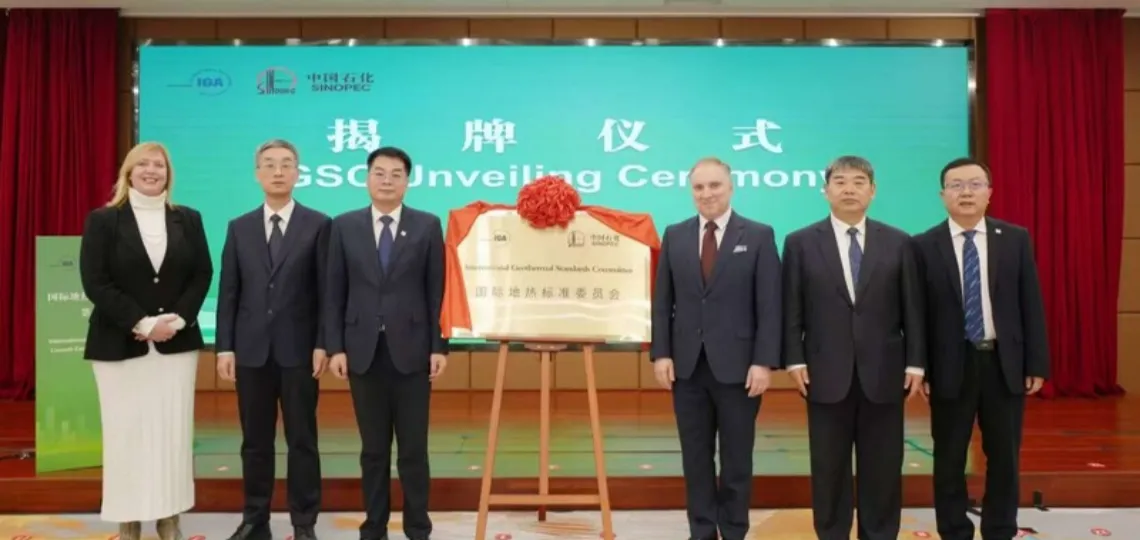
The International Geothermal Standard Committee was launched in Beijing with a permanent secretariat established at Sinopec, marking a major step toward harmonising global geothermal industry standards.
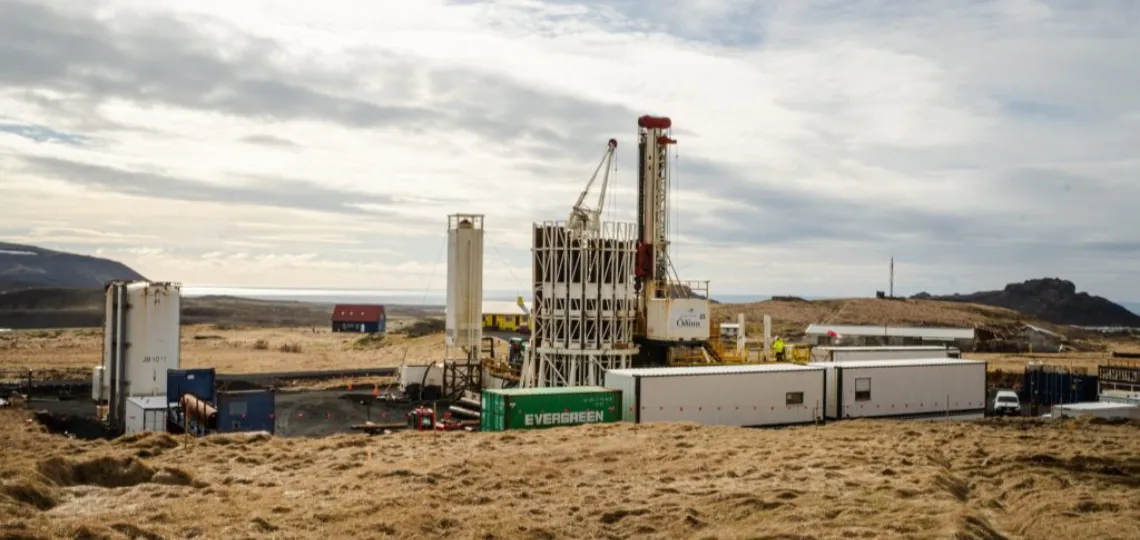
Húsavík Energy launches a drilling campaign to secure its geothermal resource following the shutdown of its main industrial client, aiming to diversify its energy offers and strengthen the appeal of the Bakki site.
The global geothermal market is set to double within a decade, driven by technological advances, stronger regulatory support and growing international funding.
Idex signs a 30-year contract with the Nice Côte d’Azur Metropolis to develop GéotherNice, a heating network using 82% renewable energy and artificial intelligence-based control.
Ethiopia is implementing an ambitious plan to develop geothermal energy and stabilise its electricity supply, with multiple projects underway in the Great Rift Valley and increasing support from international partners.
Thermal Energy International has won two new turnkey projects worth a total of CAD1.5mn ($1.09mn) from a global nutrition group, strengthening a collaboration initiated in 2019.
Ormat Technologies reported a rise in revenue for the third quarter, supported by solid performances in its Product and Storage segments, and revised its 2025 annual guidance upward.
Mazama Energy has completed the creation of the world’s hottest Enhanced Geothermal System, paving the way for low-cost, high-density baseload power aimed at data centres and heavy industry.
Ormat Technologies and SLB join forces to accelerate the development of integrated geothermal systems, including a pilot EGS project at an existing site for large-scale commercial deployment.
With a 9.3% increase in one year, district heating networks cross a historic threshold, while cooling networks continue expanding in response to intensifying heatwaves.
Dalkia and Paris-Vallée de la Marne launch a project to upgrade the GEOVAL network, aiming to deliver 20 GWh annually with 90% decarbonised energy.
State-owned PT SMI financed 65% of the Ijen geothermal plant, recently inaugurated, while continuing social responsibility programmes in East Java province.
The new GeoMap tool identifies vast geothermal potential in the Middle East, notably for urban cooling, long-duration storage, and large-scale power generation.
Clean Energy Technologies and RPG Energy Group completed the installation of an Organic Rankine Cycle heat recovery system at a major industrial site in Tennessee.
German start-up Factor2 Energy has raised $9.1mn in venture capital to develop a geothermal system based on CO₂ injected into porous geological formations, with the goal of building a pilot power plant in Germany.
Start-up Dig Energy has secured $5mn to launch its first pilot projects for compact geothermal drilling, aiming to cut thermal energy production costs in buildings without relying on conventional oilfield rigs.
Baker Hughes joins the development of the second phase of the Hell’s Kitchen project in California, targeting 500 megawatts of geothermal energy to power energy-intensive data centres.
Baker Hughes will supply Fervo Energy with key equipment for five geothermal ORC plants as part of the Cape Station Phase II project in Utah, United States.
A long-term extension secures continuous baseload geothermal power supply to California’s main utilities while strengthening financial visibility in the energy sector.
The inauguration of the Tanawon geothermal site, with a capacity of 22 megawatts, marks a milestone in the expansion of the Philippines’ energy park with local solutions of low carbon footprint.

All the latest energy news, all the time

Annual subscription

8.25$/month*

*billed annually at 99$/year for the first year then 149,00$/year ​

Unlimited access - Archives included - Pro invoice

Monthly subscription

Unlimited access • Archives included

5.2$/month*
then 14.90$ per month thereafter

*Prices shown are exclusive of VAT, which may vary according to your location or professional status.

Since 2021: 30,000 articles - +150 analyses/week.