Fossil fuel divisions block adoption of major UN report
A key scientific report by the United Nations Environment Programme failed to gain state approval due to deep divisions over fossil fuels and other sensitive issues.
| Countries | France, Royaume-Uni, Pays-Bas, Arabie Saoudite, États-Unis |
|---|---|
| Sector | Gaz, Pétrole, Carbone |
| Theme | Politique & Géopolitique |
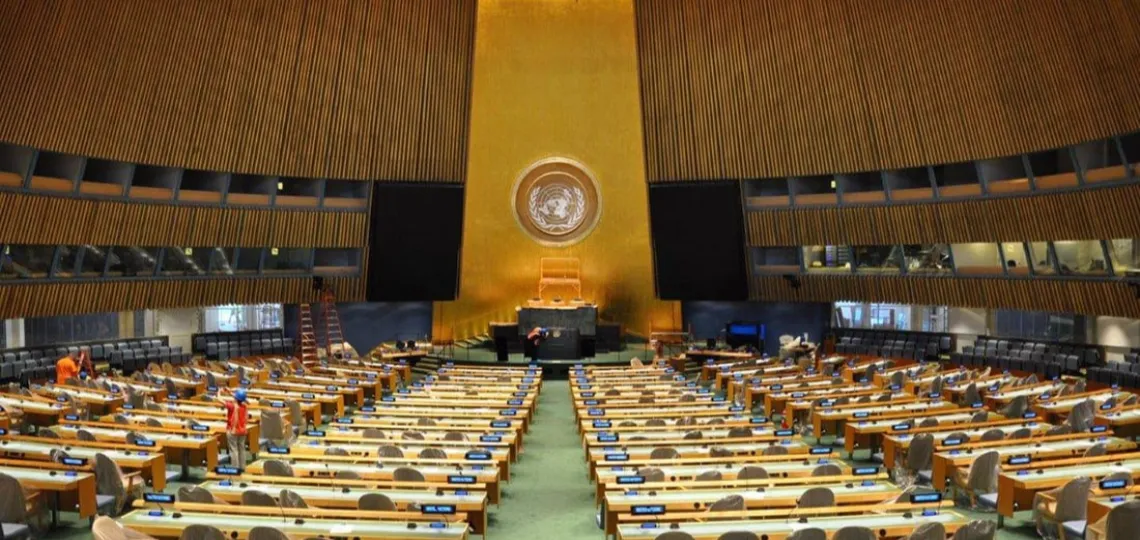
An unprecedented disagreement among governments has prevented the adoption of the policy summary of the 7th Global Environment Outlook report by the United Nations Environment Programme (UNEP), expected to serve as a scientific benchmark on the global environmental situation. It is the first time since 1997 that such a deadlock has occurred, according to the UN body.
Stalemate over fossil fuel references
The negotiations, held between late October and early December, broke down primarily over language referring to the phased exit from fossil fuels. Several hydrocarbon-producing countries, including the United States and Saudi Arabia, opposed the inclusion of such references, arguing they were unacceptable in their current form. Other disagreements emerged on content relating to harmful environmental subsidies and gender-related passages.
A French diplomatic source described the talks as “difficult,” particularly on sections seen as problematic by some countries addressing the so-called “triple crisis”: climate change, biodiversity loss, and pollution. The standard procedure of line-by-line approval for the over 1,000-page summary for policymakers could not be completed.
Concerns over multilateral governance
The rejection of the document raises questions about the ability of international institutions to reach consensus on critical energy-related matters. UNEP Executive Director Inger Andersen acknowledged the scale of the “significant disagreements” but urged that this failure should not set a precedent. The European Union and the United Kingdom issued a joint statement condemning “diversion tactics” without naming specific countries.
This latest setback follows previous blockages, including the lack of progress on a global treaty to limit plastic pollution and stalled talks at the International Maritime Organization (IMO) on decarbonising the shipping sector. The most recent international climate conference, which concluded in November, also failed to produce a roadmap for phasing out fossil fuels.
Key figures and economic outlook
The UNEP report estimates the investments needed to achieve carbon neutrality by 2050 at $8tn per year. It also outlines the projected economic benefits of an energy shift, valued at $20tn annually by 2070, with potential growth reaching $100tn per year thereafter.
These projections were developed by a panel of experts chaired by Robert Watson, who called for a “complete transformation of the global energy system.” He acknowledged that current challenges to multilateralism are slowing the implementation of such transitions.