Energyminer receives approval for floating hydroelectric park on the Rhine
Energyminer begins installation of 124 floating generators on the Rhine in St. Goar, marking the first official permit for a large-scale hydrokinetic park in Germany.
| Sectors | Marine & Hydraulic Energy, Hydroelectricity |
|---|---|
| Themes | Project Development, Announcement |
| Countries | Germany |
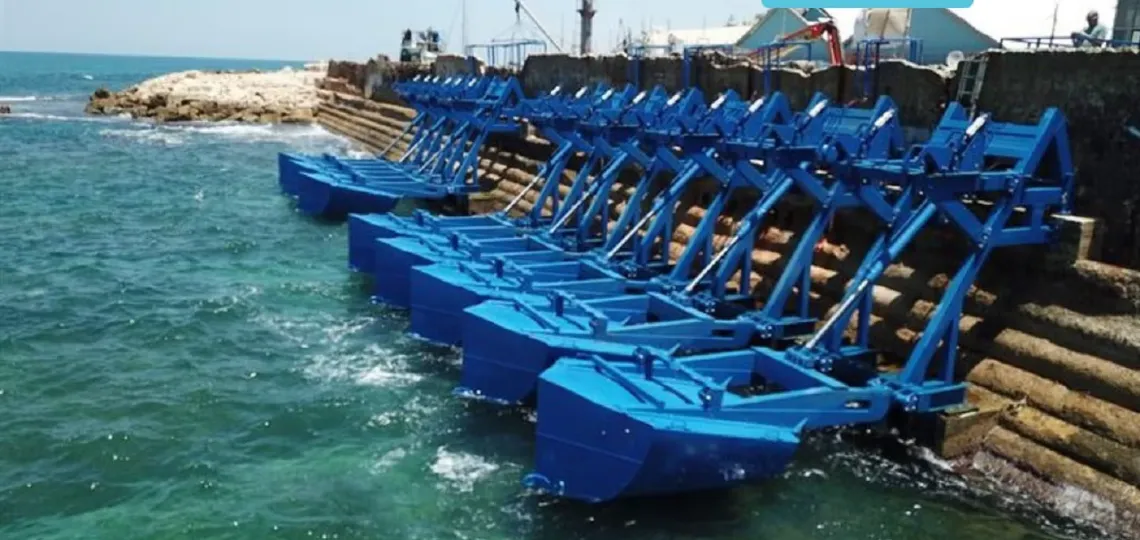
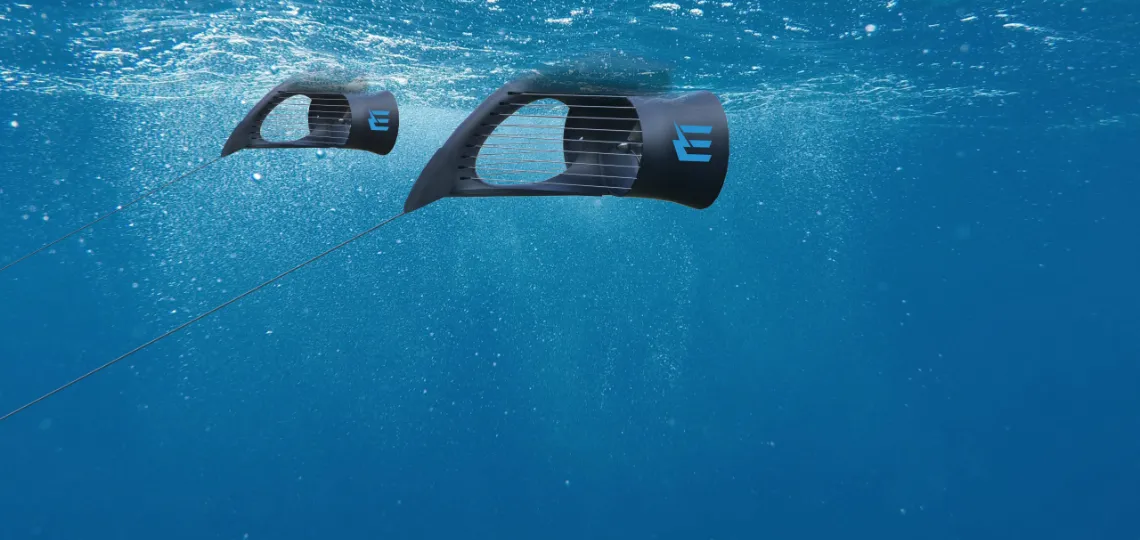
German company Energyminer GmbH has received administrative approval to build a power generation facility using the natural currents of the Rhine in St. Goar. The project involves the installation of 124 generators known as “Energyfische,” which will produce electricity continuously without dams, using the river’s natural flow. This is the first infrastructure of its kind to be approved globally, with consistent operational capacity and no structural alteration to the riverbed.
An industrial milestone for decentralised production
This approval marks the transition from an experimental prototype to a modular energy infrastructure. The St. Goar site becomes a reference point for deploying hydrokinetic technologies in natural environments. Energyminer is pursuing a distributed production model capable of operating 24 hours a day under varying current conditions. The concept relies on coordinated interaction between mechanical, hydraulic and digital components integrated into each floating module.
The installation requires neither concrete nor riverbed obstruction, enabling implementation with limited physical impact. According to the company, the system is designed to ensure stable performance even under extreme conditions. The components are anchored to the riverbed and engineered to withstand long-term hydrodynamic variations. Each unit is calibrated to operate autonomously while being integrated into a collective management platform.
From proof of concept to industrial demonstration
The St. Goar project constitutes, according to Energyminer, a demonstration of industrial feasibility. The Energyfisch technology was developed in-house over several years before receiving this first official approval. The company states it is now capable of building and operating similar parks in other regions.
The declared objective is to offer a new renewable electricity source capable of providing baseload power, without relying on traditional dam infrastructure. The scalability potential is presented as a strategic lever in an energy context where source diversification is considered essential.
Institutional reception and European prospects
The decision by the St. Goar authorities is seen by the company as a positive signal for future deployments, both in Germany and in other European countries. Energyminer claims this type of project can meet both regulatory expectations and economic requirements of energy producers.
The model is based on industrial standardisation of the modules and digital management of operations. The company plans to engage institutional and financial partners to expand its production network to other major European rivers. The St. Goar site could thus become a technological showcase for the micro-hydropower sector.