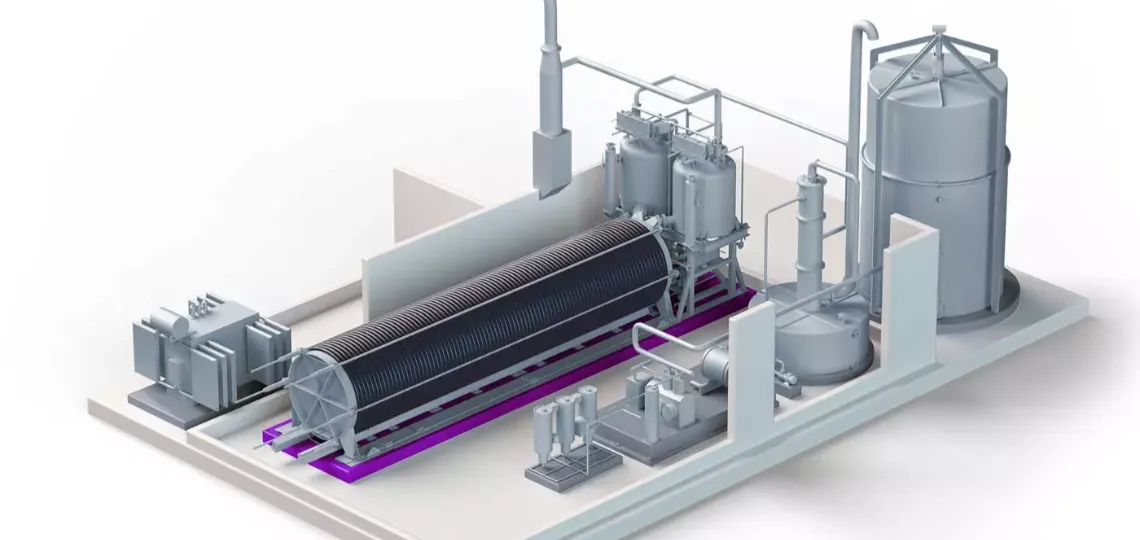
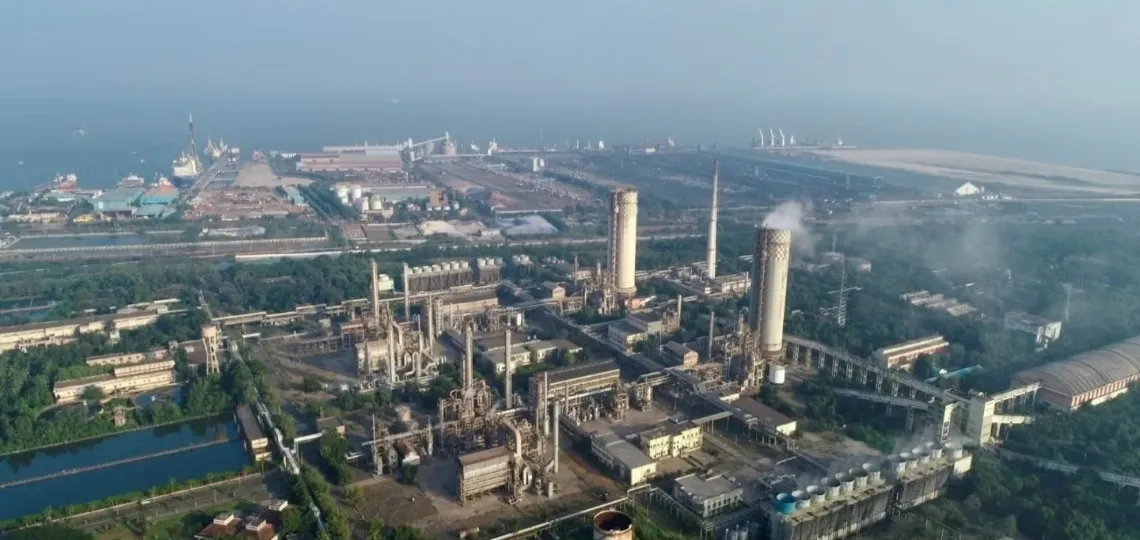
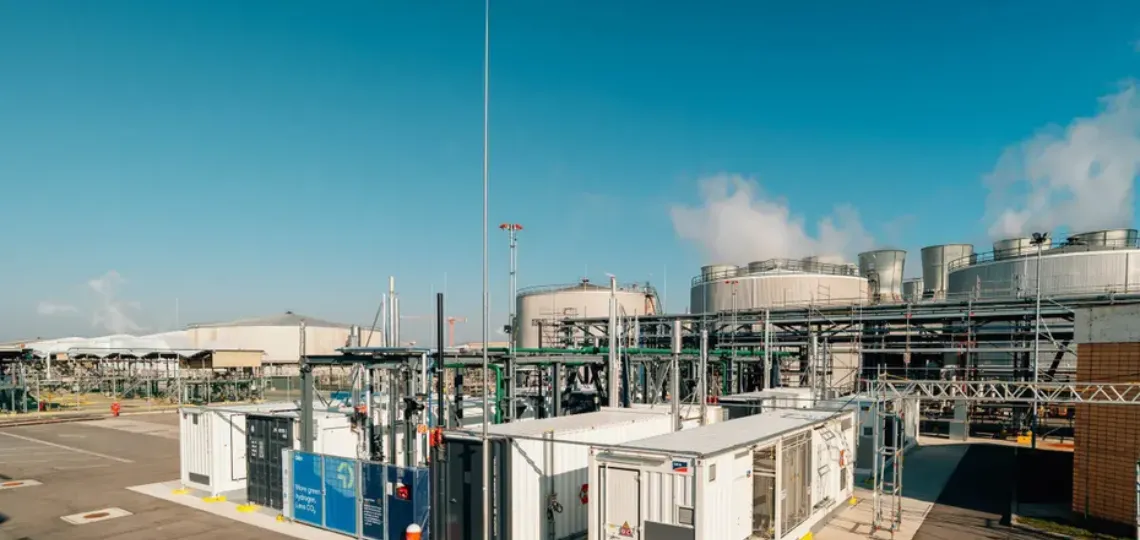
The global electrolyser market, a key driver of green hydrogen production through water electrolysis, is expected to grow from $4.7bn in 2024 to $42.4bn by 2034, according to projections published by Future Market Insights. This growth, estimated at 24.6 % annually over ten years, is fuelled by a combination of public policies, industrial investments and technology deployment across several continents.
A technology at the heart of industrial strategies
Once considered a niche technology, electrolysers are now emerging as a central pillar of energy transition strategies in countries such as the United States, China, the United Kingdom, Japan and South Korea. Used to produce hydrogen by splitting water using electricity, these systems benefit directly from the expansion of renewable energy and public programmes aimed at decarbonising heavy industry.
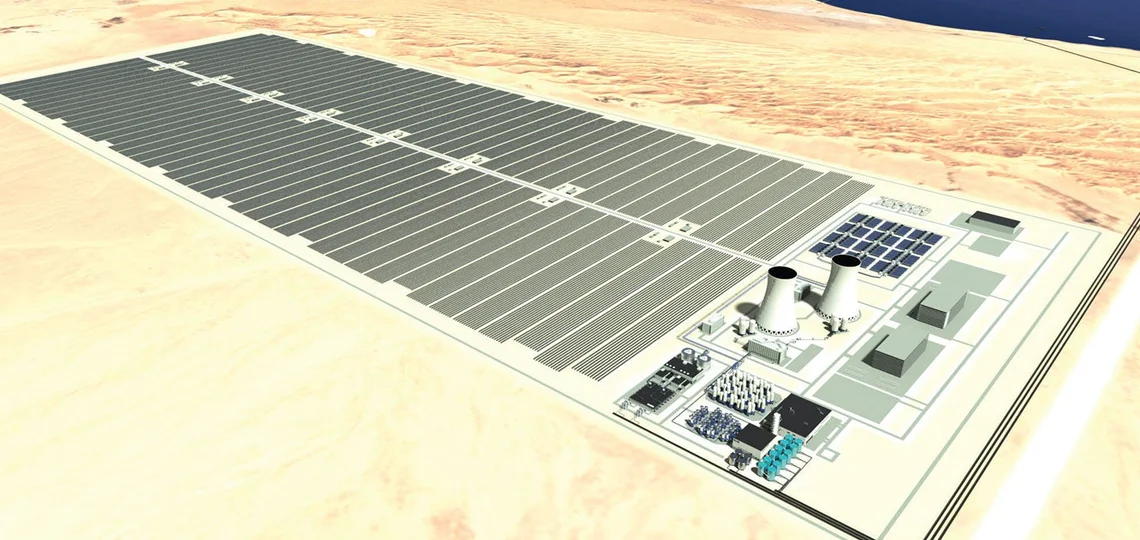
Applications span steel plants, refineries and energy storage for grids with high solar or wind integration. From 2019 to 2023, global electrolyser sales recorded an average annual growth rate of 27.9 %, confirming a shift into a sustained industrial phase despite ongoing infrastructure and cost challenges.
PEM segment drives technological development
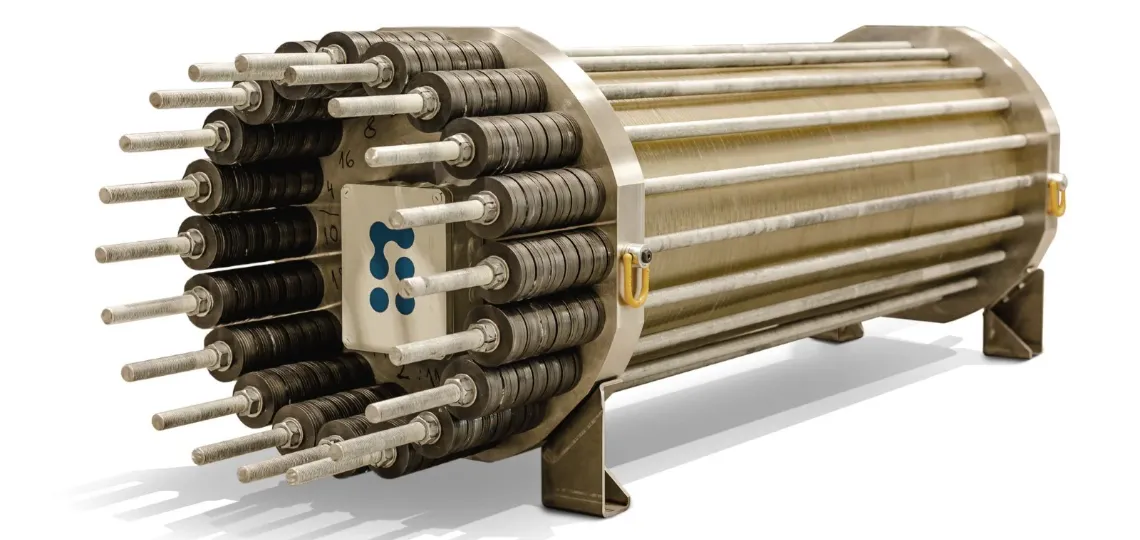
Proton Exchange Membrane (PEM) technology is projected to grow by 24.3 % annually through 2034. Valued for its ability to produce high-purity hydrogen and adapt to intermittent renewable power, PEM is gaining traction in the mobility and industrial sectors. Manufacturers are investing in membrane durability, catalyst optimisation and material recycling to support commercial deployment.
In terms of capacity, ≤ 500 kW systems are expected to grow by 24.0 %, favoured for their modularity and easier integration into existing grids. This segment is expanding across fuelling stations, pilot industrial sites and on-site hydrogen production units.
The most dynamic national markets
The United States is expected to lead with a $7.6bn market by 2034, supported by federal hydrogen hubs and growing refinery demand. The United Kingdom, driven by power plant upgrades and transport electrification, could reach $1.7bn. China, at $6bn, is focused on gigawatt-scale projects and strong integration with renewable clusters.
Japan, with a projected market of $4.7bn, is developing hydrogen-based solutions for urban resilience and fuel-cell mobility. South Korea, expected at $2.7bn, is benefitting from state-backed investment and strong public-private momentum in hydrogen infrastructure.
Industry players structure a fast-moving market
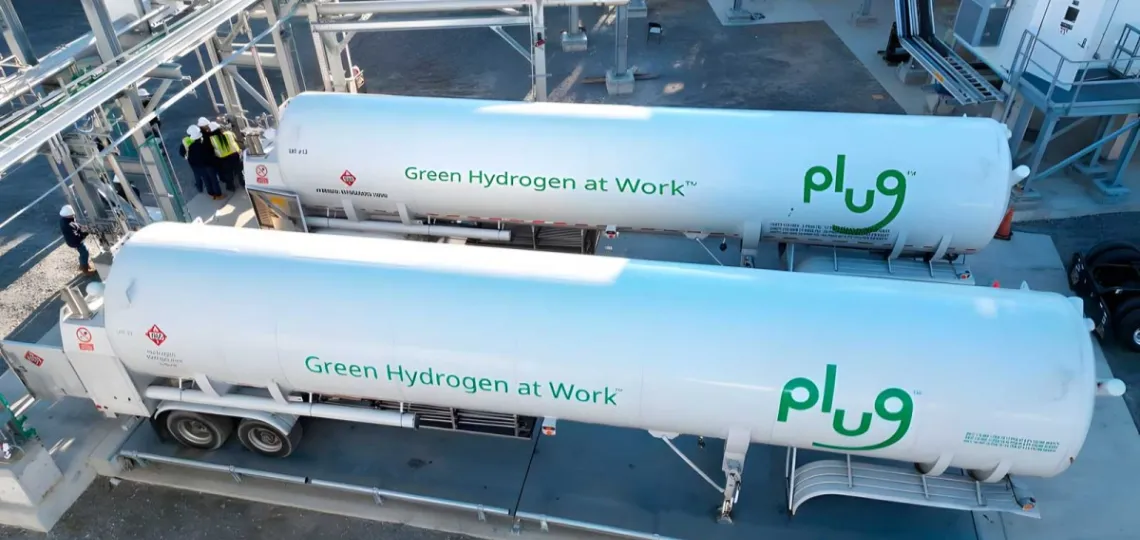
Major manufacturers such as Nel Hydrogen, Siemens Energy, ITM Power, Plug Power and McPhy Energy are developing large-scale solutions and investing in cost reduction and innovation in catalytic materials. Several recent developments illustrate this trend: McPhy Energy secured a contract for four 64 MW electrolysers, while Enapter AG launched a joint venture with Wolong Electric to produce AEM electrolysers in China.
Meanwhile in India, companies like Reliance Electrolyzer Manufacturing and Adani New Industries submitted bids for the country’s 1.5 GW electrolyser manufacturing programme. Government support and fiscal incentives are reinforcing investment across all segments, from compact units to industrial-scale systems above 2 MW.