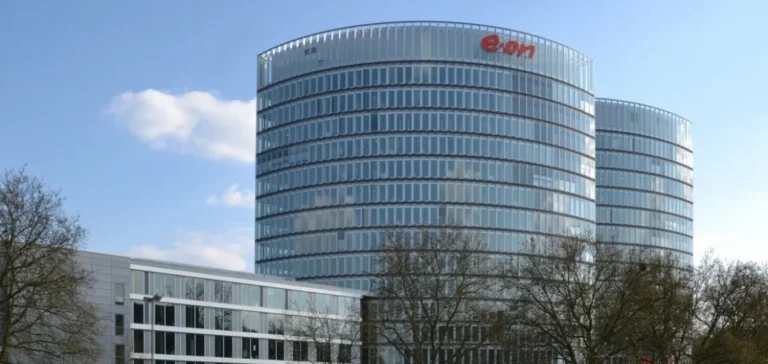

E.ON, Europe’s largest energy network operator, has raised concerns about the ongoing reforms governing the remuneration of grid operators in Germany. The group’s Chief Financial Officer, Nadia Jakobi, stated that the level of uncertainty surrounding the scheme remains higher than expected, casting doubt on the economic viability of future investments.
A key reform for sector profitability
Germany’s Federal Network Agency is currently finalising a reform that will set new profitability caps for electricity grid operators starting in 2029. The measure aims to balance consumer cost control with the need to maintain an attractive framework for investors. According to E.ON, the current proposal does not accurately reflect the financing costs borne by operators, which could affect their margins.
Nadia Jakobi noted that the group is not ruling out legal action if the final version of the text diverges too far from its expectations. She added that the reform must ensure a level of profitability consistent with the significant investments required to strengthen the power grid infrastructure, especially in light of the rise of data centres powered by artificial intelligence (AI).
Increased pressure on financial markets
E.ON’s share price fell by 4.5% during the session, reaching its lowest level in more than two months, reflecting investor concerns about regulatory uncertainty. Meanwhile, the group reported an 8% increase in investments over the first nine months of the year and confirmed its financial outlook for 2025.
The regulator has not yet published the final version of the reform, but E.ON’s management indicated that discussions are nearing completion. The group insists that the final framework must remain attractive enough to sustain the pace of necessary investments in Germany’s electricity transmission networks.
Limited visibility before 2026
Analysts at Bernstein believe regulatory uncertainty could delay E.ON’s strategic decisions on infrastructure expansion until February 2026. This lack of clarity complicates long-term investment planning in a context of rising energy demand and rapid technological transition in Germany’s power system.