With electricity demand accelerating, Asia-Pacific utilities must manage massive investment needs, volatile revenues and geopolitical tensions as the energy transition advances in a rapid but disorderly manner.
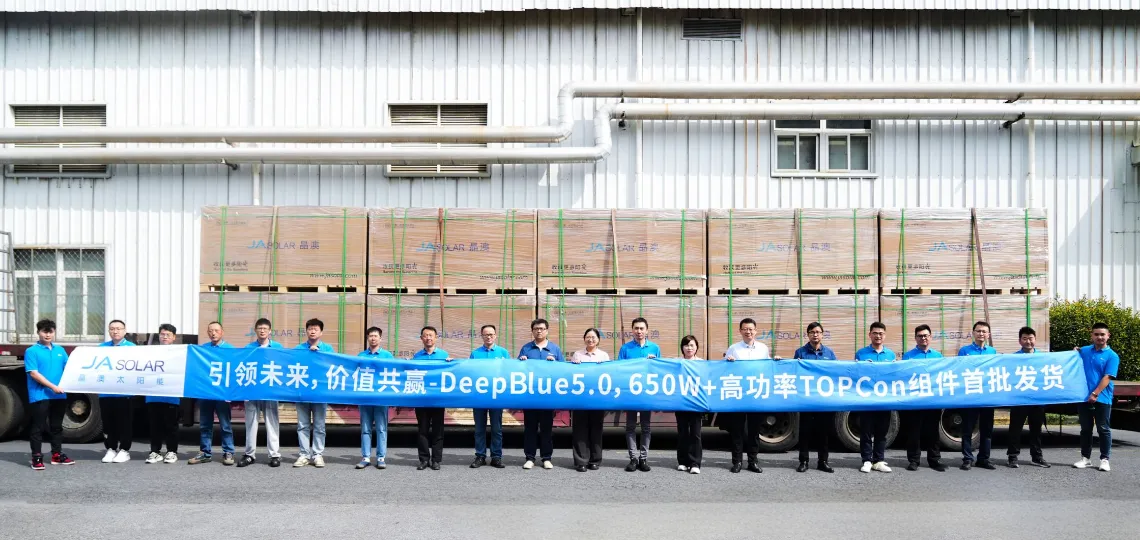
Indian solar module manufacturer Emmvee has commissioned a new 2.5 GW production unit in Karnataka, raising its total capacity to 10.3 GW and triggering a 6% rise in its share price on the BSE.
Pipeline natural gas deliveries from Russia to the European Union dropped by 44% in 2025, reaching their lowest level in five decades following the end of transit via Ukraine.
Amber Grid has signed an agreement to maintain gas transit to Russia’s Kaliningrad exclave, with a daily capacity cap of 10.5 mn m³ until the end of 2030, under a framework regulated by the European Union.
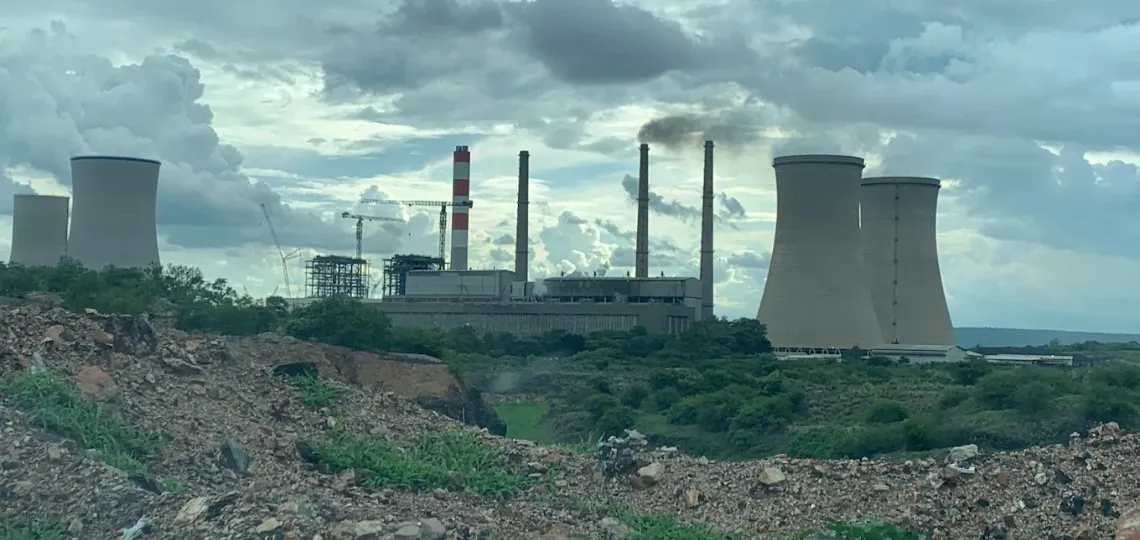
Zimbabwe awards India’s Jindal Steel a $455mn contract to add 400 megawatts, or 20% of national demand, through the rehabilitation of its coal-fired Hwange plant.
India’s public sector SECI seeks to outsource the design and management of an energy trading software platform, including technical support and human resources for five years at its New Delhi headquarters.
The Solar Energy Corporation of India has opened a tender to purchase 1 GW of excess electricity from projects connected to the interstate grid, combined with battery storage systems.
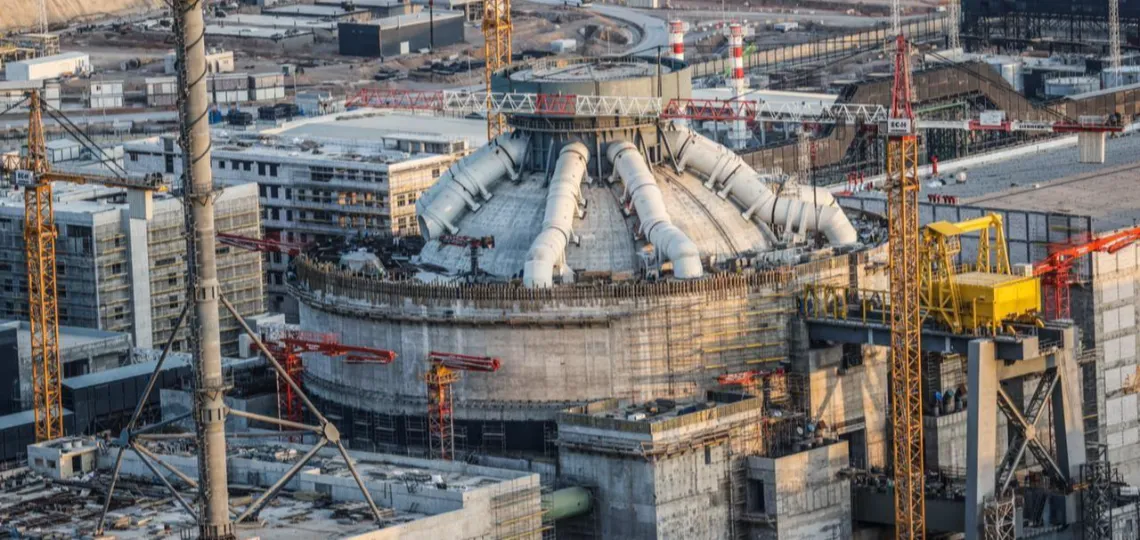
Ankara confirmed new Russian funding for the Akkuyu project, Turkey’s first nuclear site, strengthening its energy ties with Moscow and advancing its domestic nuclear ambitions.
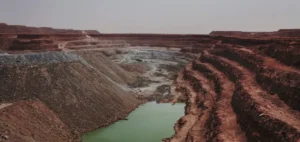
Niger’s military regime disputes theft allegations by French prosecutors after uranium stock vanished from a nationalised site previously operated by Orano.
Sembcorp Industries has completed the purchase of ReNew Sun Bright, strengthening its solar presence in India with a 300 MW project located in Rajasthan.
Rosatom successfully completed a series of tests on its high-temperature gas-cooled reactor fuel, validating its performance at up to 1,700 °C under prolonged irradiation conditions.
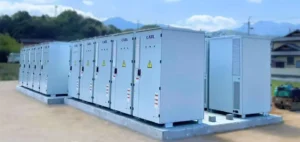
Port Inc. reports positive results from its battery storage pilot in Gunma, leveraging a regulatory window ahead of adjustment market reforms scheduled for fiscal year 2026.
Interceptions of ships linked to Venezuelan oil are increasing, pushing shipowners to suspend operations as PDVSA struggles to recover from a cyberattack that disrupted its logistical systems.
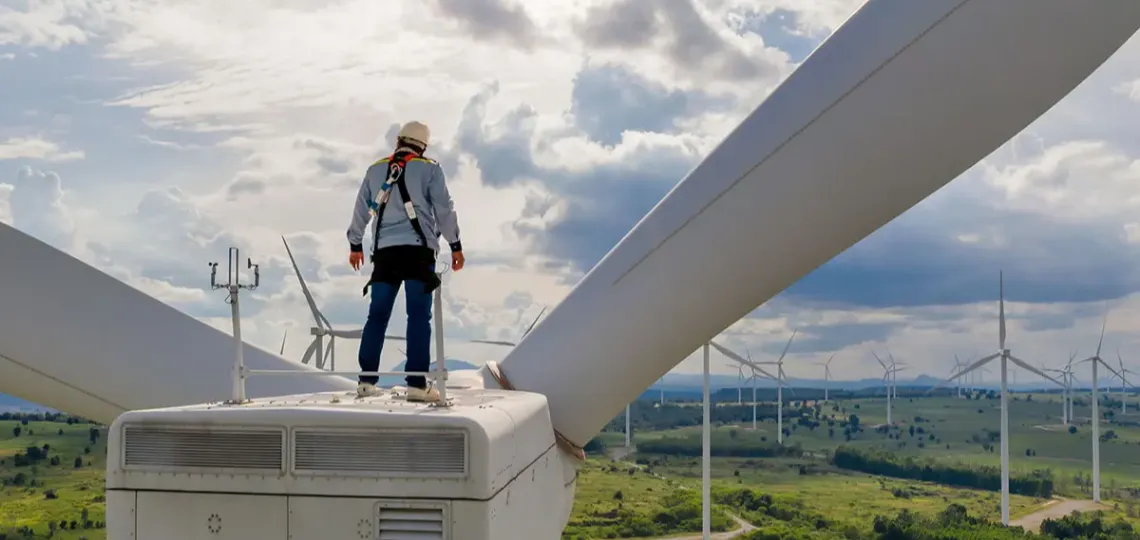
Policy reversals, reduced performance and corporate disengagement marked an unprecedented slowdown in wind power in 2025, although China continued its expansion at a steady pace.
French group Nexans initiates the sale of its Autoelectric subsidiary to India’s Motherson for €207mn ($227mn), marking its full exit from non-electrification activities.
China's electricity market overhaul improves the profitability of energy storage, supporting a rapid increase in battery exports as global demand rises with data centres and power grids.
The Australian government will require up to 25% of gas extracted on the east coast to be reserved for the domestic market from 2027, in response to supply tensions and soaring prices.
South Korea’s Tilda accelerates its entry into Vietnam with an artificial intelligence-based energy optimisation solution for solar and energy storage systems in the manufacturing sector.
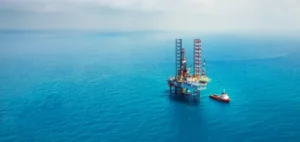
Chinese oil group CNOOC continues its expansion strategy with a new production start-up in the Pearl River Basin, marking its ninth offshore launch in 2025.
The United Kingdom targets two Russian oil majors, Asian ports and dozens of vessels in a new wave of sanctions aimed at disrupting Moscow's hydrocarbon exports.
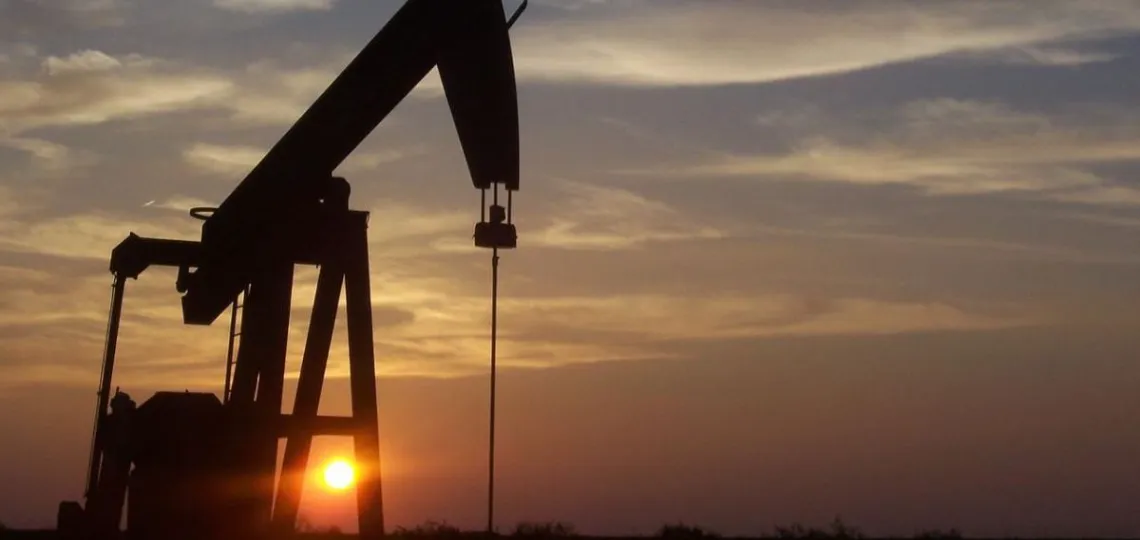
Major global oil traders anticipate a continued decline in Brent prices, citing the fading geopolitical premium and rising supply, particularly from non-OPEC producers.
The US government has withdrawn its proposal to suspend liquefied natural gas export licences for failure to comply with maritime requirements, while maintaining a phased implementation schedule.
Gotion High-Tech presented in Saudi Arabia a modular 20 MWh storage solution aimed at strengthening the country's energy capacity under its Vision 2030 strategy.
The Tützpatz solar project, developed by Vattenfall and powered by GCL System Integration, combines energy production and agricultural use across 93 hectares without public funding.
The Japanese developer has commissioned a storage unit in Karatsu and plans to deploy 80 facilities by the end of 2026, relying on agreements with local governments and industrial partners.
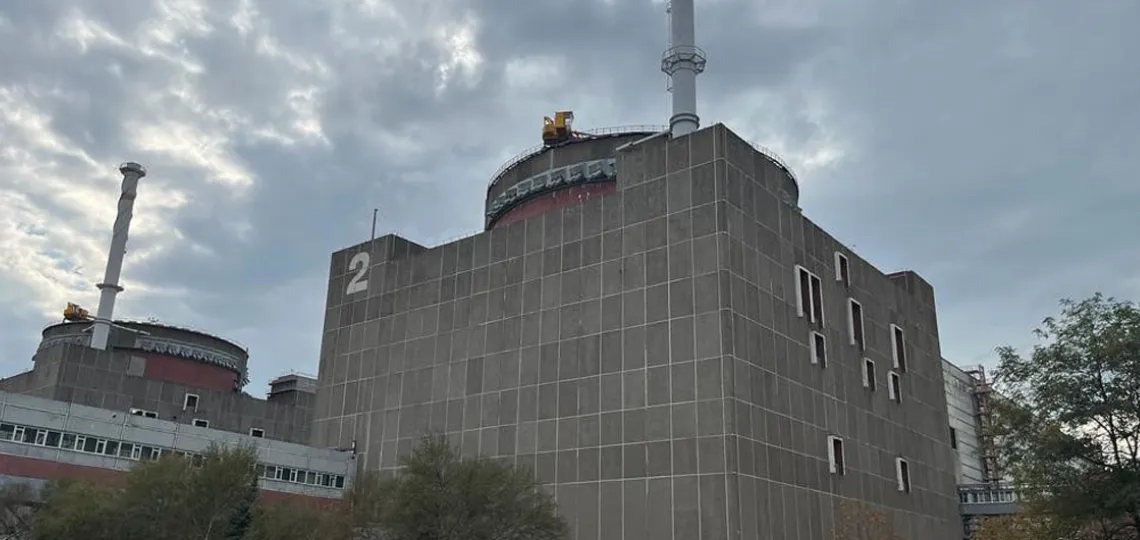
The United Nations nuclear agency is urging Ukraine and Russia to establish a local ceasefire to repair damaged power lines at the Zaporizhzhia plant, which remains on alert after losing all external power supply.
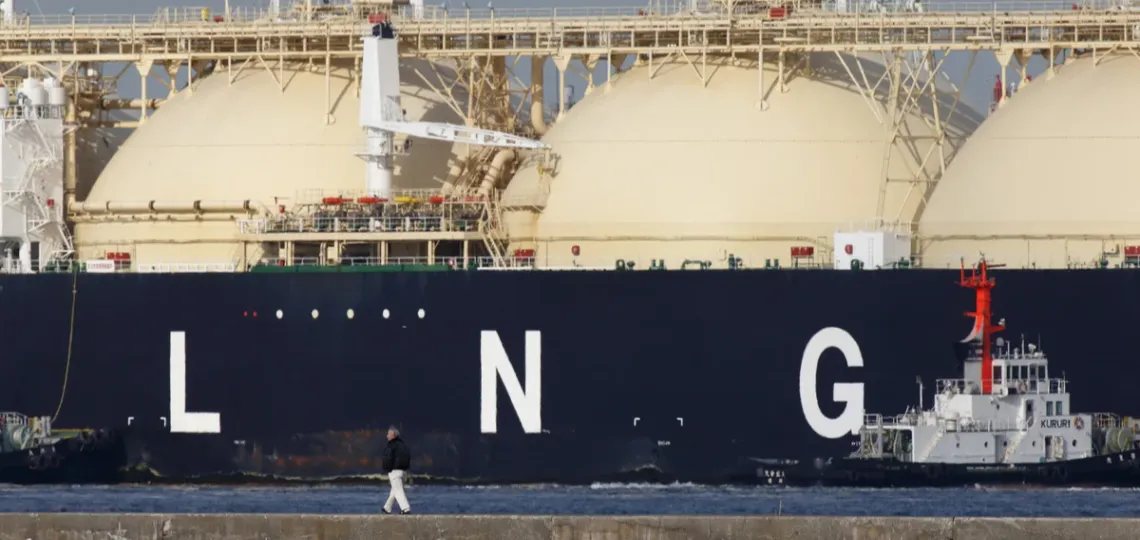
Faced with declining domestic consumption, Japanese liquefied natural gas (LNG) importers are ramping up commercial optimisation strategies and favouring shorter contracts to protect profitability.
India is funding Mongolia’s first oil refinery through its largest line of credit, with operations scheduled to begin by 2028, according to official sources.
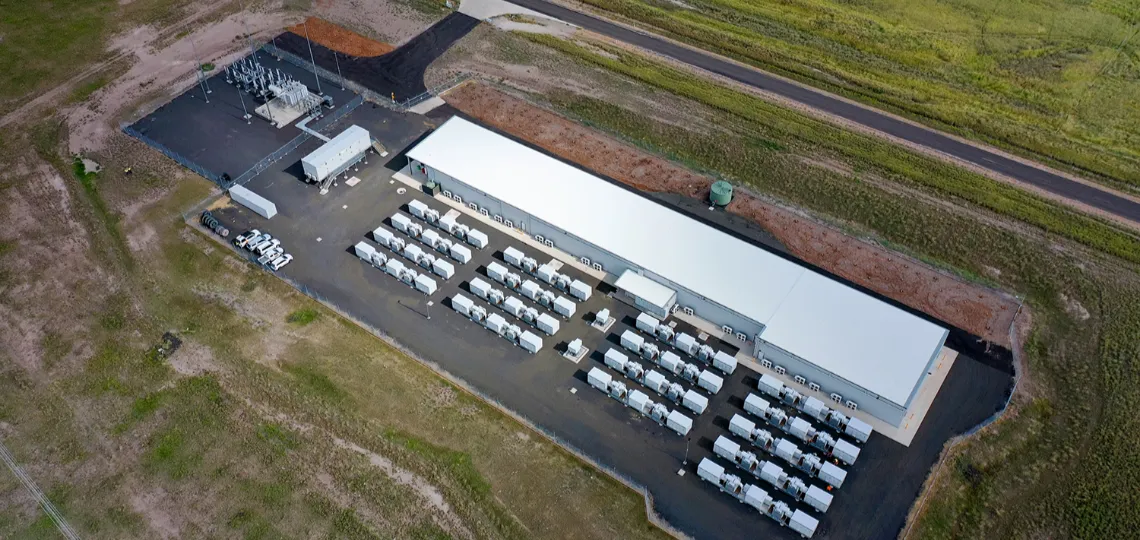
Utility-scale battery storage system costs continue to fall across Asia-Pacific, but the pace of reductions is expected to slow significantly by 2029, according to Wood Mackenzie projections.
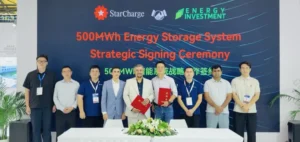
StarCharge has secured a 500MWh energy storage order through a strategic agreement with ENERGY INVESTMENT LLC, strengthening its position in rapidly evolving Eastern European markets.
The COP30 conference hosted in the Amazon by Brazil faces low participation from global leaders, amid geopolitical tensions and major logistical challenges.
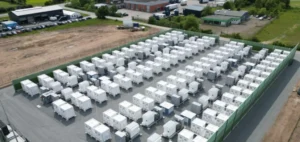
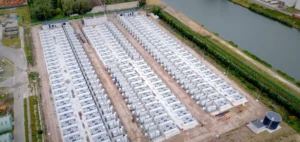
The Vilvoorde site in Belgium now hosts 400 MWh of operational capacity on a total 800 MWh project, marking a key milestone for electricity storage on the continent.
China imported an average of 11.5 million barrels of crude oil per day in September, supported by higher refining rates among both state-run and independent operators.
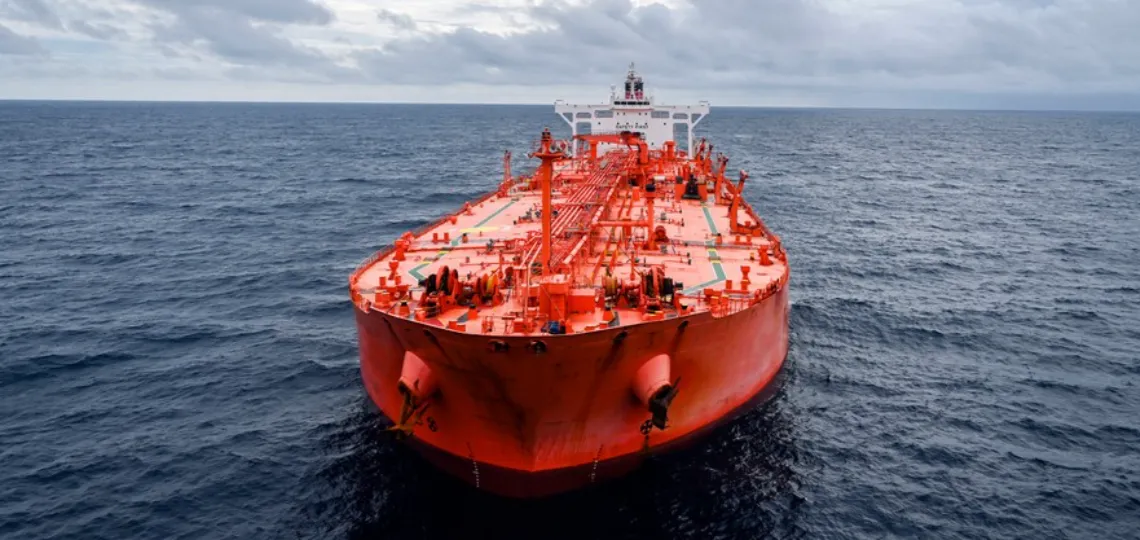
The New Vista vessel, loaded with Abu Dhabi crude, avoided Rizhao port after the United States sanctioned the oil terminal partly operated by a Sinopec subsidiary.