Facing a rapid increase in demand across industrial corridors, the Kenyan government is restructuring its power grid to accelerate connections, reduce technical losses and integrate new digital tools.
The Ugandan government aims to authorise its national oil company to borrow $2 billion from Vitol to fund strategic projects, combining investments in oil infrastructure with support for national logistics needs.
The American oil major saw its revenue decline in the third quarter, affected by lower crude prices and refining margins, despite record volumes in Guyana and the Permian Basin.
TotalEnergies is asking Mozambique for a licence extension and financial compensation to restart its $20 billion gas project suspended since 2021 following an armed attack.
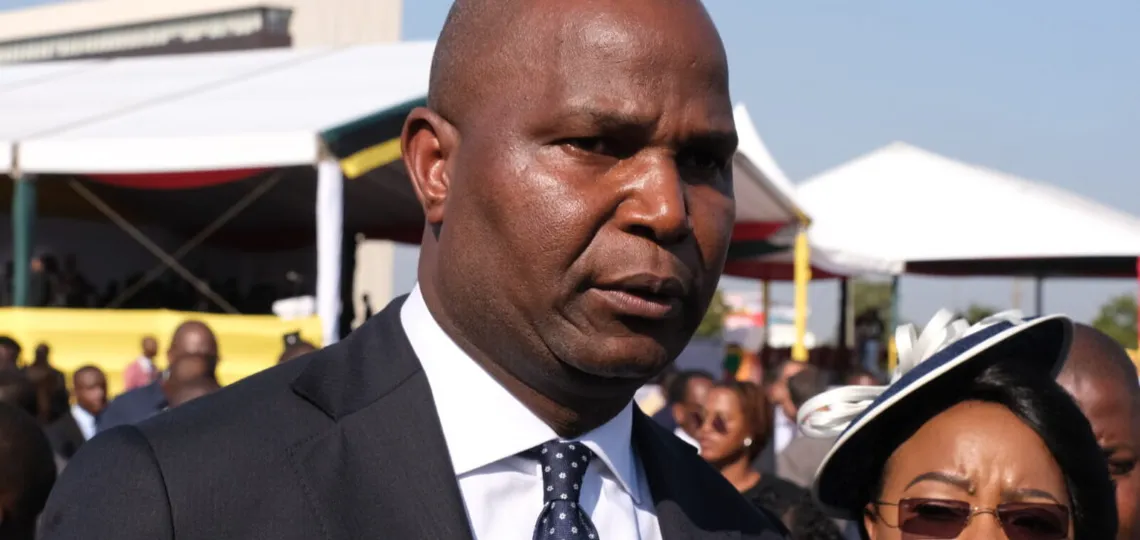
Daniel Chapo is visiting the United States to encourage ExxonMobil to commit to a major investment in Rovuma LNG, a strategic gas project for Mozambique as TotalEnergies resumes its suspended operations.
The carrier uses mass balance and Book & Claim allocation to test demand, structure certified revenues, and prepare domestic capacity targeted for 2026 amid already intensifying regional competition.
Ghana aims to secure $16 billion in oil revenues over ten years, but the continued drop in production raises doubts about the sector’s long-term stability.
Niger hardens its stance on energy sovereignty but avoids breaking with China National Petroleum Corporation, its main oil industry partner, in order to safeguard export revenues.
A new International Energy Agency report urges Maputo to accelerate energy investment to ensure universal electricity access and support its emerging industry.
Canadian firm Stardust Solar grants its first African franchise to Megatricity Energy in Zambia, launching a new phase of expansion into emerging solar energy markets.
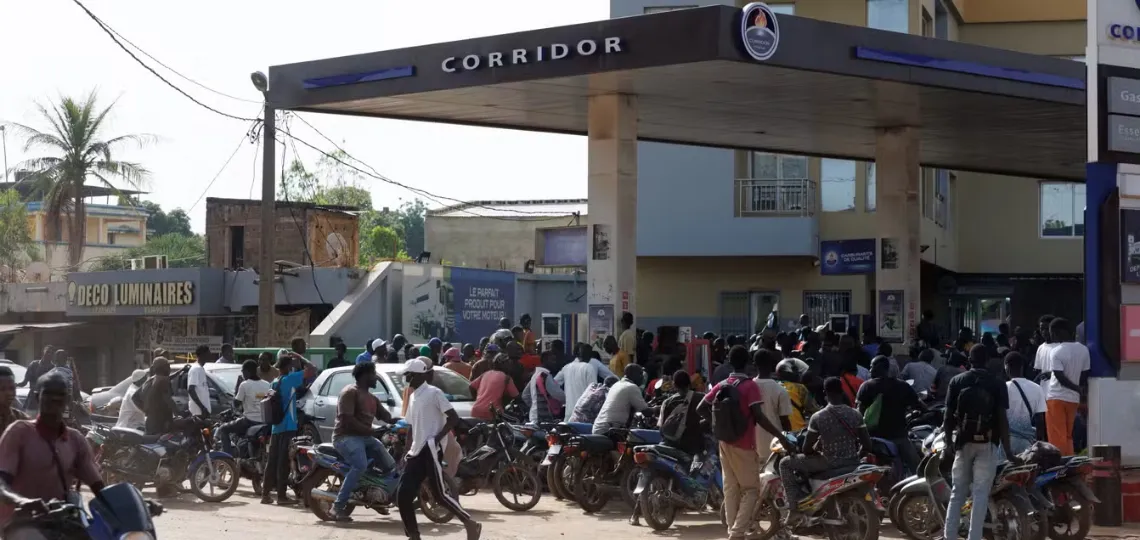
Prolonged attacks on fuel convoys have depleted stocks, destabilised power generation and disrupted economic activity in Bamako and surrounding regions.
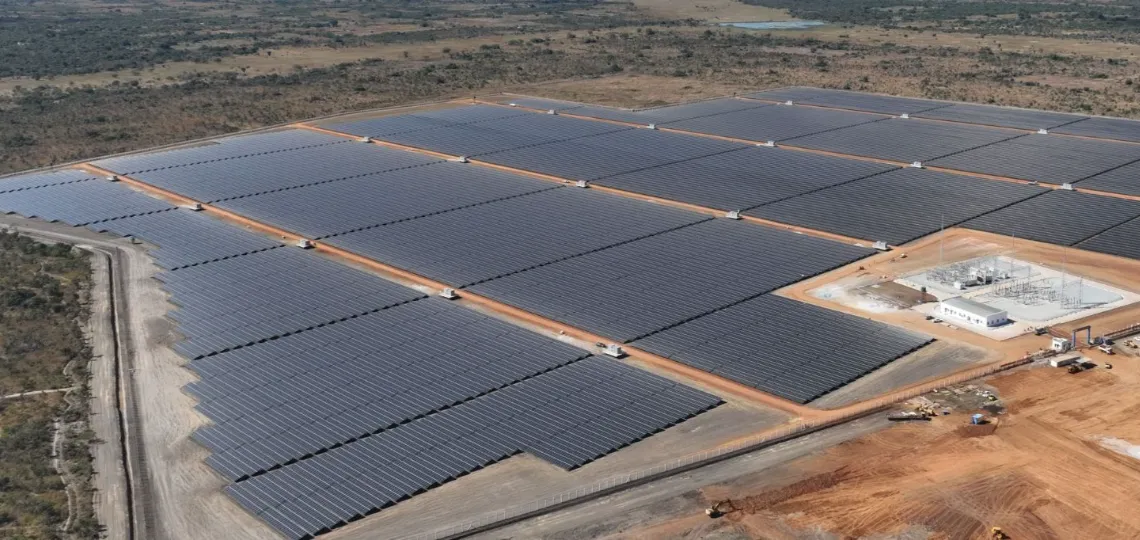
AXIAN Energy has acquired a majority stake in the Bangweulu solar plant in Zambia, strengthening its pan-African solar strategy while entering a rapidly growing energy market.
Voltalia has entered a strategic partnership with IFC to develop tailored renewable energy projects for the mining sector across several African countries.
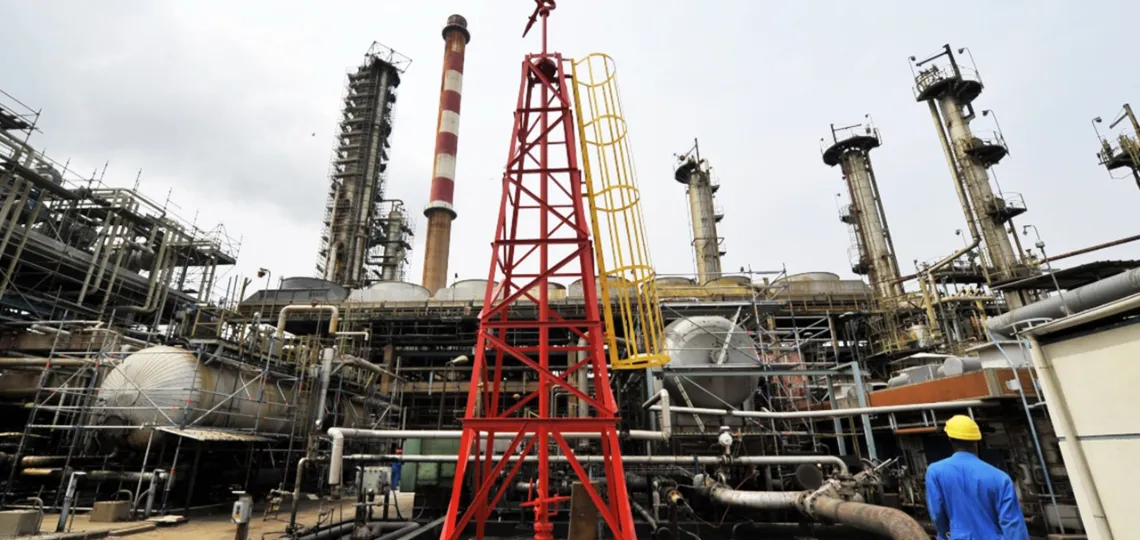
Société Ivoirienne de Raffinage receives major funding to upgrade facilities and produce diesel fuel in line with ECOWAS standards, with commissioning expected by 2029.
The 50 MW Kong solar power plant marks a new step in Côte d’Ivoire’s national grid expansion, with CFA37bn ($60.5mn) in funding and commissioning set for early 2027.
More than 40 developers will gather in Livingstone from 26 to 28 November to turn Southern Africa’s energy commitments into bankable and interconnected projects.
Amid rising global demand for low-carbon technologies, several African countries are launching a regional industrial strategy centred on domestic processing of critical minerals.
A jihadist attack targeted Palma, a strategic area in northern Mozambique, marking a return of insecurity near TotalEnergies' suspended gas project since 2021.
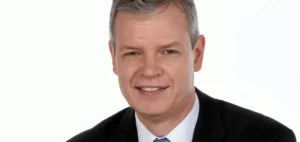
US-based Chevron appoints Kevin McLachlan, a veteran of TotalEnergies, as its global head of exploration, in a strategic move targeting Nigeria, Angola and Namibia.
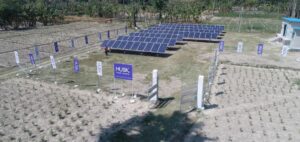
Husk Power Systems doubled its network of solar mini-grids in 2024, reaching 20 MW installed capacity, positioning itself as a key player in rural electrification across Sub-Saharan Africa.
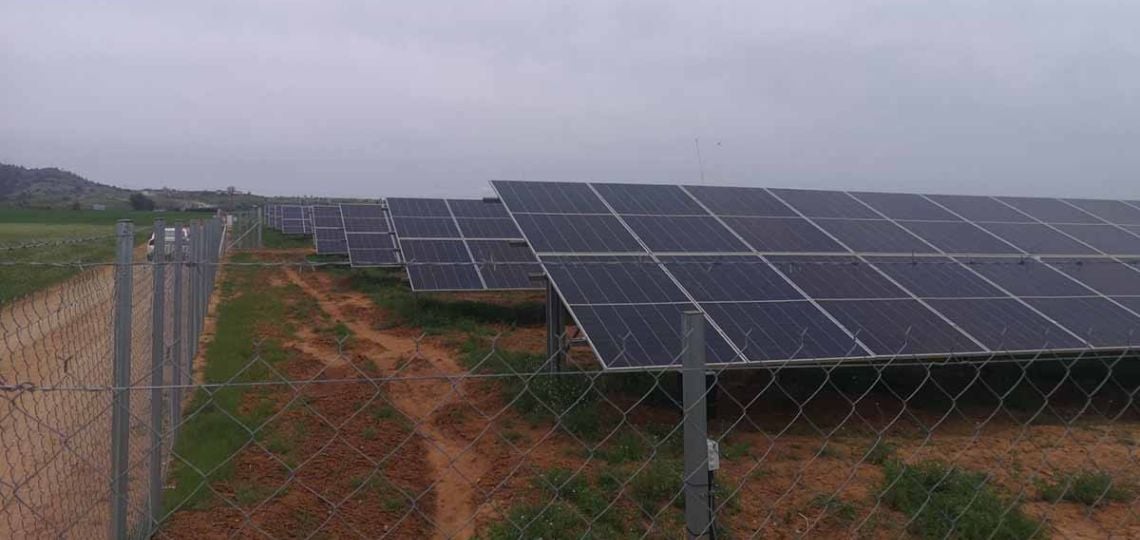
Zanzibar takes a step towards energy independence with an ambitious 18 MW solar project funded by the World Bank. This initiative is part of a sustainable energy production strategy for the archipelago.
Niger accuses Nigeria of involvement in an attack on its pipeline to Benin. This incident highlights growing political and economic tensions in the region.
Rubis, an energy group based in Paris, appoints Jean-Christian Bergeron as the General Manager of Rubis Énergie. He will assume his role in January 2025 to lead growth strategy in global energy distribution markets.
The OPEC Fund has validated a financing portfolio totaling nearly one billion dollars in the fourth quarter of 2024, distributed across structuring projects in governance, infrastructure, and trade in several strategic regions.
CEC Renewables announces a $96.7 million green bond issuance, backed by international investors, to finance the second phase of its Itimpi solar plant, adding 136 MW to its installed capacity in Zambia.
A 50 MW solar power plant will be constructed in Katiola, Côte d’Ivoire. Fully financed by Katiola Solar Power, a subsidiary of JC-Monfort, this investment is valued at $53 million.
Côte d’Ivoire partners with the European Union with €15 million investment to promote green energy, reinforcing its goal of achieving 45% renewables in its energy mix by 2030.
The Nigeria-Morocco gas pipeline project progresses with tenders planned for 2025. This strategic project aims to strengthen economic integration and energy supply in Africa and Europe.
India is building the world's largest solar power plant in the Gujarat desert. With 60 million panels and 770 wind turbines, Khavda exemplifies a colossal ambition to address the country's energy and climate challenges.
The Adani conglomerate has lost $55 billion in market capitalization following corruption charges against its CEO, Gautam Adani, in the United States. The case has shaken markets and jeopardized its international partnerships.
At COP29, China refuses to agree to a climate financing proposal, deepening North-South tensions and threatening global objectives in the fight against climate change.
At COP29 in Baku, 25 nations, including the United Kingdom and Australia, pledged to stop building coal power plants. This initiative aims to curb global warming despite a 2% increase in global coal capacity in 2023.
Despite pressure on refining margins, Africa is accelerating refinery projects to meet growing demand and enhance energy security, while facing competition from global giants.
The 2024 China-Africa Renewable Energy Summit solidified strategic partnerships for a sustainable energy transition while offering solutions tailored to the continent's specific challenges.
At COP29, six countries joined an ambitious declaration to triple global nuclear capacity by 2050, bringing the number of signatories to 31, backed by major financial institutions.
At COP29, Rafael Grossi, Director General of the International Atomic Energy Agency (IAEA), emphasizes the inclusion of nuclear energy in climate financing, while targeting a regulated access approach for developing countries.