Niger maintains oil cooperation with China despite growing demands
Niger hardens its stance on energy sovereignty but avoids breaking with China National Petroleum Corporation, its main oil industry partner, in order to safeguard export revenues.
| Sectors | Oil |
|---|---|
| Themes | Policy & Geopolitics, Energy Security |
| Companies | Orano, Somaïr |
| Countries | Benin, China, France, Niger |
In Niger, oil operations continue uninterrupted despite visible tensions with China National Petroleum Corporation Niger Petroleum (CNPCNP), the main operator of the country’s key oil field. Since early 2025, the authorities in Niamey have signalled their intent to renegotiate terms, expelling Chinese executives and tightening local content requirements. However, crude exports persist, generating over $2bn in revenue.
Dependence on oil revenues
The Nigerien government’s cautious stance is largely driven by its economic dependence on oil rents. In April 2024, CNPC advanced $400mn to Niamey, repayable over 12 months, to fund budgetary priorities. This financial support enabled an economic rebound, with growth reaching 8.4% in 2024, compared to 2% the previous year, according to the World Bank.
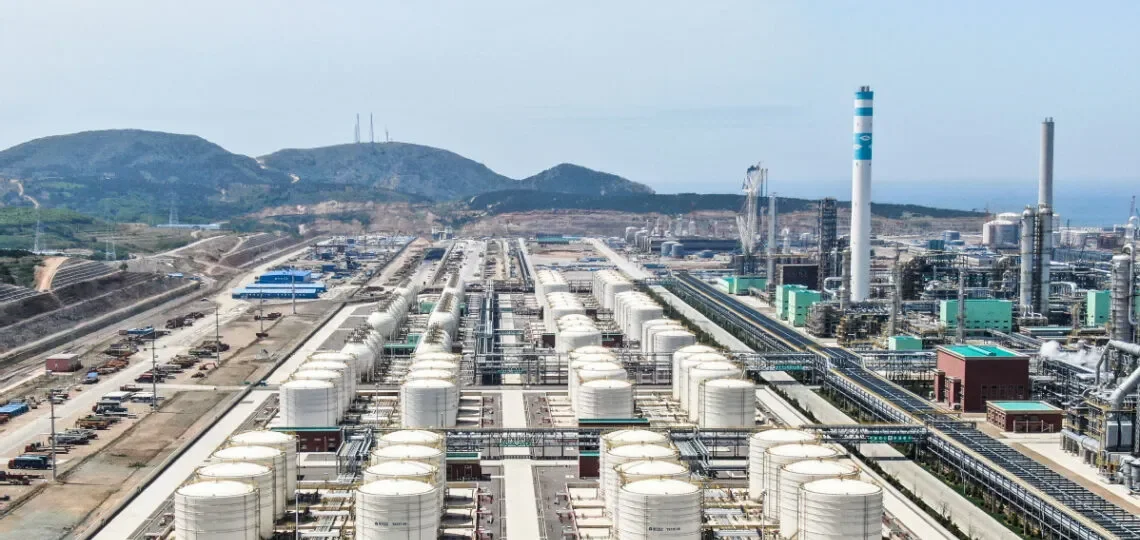
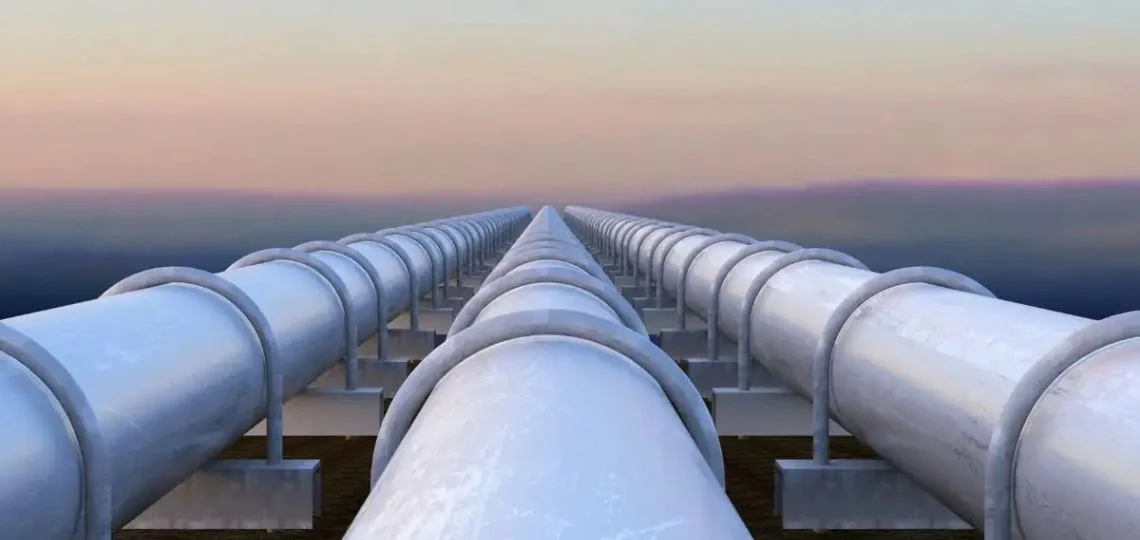
The commissioning of the 1,950 km pipeline linking the Agadem oil basin to the port of Cotonou is central to this momentum. Financed and built by the Chinese partner, the infrastructure provides direct access to international markets. This export route, along with the SORAZ refinery operated in partnership with CNPCNP, remains irreplaceable in the short term, limiting Niger’s strategic options.
Local content reforms and structural constraints
Despite this reliance, the government has introduced ambitious targets for local content. Authorities demand that 80% of workers in oil projects be Nigerien nationals, up from around 30% currently. They also call for an increase in local managerial staff and a rebalancing of wage gaps between expatriates and national employees.
Implementation of these targets is challenged by a lack of local technical expertise, often cited by CNPCNP officials. In an effort to shift the balance, Niamey has also requested a capital opening of the West African Oil Pipeline Company (WAPCO), which manages the pipeline, though no structural changes have been confirmed to date.
Nationalisation in uranium, restraint in oil
This measured approach in oil contrasts with Niger’s policy in the uranium sector. In June 2025, the state nationalised Société des mines de l’Aïr (Somaïr), a subsidiary of French group Orano, after the company reported losing operational control of the mine in late 2024. The move was followed by arbitration proceedings launched before the International Centre for Settlement of Investment Disputes (ICSID), which Niamey acknowledged.
This difference in approach highlights a broader reality: a state’s ability to assert control over its resources depends on its grip over infrastructure, the degree of technological dependence and the level of foreign investment concentration. In the oil sector, Niger continues to operate within a structure dominated by external actors.