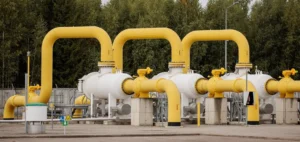
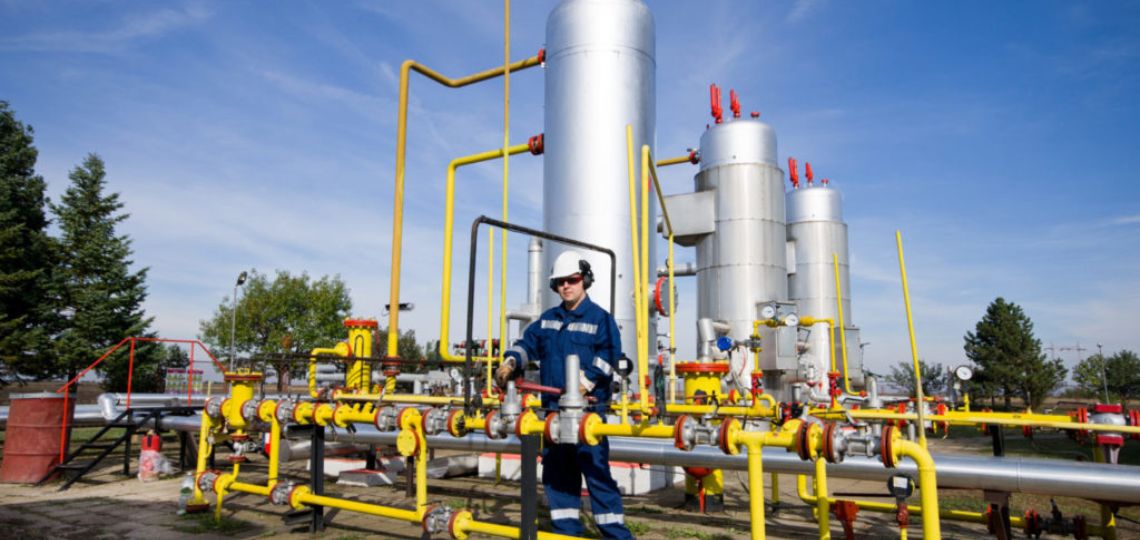
Pipeline natural gas deliveries from Russia to the European Union dropped by 44% in 2025, reaching their lowest level in five decades following the end of transit via Ukraine.
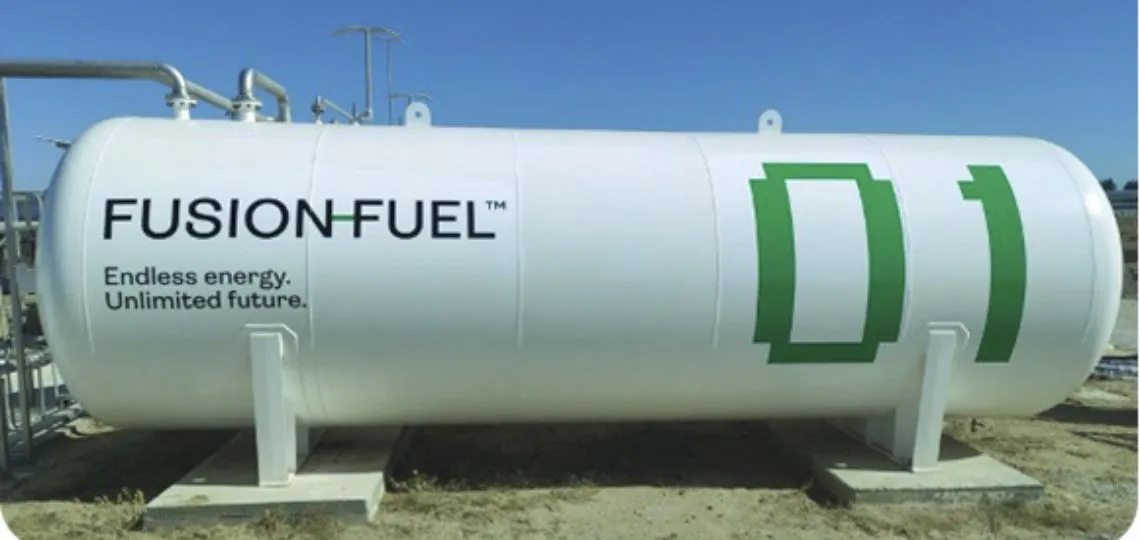
Fusion Fuel, through its subsidiary BrightHy Solutions, has set up a €30mn ($32.9mn) funded platform to develop industrial hydrogen projects, with the first site expected in Spain in 2026.
Amber Grid has signed an agreement to maintain gas transit to Russia’s Kaliningrad exclave, with a daily capacity cap of 10.5 mn m³ until the end of 2030, under a framework regulated by the European Union.
Turkish, Hungarian and Polish national companies confirm participation in Tripoli's summit as Libya revives upstream investments and broadens licensing opportunities.
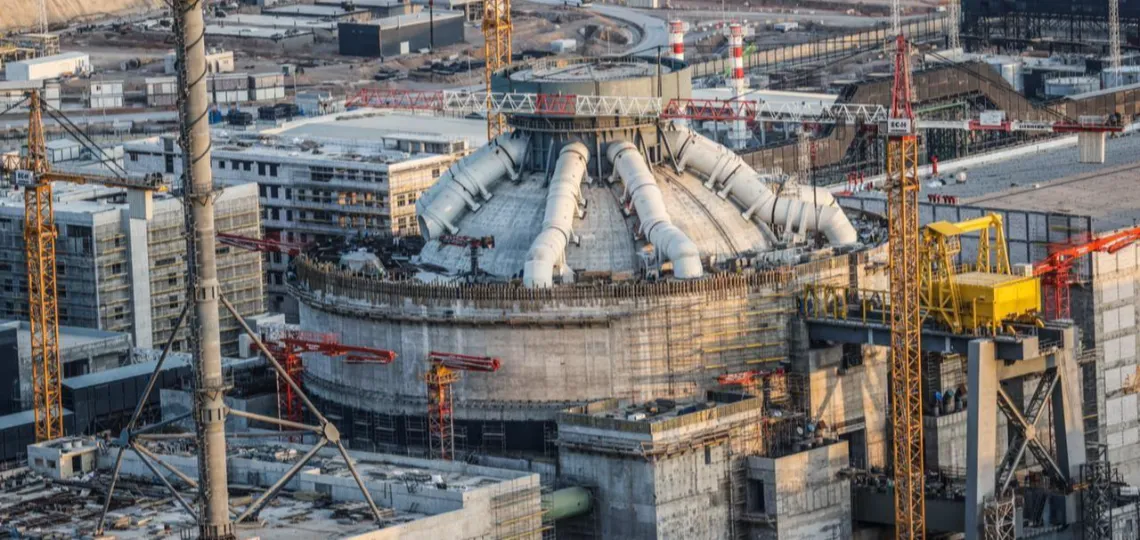
Ankara confirmed new Russian funding for the Akkuyu project, Turkey’s first nuclear site, strengthening its energy ties with Moscow and advancing its domestic nuclear ambitions.
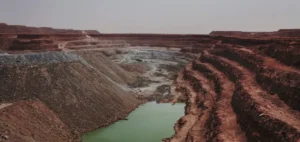
Niger’s military regime disputes theft allegations by French prosecutors after uranium stock vanished from a nationalised site previously operated by Orano.
Rosatom successfully completed a series of tests on its high-temperature gas-cooled reactor fuel, validating its performance at up to 1,700 °C under prolonged irradiation conditions.
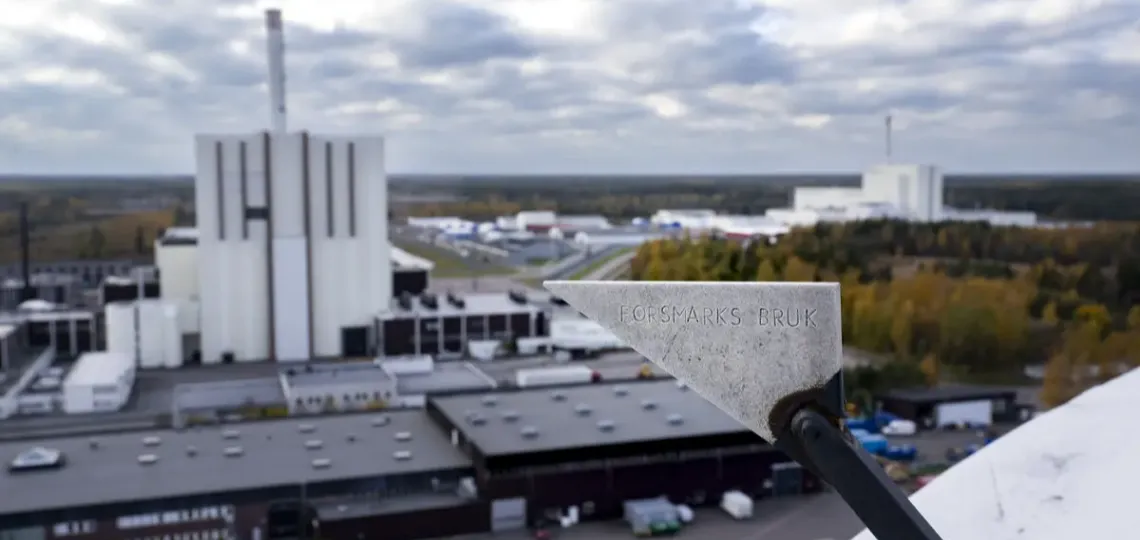
Videberg Kraft AB becomes the first company to request government support to build two new reactors at the Ringhals site, under the national nuclear investment framework adopted in 2025.
Swedish group Orrön Energy is selling a portfolio of development-stage solar projects to Gülermak for up to €14mn, including an initial €0.7mn payment and additional milestone-based consideration.
The European Commission opens an in-depth investigation into Prague's public funding of a major nuclear project, which could reach €30bn ($32.88bn), with guaranteed revenues over forty years.
French nuclear reactor developer Newcleo has submitted its lead-cooled small modular reactor design to Euratom, initiating the first regulatory phase to integrate nuclear non-proliferation safeguards at the European level.
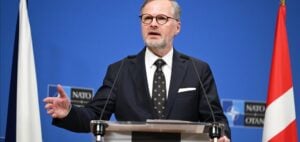
The new Czech Minister of Industry wants to block the upcoming European emissions trading system, arguing that it harms competitiveness and threatens national industry against global powers.
Several scenarios are under review to regain control of CEZ, a key electricity provider in Czechia, through a transaction estimated at over CZK200bn ($9.6bn), according to the Minister of Industry.
Technique Solaire has secured €40mn ($43.5mn) in junior debt from BNP Paribas Asset Management to structure two solar portfolios totalling 392 MWp across France, Spain and the Netherlands.
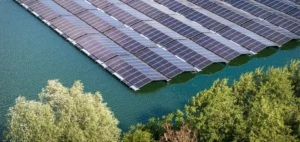
BayWa r.e. has finalised the sale of a 46 MW floating solar park, the country’s largest, to a Dutch public-local consortium, marking a new step in the decentralised structuring of the solar market in the Netherlands.
Gasunie and Thyssengas have signed an agreement to convert existing gas pipelines into hydrogen conduits between the Netherlands and Germany, facilitating integration of Dutch ports with German industrial regions.
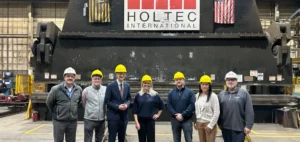
US-based Holtec has signed a memorandum of understanding with Hungary’s energy group MVM to assess the deployment of its SMR-300 technology, strengthening bilateral nuclear cooperation and opening prospects for a new market in Central Europe.
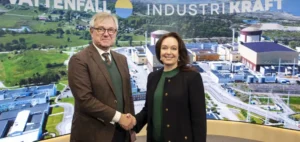
The Industrikraft consortium will invest SEK400mn ($42.2mn) to become a shareholder in Videberg Kraft, marking a new phase in Sweden’s nuclear project led by Vattenfall on the Värö Peninsula.
Kazakhstan, a major oil player in Central Asia, is facing production challenges due to delays in its key projects, limiting its ability to meet objectives and comply with OPEC+ quotas.
Saudi Aramco has raised $3 billion via a sukuk issue, despite a drop in oil production.
The funds raised are intended to support the company's dividend commitments and capital expenditure projects.
Russian Deputy Prime Minister Alexander Novak announces that Russia could lift the gasoline export ban if a supply surplus is found in a stable domestic market.
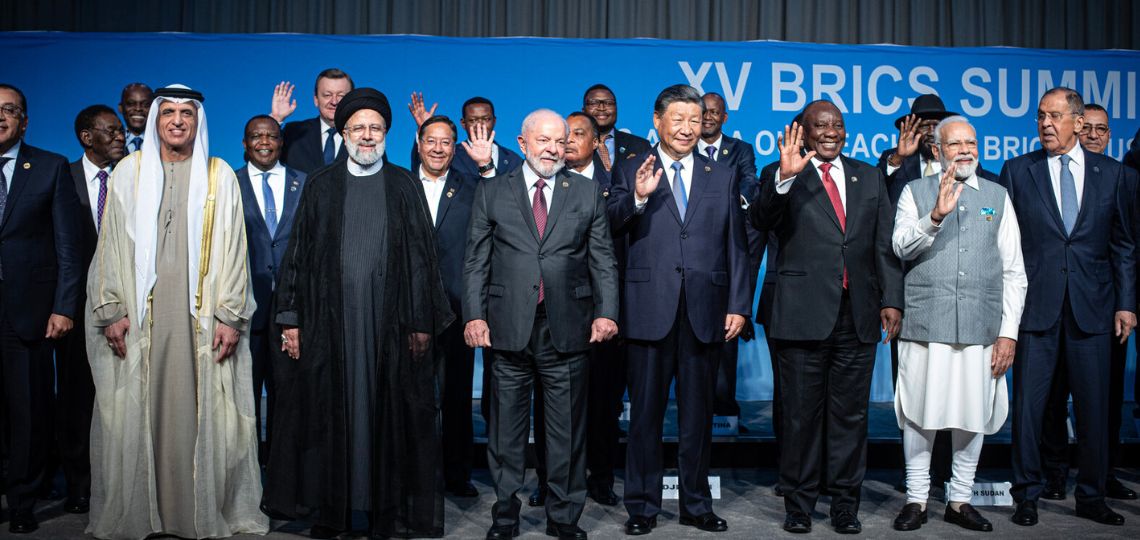
Vladimir Putin has announced the strengthening of energy alliances between Russia, the BRICS and OPEC+, with the aim of stabilizing the global energy market, despite the sanctions imposed by the West in response to the conflict in Ukraine.
Eni is in advanced discussions with KKR to sell 20% of its biofuels subsidiary Enilive.
Other investors, such as Stonepeak, are showing an interest in a new stake.
Natural gas producers are urging Kamala Harris to clarify her position on LNG exports and industry regulation, while uncertainty persists over political decisions relating to hydraulic fracturing.
Belgium is pushing the European Union to adopt a coordinated ban on imports of Russian liquefied natural gas (LNG), arguing for a legal basis to speed up the phase-out of fossil fuels from Russia.
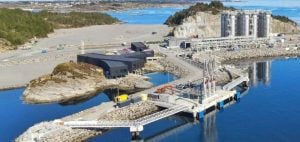
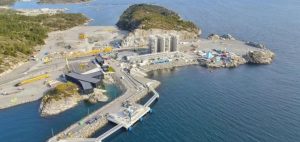
Norway has launched the world's first commercial CO2 transport and storage service, marking a milestone in the management of industrial emissions in Europe thanks to the Northern Lights project.
SNPC and GNPC have signed a strategic agreement to strengthen their collaboration in the oil and gas sectors, with a particular focus on energy infrastructure development and energy transition.
Technip and JGC Corporation have been commissioned to carry out the engineering for the Rovuma LNG project, an important milestone in the finalization of the project.
The aim is to lay the foundations for a final investment decision expected in 2025.
Eni, the Italian oil company, is launching new exploration activities in Libya's Ghadames Basin, with the aim of exploiting under-exploited oil resources despite the country's political instability.
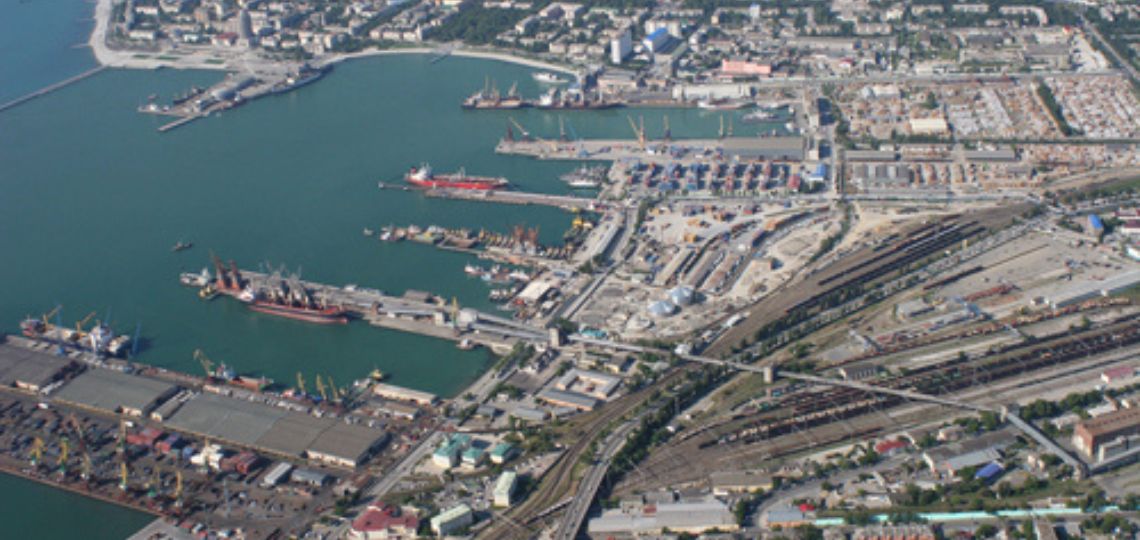
The Stockholm Arbitration Court's rejection of Ziyavudin Magomedov's claim against Transneft closes a major dispute surrounding the strategic port of Novorossiisk.
This decision illustrates the legal tensions in the Russian energy sector.
Libya, torn between its eastern and western factions since 2014, has reached a crucial agreement to appoint new leadership to the Central Bank.
This agreement, announced on September 25, 2024, could be decisive in unblocking a crisis situation that is paralyzing the country's economy and its oil sector, the state's main source of revenue.
The development of renewable energies in Europe is creating imbalances on electricity grids.
Without an increase in battery storage capacity, these imbalances risk slowing down the energy transition.
BRICS energy ministers focus on the future of global energy markets, highlighting the de-dollarization of trade, despite the challenges of currency fluctuations and the complexity of oil trade.
Faced with dwindling water reserves, Brazil is stepping up its purchases of liquefied natural gas to maintain power generation, increasing pressure on the global LNG market this winter.
The Johan Castberg field launches a new phase of exploration in the Arctic, vital for Europe's gas future in the face of declining resources in the North Sea.
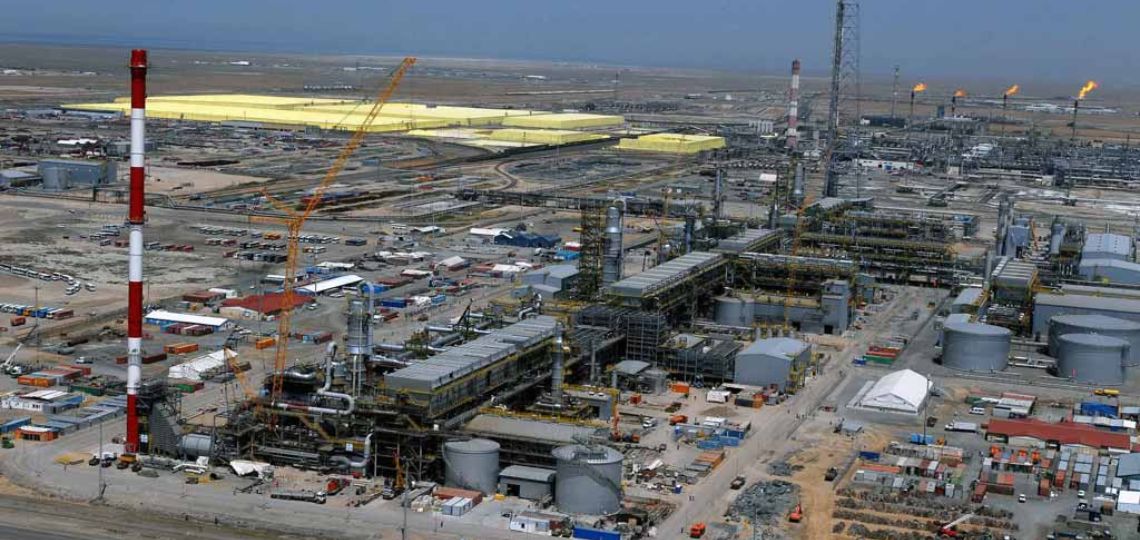
Kazakhstan maintains its OPEC+ obligations despite a planned increase in production from its Tengiz field in 2025.
The Kazakh authorities are closely monitoring market developments to adjust their strategy.
Geothermal energy in the Paris region, which has been well established since the 1980s, is proving to be a reliable and economical solution for district heating, limiting dependence on fossil fuels and ensuring long-term price stability.
Norway launches the world's first commercial CO2 transport and storage service.
The project could transform emissions management for hard-to-decarbonize industries.