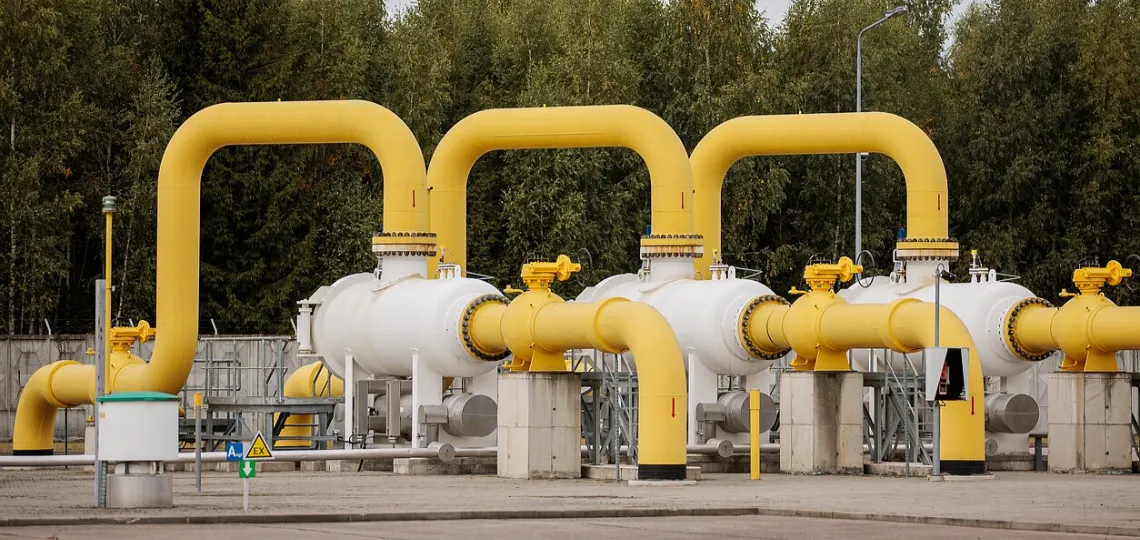
Pipeline natural gas deliveries from Russia to the European Union dropped by 44% in 2025, reaching their lowest level in five decades following the end of transit via Ukraine.
Amber Grid has signed an agreement to maintain gas transit to Russia’s Kaliningrad exclave, with a daily capacity cap of 10.5 mn m³ until the end of 2030, under a framework regulated by the European Union.
Ankara confirmed new Russian funding for the Akkuyu project, Turkey’s first nuclear site, strengthening its energy ties with Moscow and advancing its domestic nuclear ambitions.
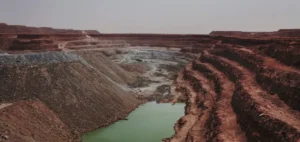
Niger’s military regime disputes theft allegations by French prosecutors after uranium stock vanished from a nationalised site previously operated by Orano.
Rosatom successfully completed a series of tests on its high-temperature gas-cooled reactor fuel, validating its performance at up to 1,700 °C under prolonged irradiation conditions.
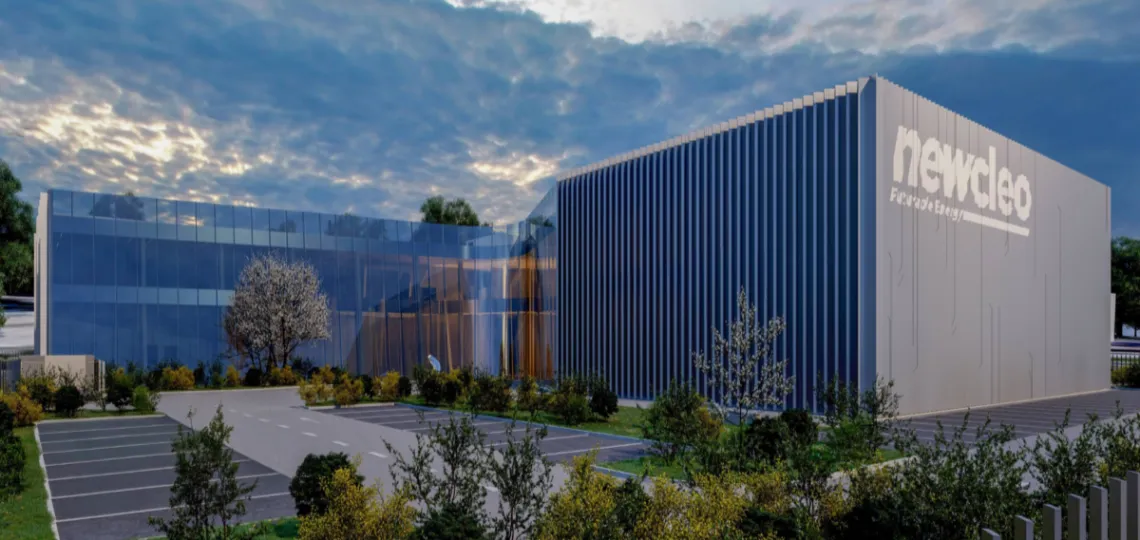
French nuclear reactor developer Newcleo has submitted its lead-cooled small modular reactor design to Euratom, initiating the first regulatory phase to integrate nuclear non-proliferation safeguards at the European level.
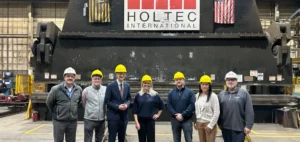
US-based Holtec has signed a memorandum of understanding with Hungary’s energy group MVM to assess the deployment of its SMR-300 technology, strengthening bilateral nuclear cooperation and opening prospects for a new market in Central Europe.
Faced with shorter approval timelines, several European nuclear firms, including Newcleo, Orano and Urenco, are considering relocating key industrial investments to the United States.
The Bulgarian government has increased security around Lukoil’s Burgas refinery ahead of a state-led takeover enabled by new legislation designed to circumvent international sanctions.
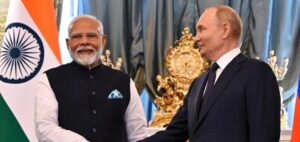
Russia and India are preparing an expanded agreement for the construction of VVER-1200 reactors and modular nuclear power plants, while accelerating work at the strategic Kudankulam site.
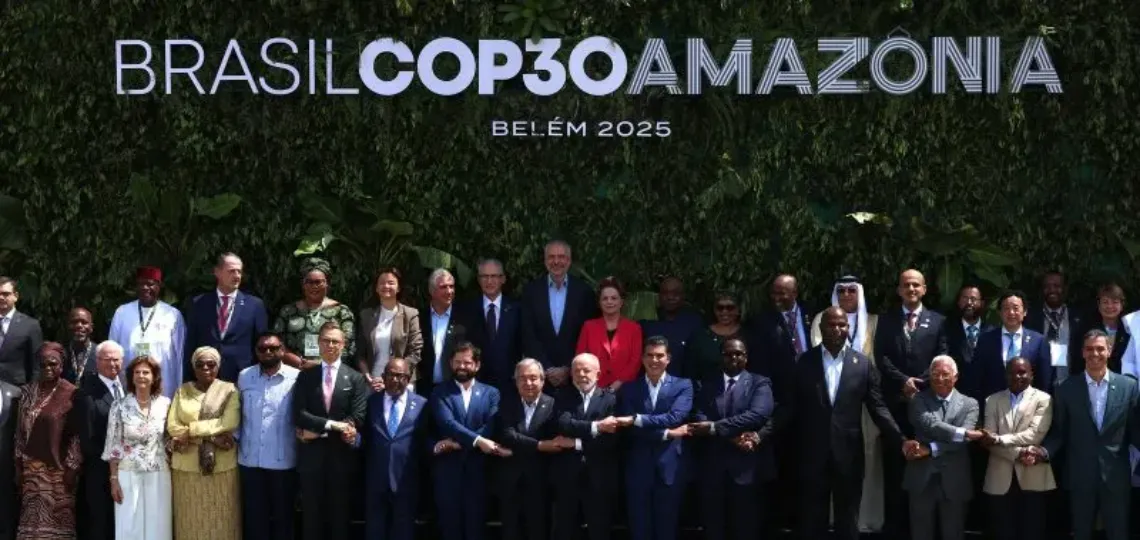
Nineteen countries, led by Brazil, Italy, Japan and India, aim to quadruple sustainable fuel production by 2035, marking a major industrial and regulatory challenge for global energy and transport supply chains.
Appalachia, Permian and Haynesville each reach the scale of a national producer, anchor the United States’ exportable supply and set regional differentials, LNG arbitrage and compliance constraints across the chain, amid capacity ramp-ups and reinforced sanctions.
Faced with US sanctions targeting Lukoil, Bulgaria adopts emergency legislation allowing direct control over the Balkans’ largest refinery to secure its energy supply.
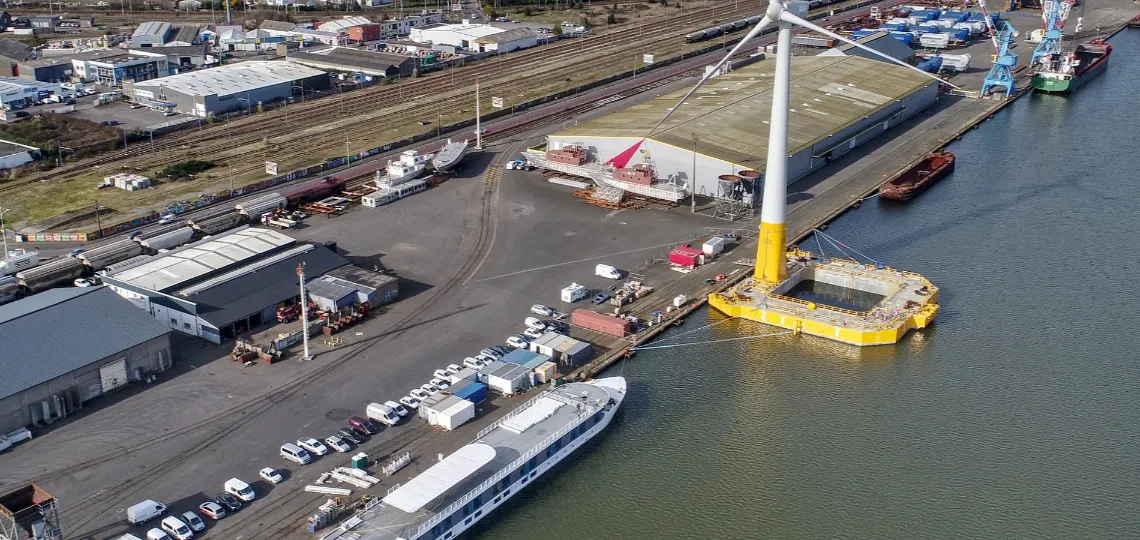
The European Commission has selected BW Ideol’s Fos3F project for a grant of up to €74mn, targeting the construction of a concrete floater plant for floating wind turbines at the industrial site of Fos-sur-Mer.
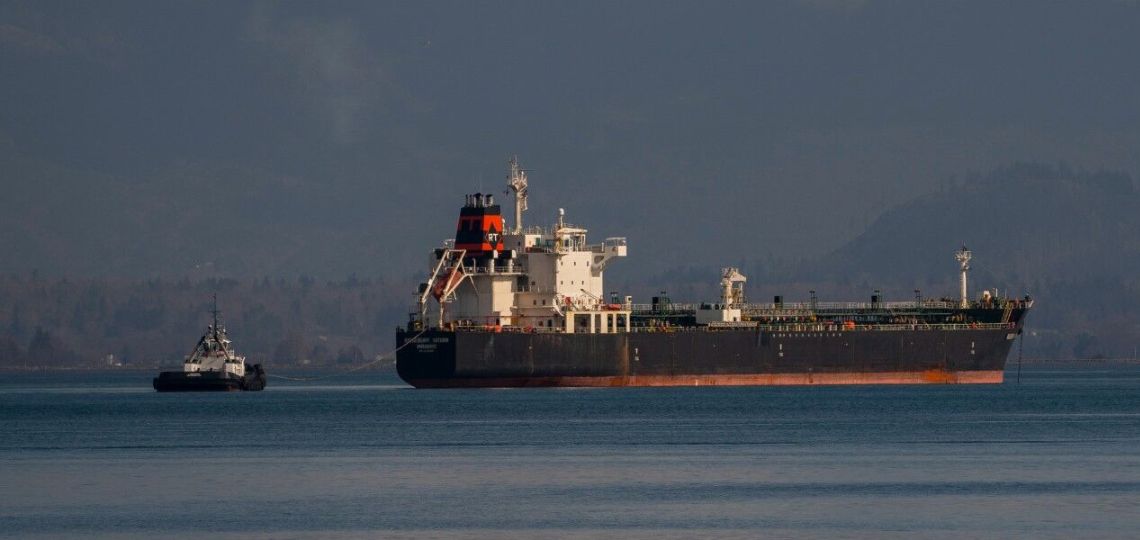
Swiss trader Gunvor has withdrawn its $22bn offer to acquire Lukoil’s international assets after the US Treasury announced it would block any related operating licence.
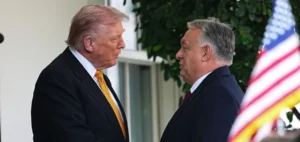
The United States grants Hungary a one-year waiver on sanctions targeting Russian oil, in return for a commitment to purchase US liquefied natural gas worth $600mn.
Engie maintains its 2025 earnings guidance despite falling energy prices and weaker hydro output, relying on its performance plan and a stronger expected fourth quarter.
Commodities trader Gunvor confirmed that the assets acquired from Lukoil will not return under Russian control, despite potential sanction relief, amid growing regulatory pressure.
GreenYellow and Sasol Italy announce the start of construction of a 5.1 MWp photovoltaic solar plant in Terranova Dei Passerini. This project aims to strengthen Sasol’s energy independence in Italy while contributing to the industrial energy transition.
MAN (Volkswagen Group) and E.ON are announcing the installation of 170 electric truck charging stations in Europe, with 400 terminals, by 2025, with the aim of reinforcing an almost non-existent network.
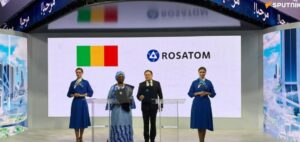
The Malian military junta and Rosatom, a Russian state-owned company, have signed three cooperation agreements, including a project for a low-power nuclear power plant.
Russian defense giant Rostec has successfully tested armored plates to protect critical infrastructure from drone attacks. These innovations are designed to secure sensitive energy installations.
Germany's Initiative Energien Speichern (INES) warns that reductions in gas demand will be necessary despite high storage levels before the winter of 2024-2025.
Muroosystems Corp of Japan announces the acquisition of Nukem Technologies Engineering Services, specializing in nuclear decommissioning and waste management. This operation marks a turning point after years of geopolitical challenges.
Austria is setting up a commission to assess the risks and opportunities of breaking its contract with Gazprom and withdrawing from Russian gas by 2027.
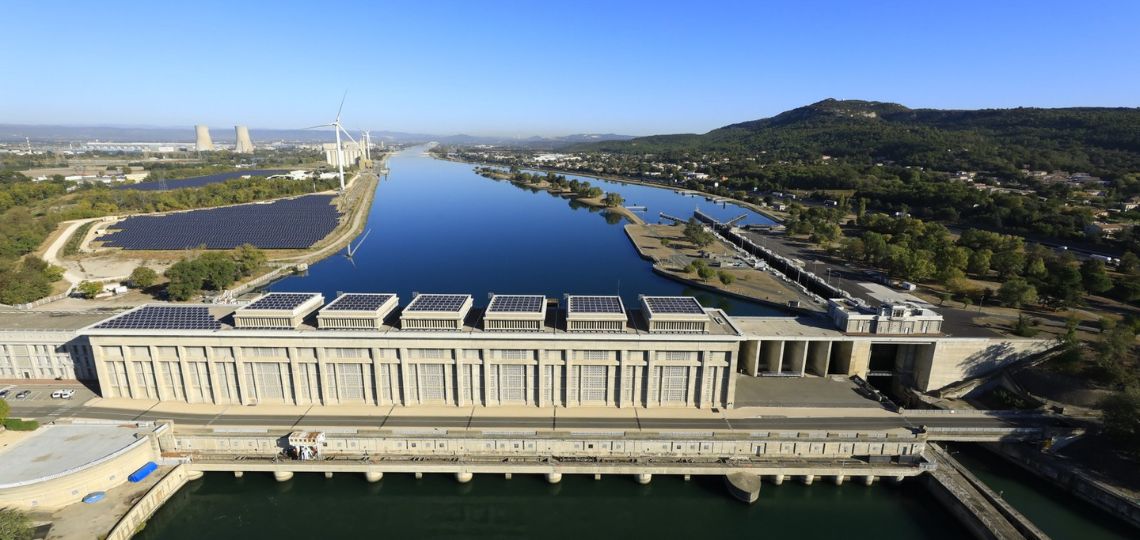
Global hydropower is set to rise sharply in 2024, after a five-year decline, reducing the use of fossil fuels. The main producing regions, such as China, Brazil and the United States, recorded significant increases.
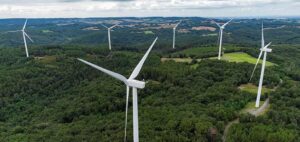
Hundreds of gigawatts of wind power projects are awaiting permits to connect to the European grid, slowing down the transition to green energy, reports WindEurope.
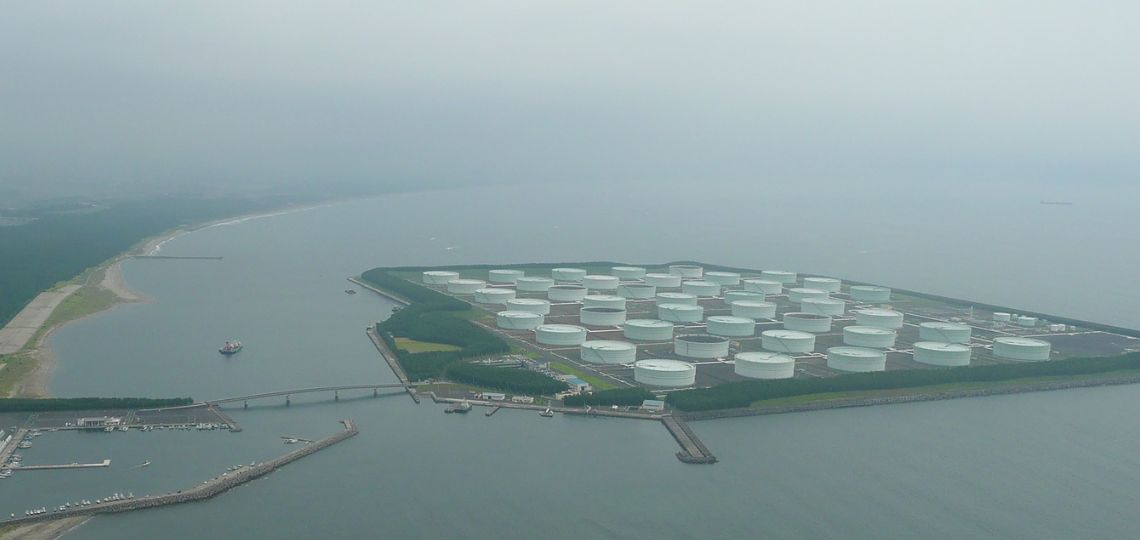
China has ordered its oil companies to add 60 million barrels of oil to its strategic reserves, according to Vortexa and commercial sources, to ensure security of supply.
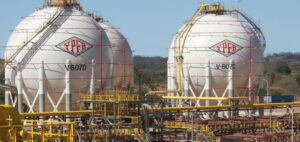
YPFB, Bolivia's state-owned energy company, is seeking investment and help from Russia to offset falling oil and gas production, while at the same time trying to improve investment conditions.
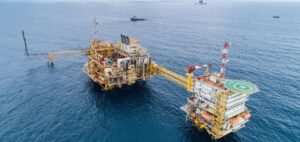
Nigeria approves the sale of Eni and Equinor oil assets, enabling Oando and Chappal to strengthen their local presence. These transactions mark a significant turning point in the country's oil sector.
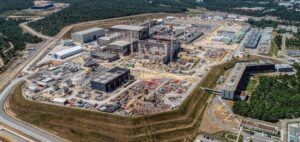
The ITER project, which aims to revolutionize energy through nuclear fusion, has been delayed by eight years, with additional costs estimated at several billion euros.
NHOA, an Italian player in energy storage, is the focus of particular attention from the Italian government following the announcement of a takeover bid by Taiwan Cement Corp (TCC).