In New York, Chevron outlines its long-term vision following the Hess integration, focusing on financial stability, spending reduction, and record production to consolidate investor confidence.
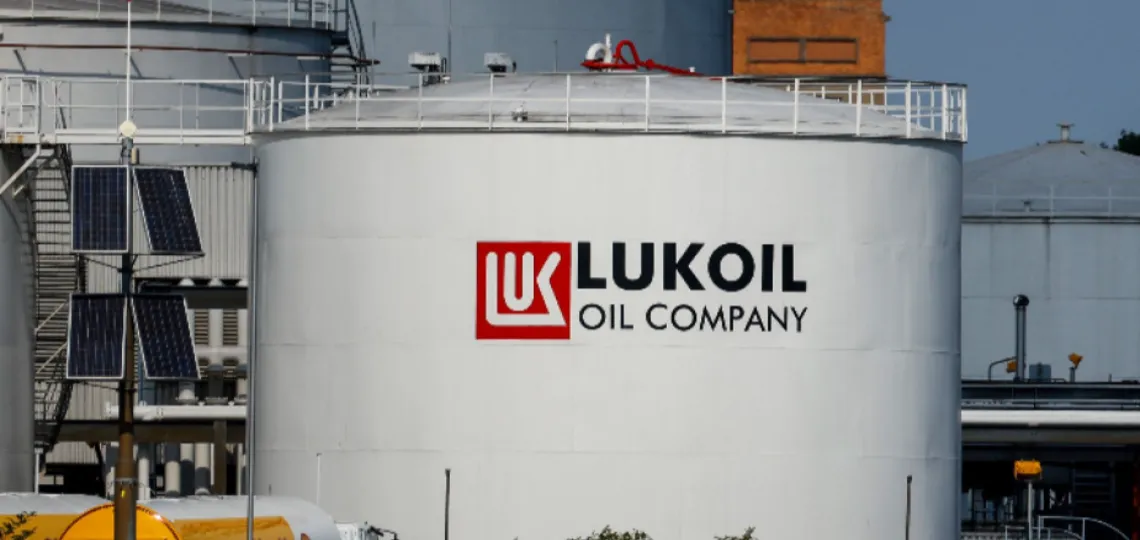
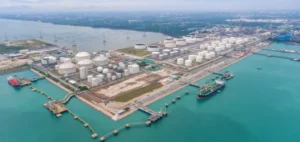
The Bulgarian government has increased security around Lukoil’s Burgas refinery ahead of a state-led takeover enabled by new legislation designed to circumvent international sanctions.
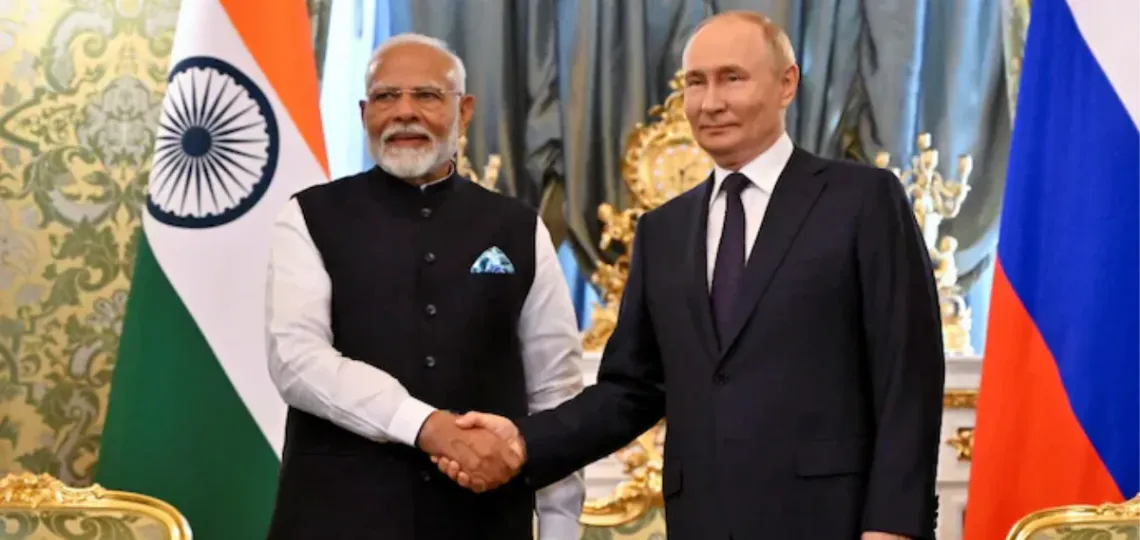
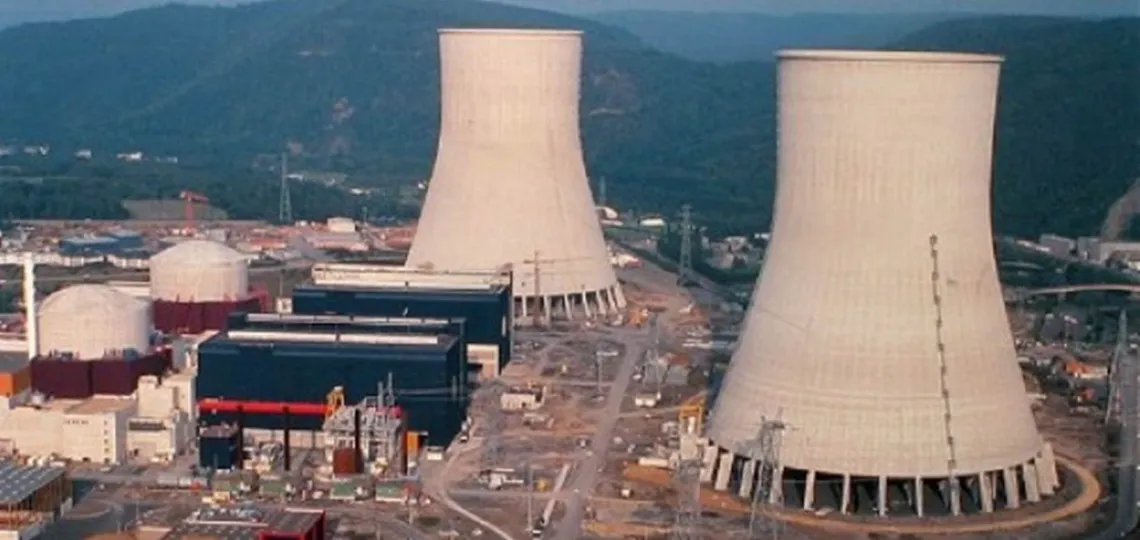
Russia and India are preparing an expanded agreement for the construction of VVER-1200 reactors and modular nuclear power plants, while accelerating work at the strategic Kudankulam site.
The United States secures a tungsten joint venture in Kazakhstan and mining protocols in Uzbekistan, with financing envisaged from the Export-Import Bank of the United States and shipment routed via the Trans-Caspian corridor.
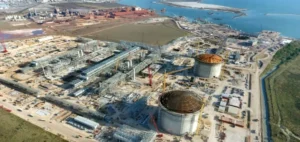
Appalachia, Permian and Haynesville each reach the scale of a national producer, anchor the United States’ exportable supply and set regional differentials, LNG arbitrage and compliance constraints across the chain, amid capacity ramp-ups and reinforced sanctions.
Faced with US sanctions targeting Lukoil, Bulgaria adopts emergency legislation allowing direct control over the Balkans’ largest refinery to secure its energy supply.
Swiss trader Gunvor has withdrawn its $22bn offer to acquire Lukoil’s international assets after the US Treasury announced it would block any related operating licence.
The United States grants Hungary a one-year waiver on sanctions targeting Russian oil, in return for a commitment to purchase US liquefied natural gas worth $600mn.
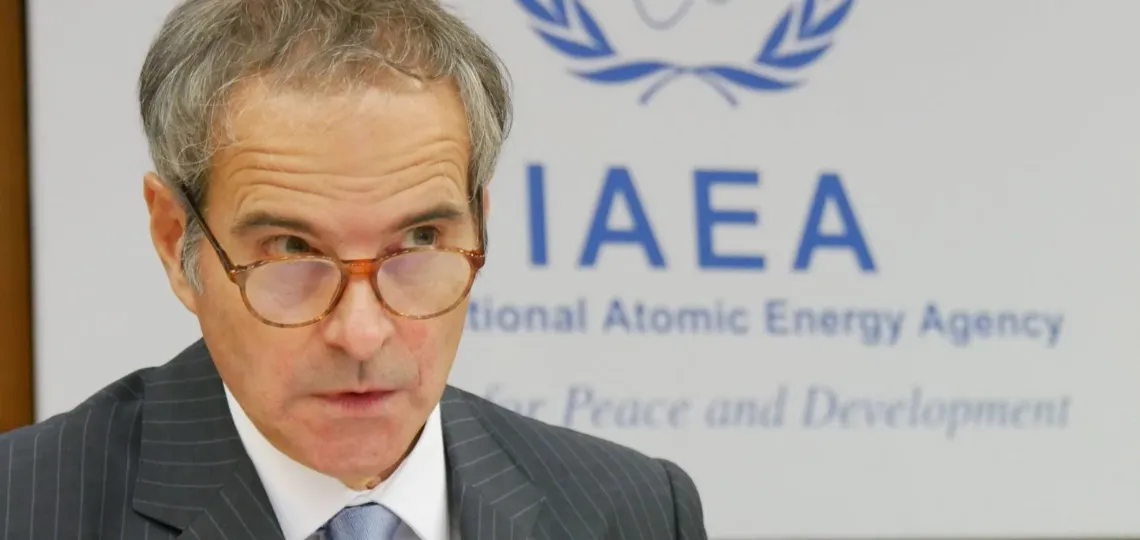
The International Atomic Energy Agency denounces the ongoing inspection blockage at several damaged Iranian nuclear facilities, where stocks of highly enriched uranium remain.
Commodities trader Gunvor confirmed that the assets acquired from Lukoil will not return under Russian control, despite potential sanction relief, amid growing regulatory pressure.
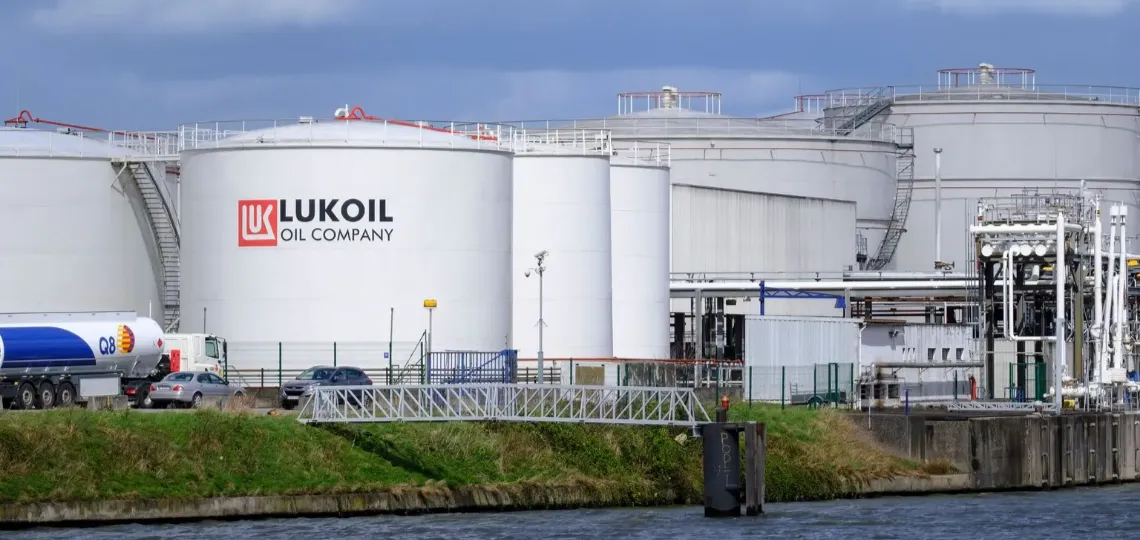
Sanctions imposed by the U.S. and the U.K. are paralyzing Lukoil's operations in Iraq, Finland, and Switzerland, putting its foreign businesses and local partners at risk.
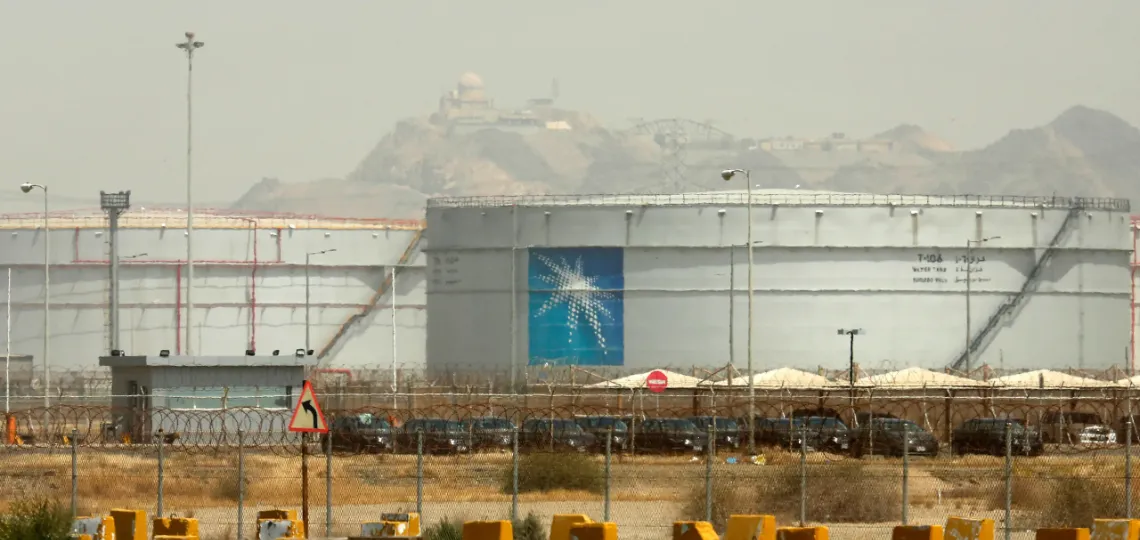
Aramco reported a 2.3% decrease in its net profit for the third quarter, amid global economic uncertainties and an oversupply of oil, although its adjusted earnings showed a slight increase.
Les nominations du Trans Adriatic Pipeline progressent à Melendugno, Nea Mesimvria et Komotini, signalant davantage d’offre pipeline et une flexibilité accrue pour les expéditeurs face aux arbitrages avec le gaz naturel liquéfié.
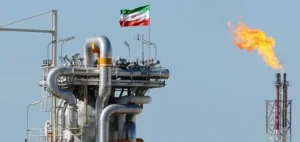
Iran deploys 12 contracts and plans 18 more to recover 300 MMcf/d, inject 200 MMcf/d into the network, and deliver 800,000 tons/year of LPG, with an announced reduction of 30,000 tons/day of emissions.
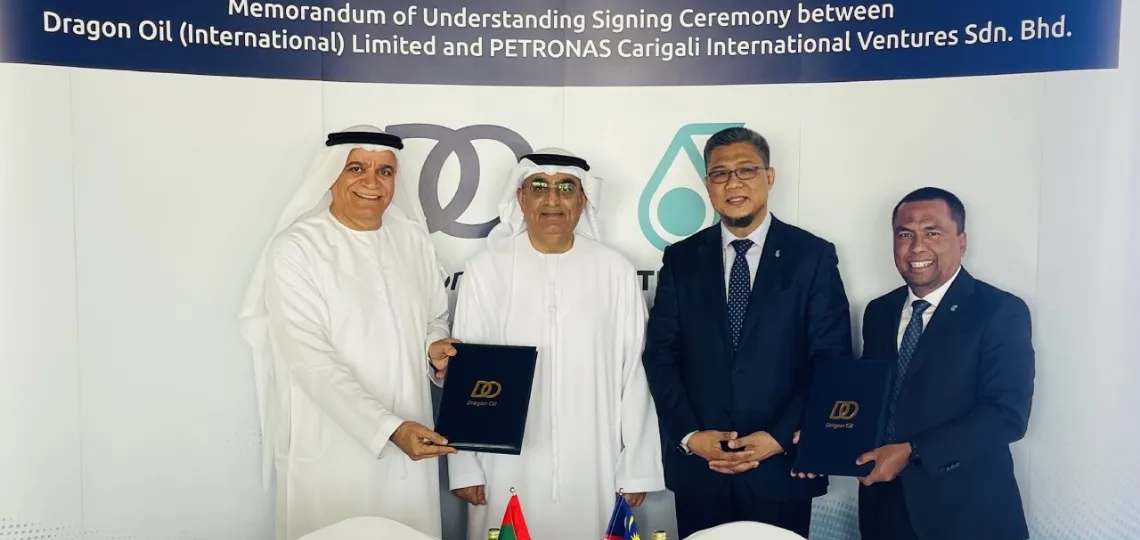
Dragon Oil, a subsidiary of Emirates National Oil Company, partners with PETRONAS to enhance technical and commercial cooperation in oil and gas exploration and production.
The gradual ban on Russian cargoes reshapes European flows, increases winter detours via the Northern Sea Route and shifts risk toward force majeure and “change of law,” despite rising global capacity.
—
Sofia temporarily restricts diesel and jet fuel exports to safeguard domestic supply following US sanctions targeting Lukoil, the country’s leading oil operator.
Swiss trader Gunvor will acquire Lukoil’s African stakes as the Russian company retreats in response to new US sanctions targeting its overseas operations.
The United States has issued a general license allowing transactions with two German subsidiaries of Rosneft, giving Berlin until April 2026 to resolve their ownership status.
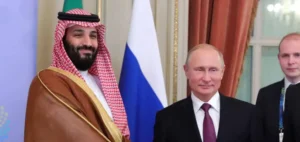
Trade between Russia and Saudi Arabia grew by over 60% in 2024 to surpass USD 3.8 billion, according to Russian Minister of Industry and Trade Anton Alikhanov, who outlined new avenues for industrial cooperation.
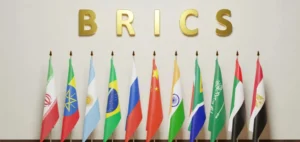
Meeting in Rio, BRICS nations urge global energy market stability, openly condemning Western sanctions and tariff mechanisms in a tense economic and geopolitical context.
Saudi Aramco increases its oil prices for Asia beyond initial expectations, reflecting strategic adjustments related to OPEC+ production and regional geopolitical uncertainties, with potential implications for Asian markets.
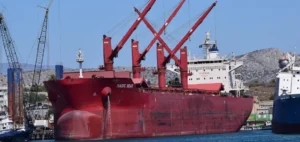
A bulk carrier operated by a Greek company sailing under a Liberian flag suffered a coordinated attack involving small arms and explosive drones, prompting an Israeli military response against Yemen's Houthis.
Major oil producers accelerate their return to the market, raising their August quotas more sharply than initially expected, prompting questions about future market balances.
Cairo is stepping up connection works for the planned 4,800 MW El-Dabaa nuclear plant, developed with Rosatom, to feed the grid from 2026 with output equal to about seven % of national electricity.
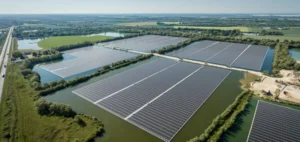
Emerging economies from the BRICS group now account for more than half of global solar electricity production in 2024, driven mainly by China, India, and Brazil, according to a new report by the organisation Ember.
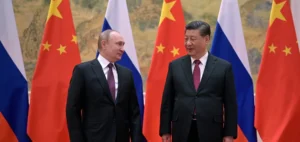
Despite strong ties, Iran's dependence on oil revenues limits its ability to secure substantial strategic support from Russia and China amid current international and regional crises, according to several experts.
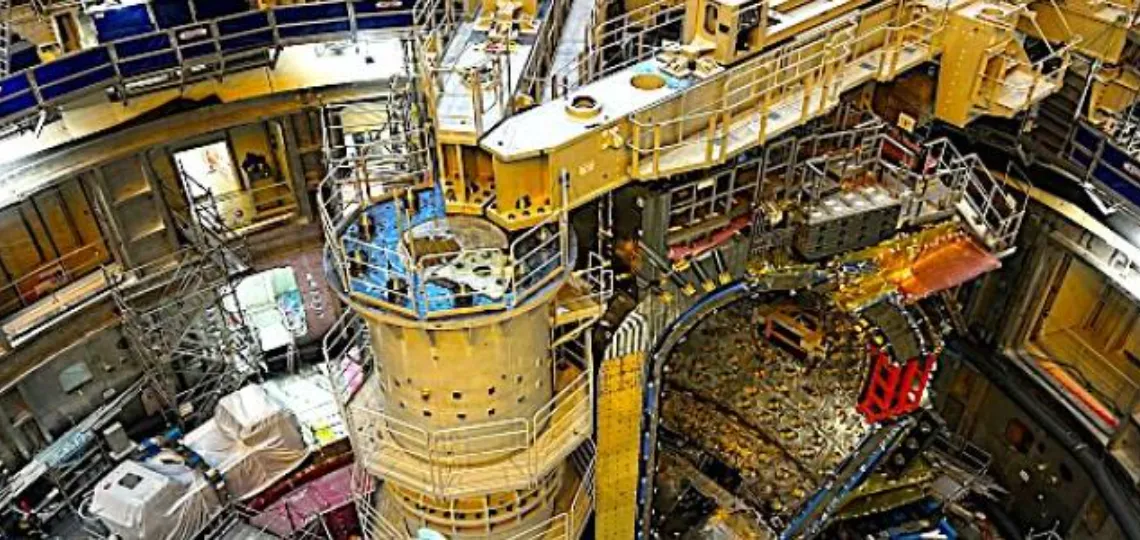
Westinghouse Electric Company signs a $180mn contract with ITER Organization to complete the final assembly of the vacuum vessel for ITER’s experimental nuclear fusion reactor, currently under construction in Cadarache, southern France.
Orlen announces the definitive halt of its Russian oil purchases for the Czech Republic, marking the end of deliveries by Rosneft following the contract expiry, amid evolving logistics and diversification of regional supply sources.
The anticipated increase in the tax deduction rate may encourage independent refineries in Shandong to restart fuel oil imports, compensating for limited crude oil import quotas.
The European Union extends gas storage regulations by two years, requiring member states to maintain a minimum fill rate of 90% to ensure energy security and economic stability amid market uncertainties.
The International Atomic Energy Agency expresses concerns over Iran’s enriched uranium stockpiles following the abrupt suspension of inspections at key sites disrupted by recent attacks whose consequences remain uncertain.
The Russian company InterRAO anticipates a 4% annual reduction in electricity exports, primarily impacted by a significant decrease in shipments to China due to limited hydroelectric production and rising domestic demand.
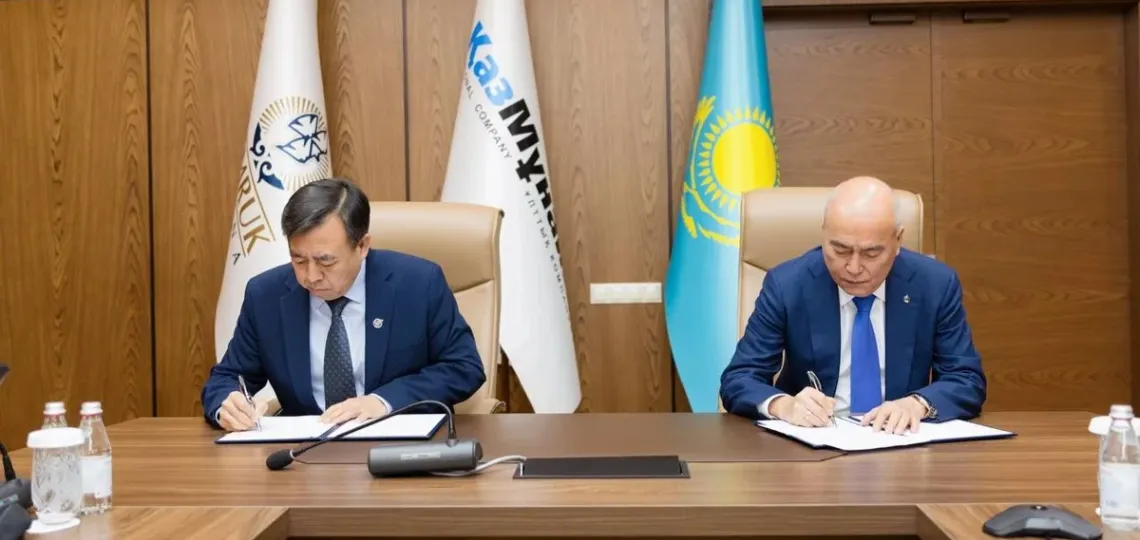
CNOOC Limited’s Hong Kong subsidiary and KazMunayGas have concluded a nine-year exploration and production contract covering nine hundred and fifty-eight square kilometres in Kazakhstan, sharing investment and operations equally.
Donald Trump announced that the United States will no longer oppose Chinese purchases of Iranian oil, immediately triggering a drop in global crude oil prices and profoundly reshaping international energy trade partnerships.
Budapest and Bratislava jointly reject the European Commission's proposal to ban Russian energy supplies, highlighting significant economic risks and a direct threat to their energy security, days ahead of a key meeting.
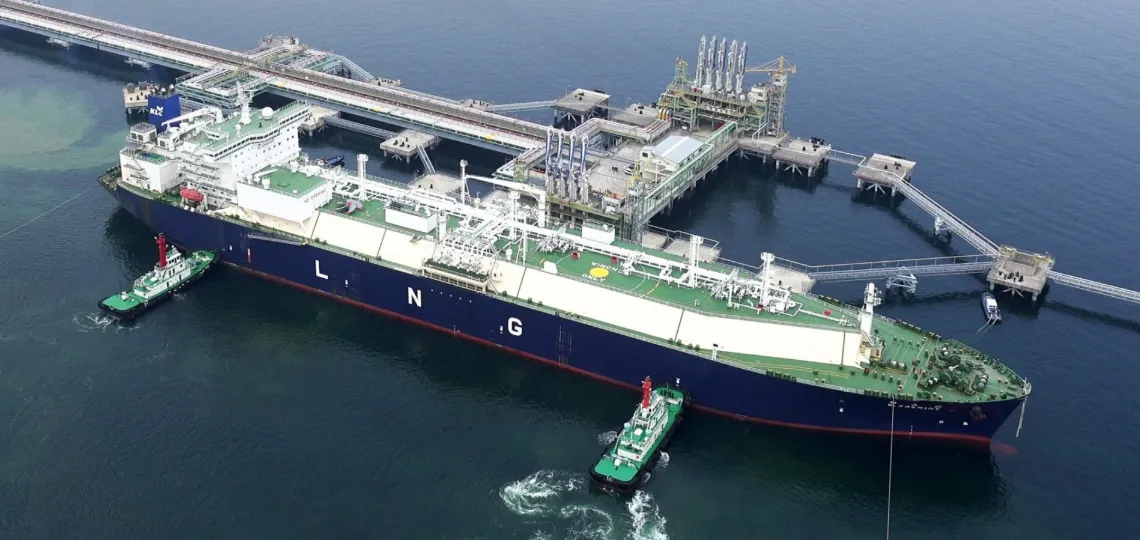
South Korea abandons plans to lower electricity rates this summer, fearing disruptions in liquefied natural gas supply due to escalating geopolitical tensions in the Middle East, despite recent declines in fuel import costs.
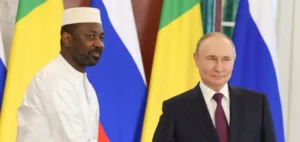
Russia strengthens its economic presence in Mali with new agreements, notably in nuclear energy and gold refining, consolidating strategic cooperation within a rapidly evolving geopolitical context.
Following US strikes in Iran, international energy companies partially evacuate their teams from Iraq as a precaution, while Lukoil maintains its entire personnel on southern oilfields.