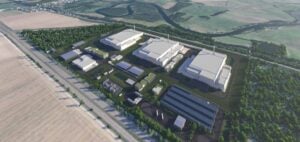
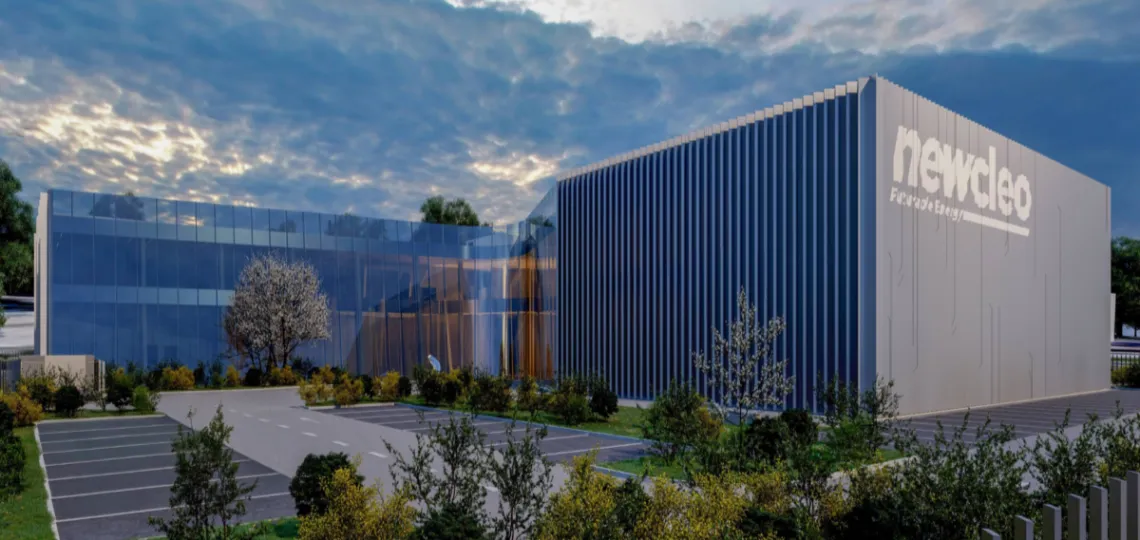
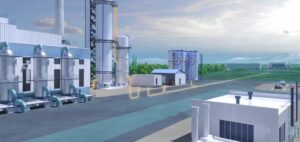
French nuclear reactor developer Newcleo has submitted its lead-cooled small modular reactor design to Euratom, initiating the first regulatory phase to integrate nuclear non-proliferation safeguards at the European level.
French state utility EDF has increased the maximum estimated cost for building six new nuclear reactors to €72.8 billion ($85.29 billion), representing a 40% rise over the original figure.
The government has postponed the release of the new Multiannual Energy Programme to early 2026, delayed by political tensions over the balance between nuclear and renewables.
The Council of State has cancelled the authorisation to exploit coalbed methane in Lorraine, citing risks to the region's main aquifer and bringing an end to a legal battle that began over a decade ago.
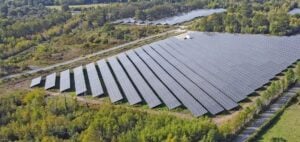
Technique Solaire has secured €40mn ($43.5mn) in junior debt from BNP Paribas Asset Management to structure two solar portfolios totalling 392 MWp across France, Spain and the Netherlands.
Independent power producer Neoen has secured six agrivoltaic projects totalling 124 MWp, reinforcing its position as the leading winner in French solar tenders since 2021.
As the photovoltaic industry enters a phase of deep restructuring, the duel between TOPCon 4.0 and heterojunction technologies is redefining manufacturers’ margins. In 2026, reducing production costs becomes the primary strategic lever for global market leaders.
The Paris Council awards a €15bn, 25-year contract to Dalkia, a subsidiary of EDF, to operate the capital’s heating network, replacing long-time operator Engie amid political tensions ahead of municipal elections.
Faced with shorter approval timelines, several European nuclear firms, including Newcleo, Orano and Urenco, are considering relocating key industrial investments to the United States.
TotalEnergies has tasked Vallourec with supplying tubular solutions for drilling 48 wells as part of its integrated gas project in Iraq, reinforcing their ongoing industrial cooperation on the Ratawi field.
Framatome will produce TRISO fuel at Romans-sur-Isère as part of a pilot project for advanced nuclear reactors, in partnership with actors such as Blue Capsule Technology.
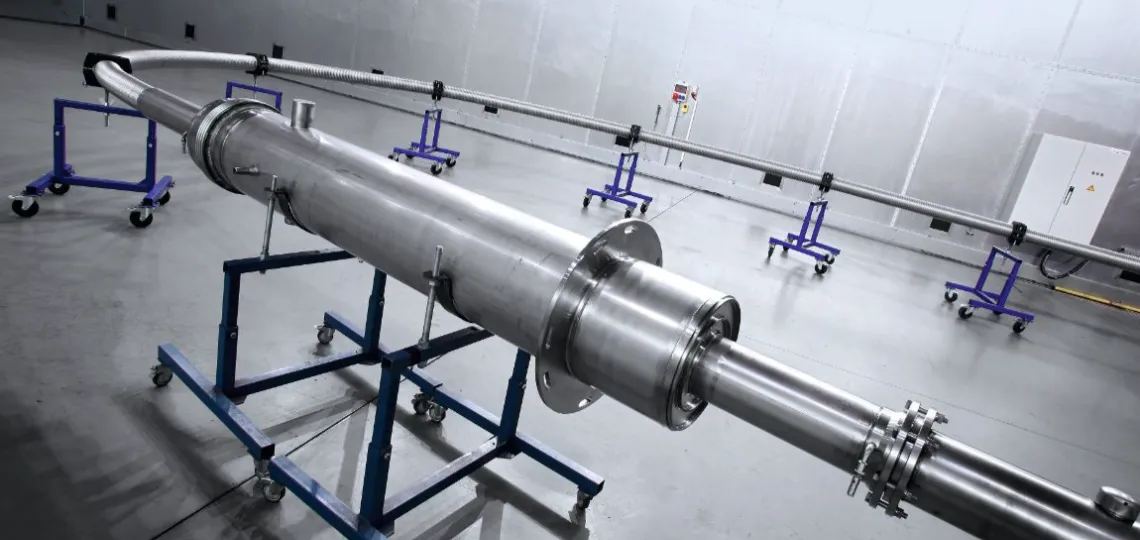
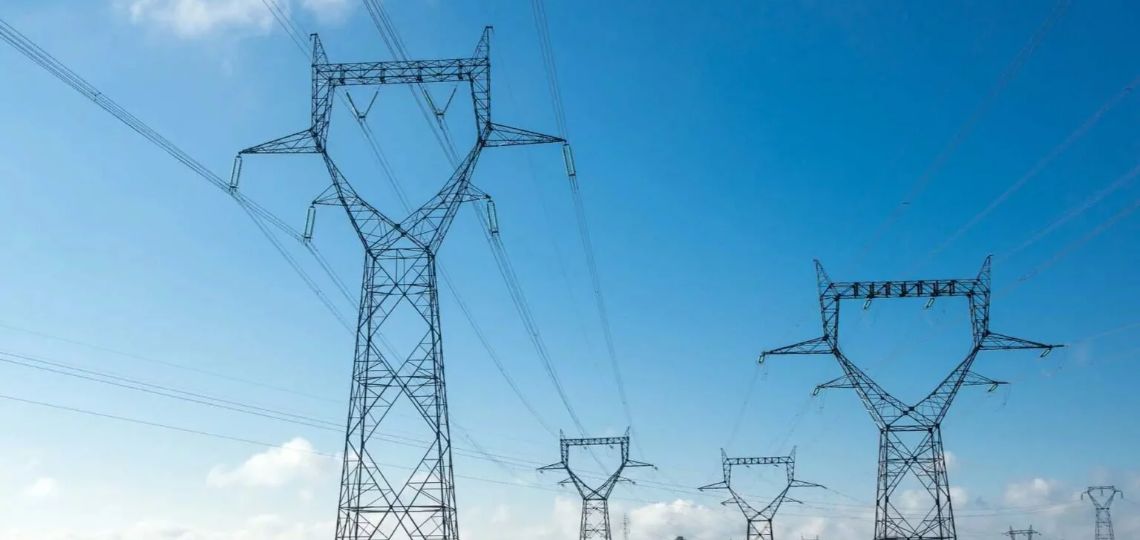
The consortium brings together Air Liquide, RTE, Nexans, ITP Interpipe and CentraleSupélec to develop a demonstrator for offshore electricity transport using superconducting cables cooled with liquid nitrogen.
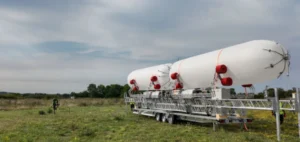
French start-up Wind fisher unveils a pioneering airborne wind system capable of producing twice as much electricity as a ground-based turbine by tapping into powerful winds above 300 metres.
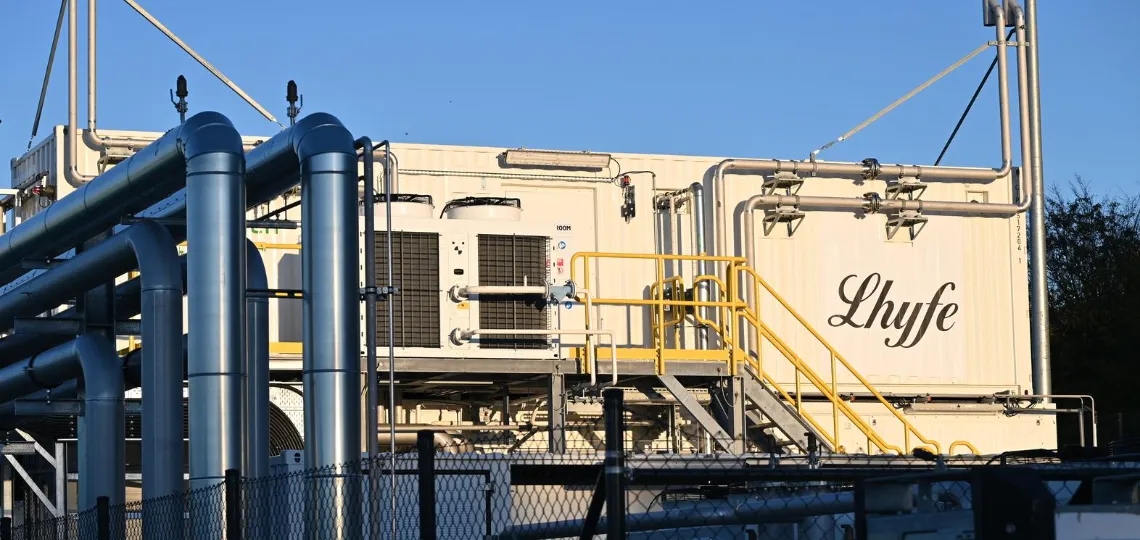
French hydrogen producer Lhyfe has signed an agreement to supply 90 tonnes of RFNBO-certified hydrogen to a private fuel station operator in Germany for a fleet of buses.
The Canadian energy producer led the tenth wind tender launched by the CRE, with two projects representing 13% of the allocated capacity, strengthening its strategic position in the French market.
The European Commission has selected BW Ideol’s Fos3F project for a grant of up to €74mn, targeting the construction of a concrete floater plant for floating wind turbines at the industrial site of Fos-sur-Mer.
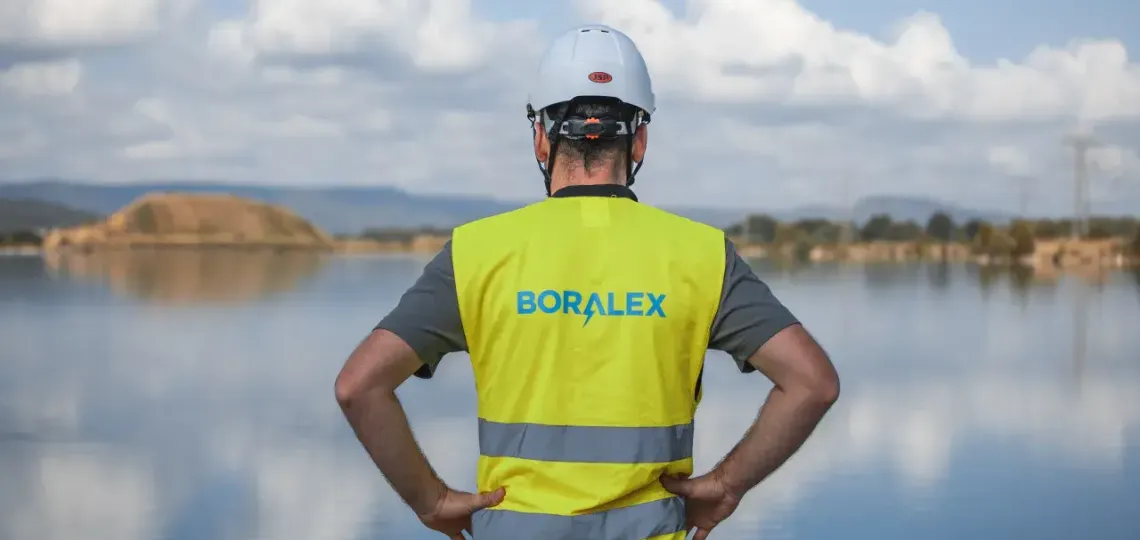
Canadian company Boralex reported a net loss of CAD30mn in the third quarter, impacted by lower electricity prices in France and adverse weather conditions in North America.
French nuclear group Orano has confirmed the release of its representative in Niger, detained since May, as tensions remain high with the country’s junta over control of uranium assets.
A pilot project backed by the state aims to modernise electricity transport between offshore wind farms and the mainland grid using superconducting cables cooled with liquid nitrogen.
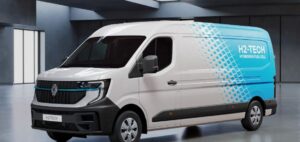
Hyvia, Renault's hydrogen utility vehicle joint venture, has been placed in liquidation due to the slow adoption of the market and the high development costs associated with hydrogen technologies.
The Orano group faces a difficult restart of its mining operations in Niger after losing control of its subsidiaries. The restart of the Somaïr mine could take nearly two years due to political tensions with the local junta.
Schneider Electric announced exceptional financial results for 2024, driven by strong demand in energy management and data centre sectors, despite a decline in its industrial automation business.
The lawsuit filed by three NGOs and eight plaintiffs accusing TotalEnergies of involuntary manslaughter and harm to biodiversity has been dismissed by the French judiciary, citing insufficient evidence of infractions.
Nexans, a major player in cable production, benefits from strong demand linked to infrastructure electrification, contributing to the growth of its financial results.
Orano reports a threefold increase in annual profit, driven by strong Japanese demand and rising uranium prices. The company benefits from a robust recovery in its uranium supply contracts.
Lénéo, a major player in the energy sector, has announced a biogas production project at the former Tereos distillery site in Morains, a development that meets the growing demand for renewable energy.
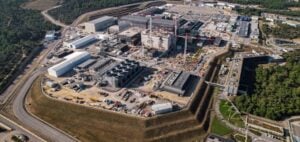
French researchers have achieved a new milestone in fusion experiments by recording a world record for plasma confinement duration, a crucial step toward harnessing fusion energy.
Siemens Gamesa announces a €200 million investment to expand its Le Havre factory. The goal: to produce longer and more powerful wind turbine blades to remain competitive against China, the global leader in the sector.
France’s imports of liquefied natural gas (LNG) from Russia surged by 81% between 2023 and 2024, reaching €2.68 billion. With its extensive port infrastructure, France has become the primary entry point for Russian LNG into Europe, marking a shift in the market landscape.
France proposes the creation of a European Decarbonization and Electrification Bank to support industrial companies facing the costs of energy transition. The project, backed by Bercy, aims for long-term financing and will be discussed at upcoming European Council meetings.
Paris supports maintaining regulated electricity tariffs for households and very small businesses despite criticism from the Competition Authority. A report sent to Brussels highlights their role in stabilizing the market.
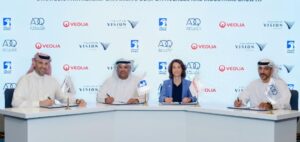
Veolia has signed an agreement with Emirati oil company Adnoc to streamline water consumption at its industrial sites. This strategic partnership aims to improve resource management and aligns with the French group’s expansion strategy in the Middle East.
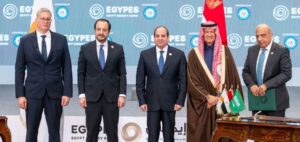
TotalEnergies and ENI have reached an agreement with Cyprus and Egypt to develop the Cronos gas field. This initiative aims to convert the resources of Block 6 into liquefied natural gas (LNG) for the European market, utilizing existing Egyptian infrastructure.
A network of anti-competitive agreements and corruption surrounding electrification in Réunion is bringing eight individuals and two companies to trial in May. Practices that distorted public tenders have already led to several convictions and financial penalties.
TotalEnergies and Air Liquide are strengthening their partnership in hydrogen in the Netherlands with the construction of two large-capacity electrolyzers. The investment exceeds one billion euros and aims to supply petrochemical platforms with decarbonized hydrogen.
Volocopter, a major player in air mobility, partners with a French company to deploy electric flying taxis in Paris. This strategic partnership aims to transform urban mobility while addressing the economic challenges linked to technological transition.
Europe's energy transition is driving a structural transformation of the electricity grid, exposing the market to new vulnerabilities. A study by Compass Lexecon highlights three strategic levers to ensure supply stability amid geopolitical pressures and market volatility.
BNP Paribas and the European Investment Bank (EIB) sign an agreement to stimulate up to €8 billion in investments in wind energy within the European Union. This initiative strengthens financing for wind projects and supports the European industry in the sector.
The EVASTOCO2 study, led by the Directorate General for Energy and Climate (DGEC), reveals a potential geological CO2 storage capacity in metropolitan France estimated at 4.7 billion tonnes. These estimates align with the national strategy to develop the carbon capture and storage (CCUS) sector.