The removal of two Brazilian refiners and Petrobras’ pricing offensive reshuffle spot volumes around Santos and Paranaguá, shifting competition ahead of a planned tax increase in early 2026.
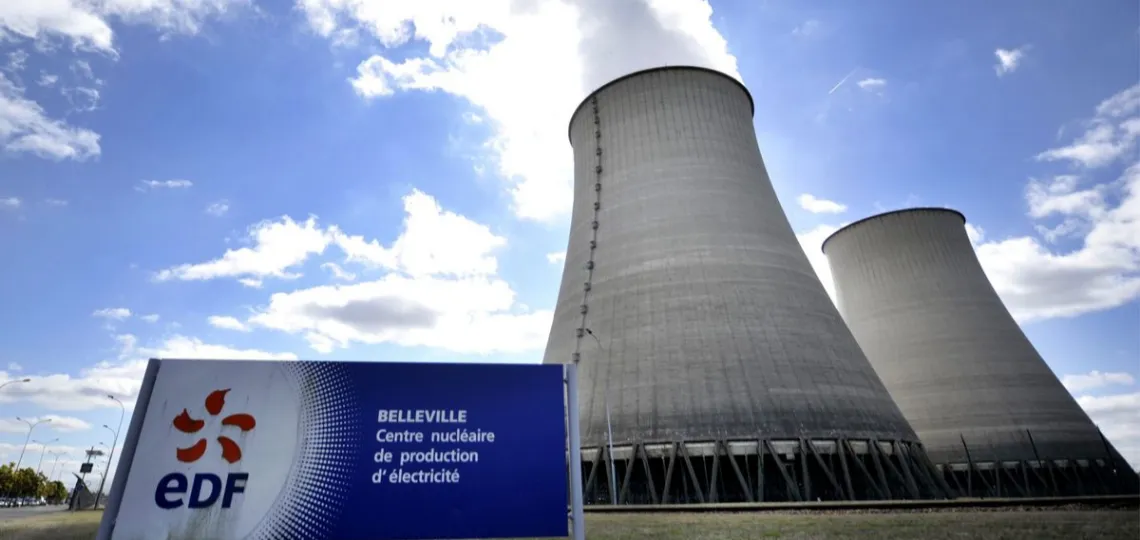
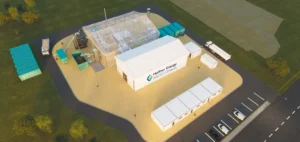
EDF power solutions has inaugurated a hydrogen pilot plant at the Norte Fluminense thermal power plant, with an investment of BRL4.5mn ($882,000), as part of Aneel's R&D programme.
Governor Gavin Newsom attended the COP30 summit in Belém to present California as a strategic partner, distancing himself from federal policy and leveraging the state's economic weight.
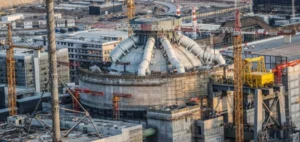
Chinese authorities authorise increased private sector participation in strategic energy projects, including nuclear, hydropower and transmission networks, in an effort to revitalise slowing domestic investment.
In New York, Chevron outlines its long-term vision following the Hess integration, focusing on financial stability, spending reduction, and record production to consolidate investor confidence.
Faced with shorter approval timelines, several European nuclear firms, including Newcleo, Orano and Urenco, are considering relocating key industrial investments to the United States.
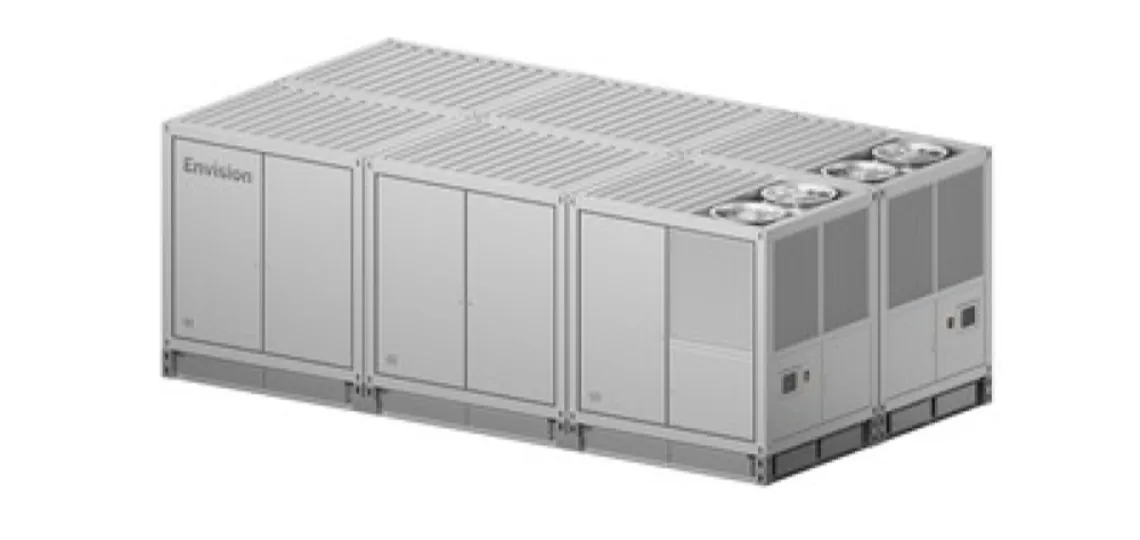
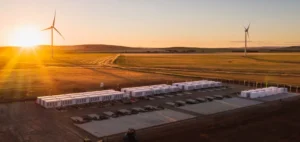
China's Envision Energy will supply a 680MW battery storage system to UK-based Statera Energy as part of the Carrington project, one of the largest in the country to reach financial close.
Chinese group Jinhong Gas finalises a new industrial investment in Spain, marking its first European establishment and strengthening its global strategy in the industrial gas sector.
Driven by the recovery in the raw materials market, CBAK Energy posted a sharp rise in revenue in the third quarter, while its battery business enters a complex industrial transition.
The Chinese giant targets 120 kt of SAF trading in 2025 and expands into European carbon markets, banking on ReFuelEU and CORSIA mandates to capture growing regulated demand.
Nineteen countries, led by Brazil, Italy, Japan and India, aim to quadruple sustainable fuel production by 2035, marking a major industrial and regulatory challenge for global energy and transport supply chains.
À l’approche de la COP30, l’Union africaine demande une refonte des mécanismes de financement climatique pour garantir des ressources stables et équitables en faveur de l’adaptation des pays les plus vulnérables.
COP30 begins in Belém under uncertainty, as countries fail to agree on key discussion topics, highlighting deep divisions over climate finance and the global energy transition.
Global solar and wind additions will hit a new record in 2025, but the lack of ambitious national targets creates uncertainty around achieving a tripling by 2030.
OMS Energy is accelerating investments in artificial intelligence and robotics to position itself in the growing pipeline inspection and maintenance sector, a strategic segment with higher margins than traditional equipment manufacturing.
Ahead of COP30 in Belém, Brazilian President Luiz Inacio Lula da Silva adopts a controversial stance by proposing to finance the energy transition with proceeds from offshore oil exploration near the Amazon.
The Brazilian government is granting new contracts to coal-fired power plants until 2040, illustrating the weight of regulatory decisions and industrial interests in a country predominantly powered by renewable energy.
The COP30 conference hosted in the Amazon by Brazil faces low participation from global leaders, amid geopolitical tensions and major logistical challenges.
The Vilvoorde site in Belgium now hosts 400 MWh of operational capacity on a total 800 MWh project, marking a key milestone for electricity storage on the continent.
China imported an average of 11.5 million barrels of crude oil per day in September, supported by higher refining rates among both state-run and independent operators.
The New Vista vessel, loaded with Abu Dhabi crude, avoided Rizhao port after the United States sanctioned the oil terminal partly operated by a Sinopec subsidiary.
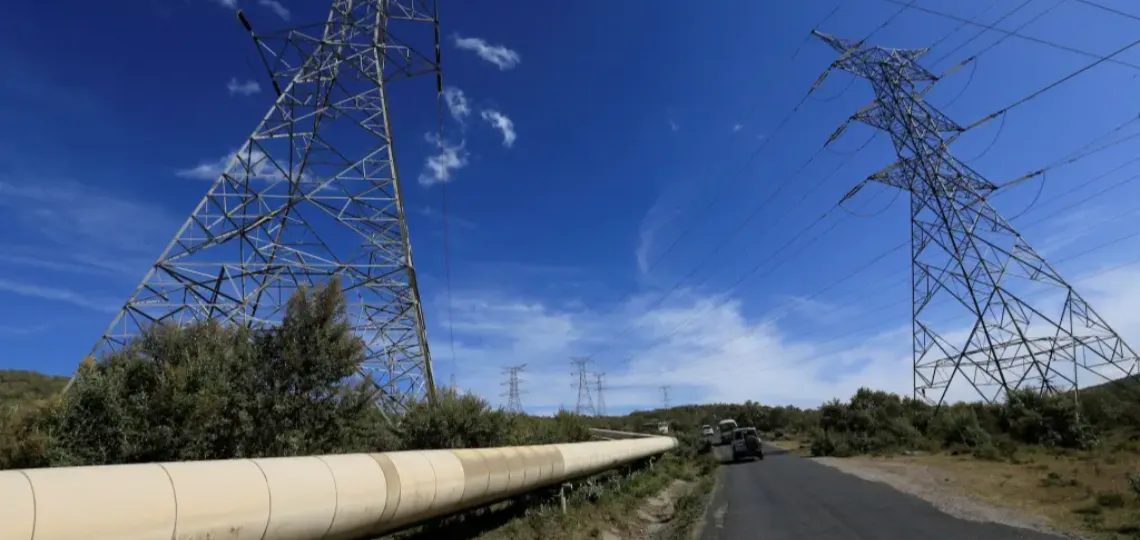
New Delhi plans to allocate INR6.4tn ($77bn) to develop transmission infrastructure for 76 GW of electricity from the Brahmaputra Basin by 2047, amid growing cross-border pressures.
The US Treasury Department has imposed sanctions on more than 50 entities linked to Iranian oil exports, targeting Chinese refineries and vessels registered in Asia and Africa.
The first phase of a green methanol project in Inner Mongolia has successfully completed biomass gasifier technical tests, marking a key milestone in Goldwind's industrial deployment.
Chinese manufacturer Ming Yang plans to build the UK’s largest wind turbine facility in Ardersier, with an initial £750mn investment and up to 1,500 jobs created by 2028.
Maersk and CATL have signed a strategic memorandum of understanding to strengthen global logistics cooperation and develop large-scale electrification solutions across the supply chain.
Import quotas exhaustion and falling demand push Chinese independent refineries to sharply reduce Iranian crude volumes, affecting supply levels and putting downward pressure on prices.
Global demand for biofuels is driving a sharp increase in used oil imports to Europe and the United States, straining global feedstock supply chains, according to the International Energy Agency.
Singapore’s gasoil and kerosene inventories reached a three-month high after a sharp weekly drop in net exports, supported by a marked increase in imports from Northeast Asia.
Amid rising energy costs and a surge in cheap imports, Ineos announces a 20% workforce reduction at its Hull acetyls site and urges urgent action against foreign competition.
ExxonMobil has signed a memorandum of understanding with the Iraqi government to develop the Majnoon oil field, marking its return to the country after a two-year absence.
New Fortress Energy has initiated the initial ignition of its 624 MW CELBA 2 power plant in Brazil, starting the commissioning phase ahead of commercial operations expected later this year.
Green ammonia reaches a new industrial milestone with 428 active projects and over $11bn in investments, highlighting accelerated sector growth across Asia, the Middle East, Europe and the Americas.
According to the International Energy Agency (IEA), global renewable power capacity could more than double by 2030, driven by the rise of solar photovoltaics despite supply chain pressures and evolving policy frameworks.
Driven by rising electricity demand and grid flexibility needs, natural gas power generation is expected to grow at an annual rate of 4.8% through 2030.