Helical Fusion validates global HTS magnet test and launches demonstration device
Japanese company Helical Fusion has successfully tested a high-temperature superconducting magnet in conditions replicating a fusion reactor, initiating construction of its integrated demonstration device.
| Sectors | Fusion Energy, Tokamak |
|---|---|
| Themes | Investments & Transactions, Project Development, Financing |
| Countries | Japan |
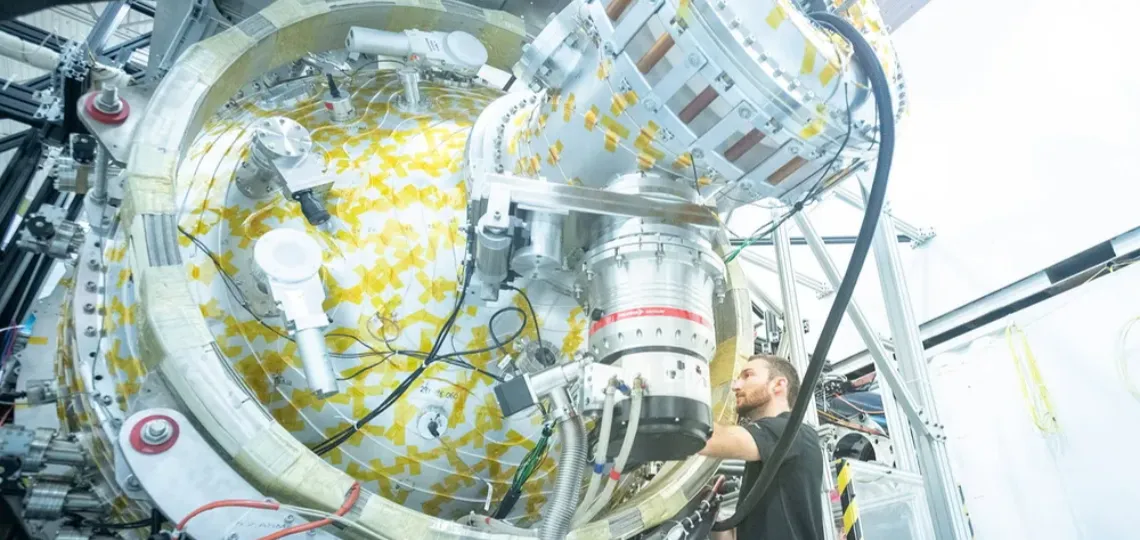
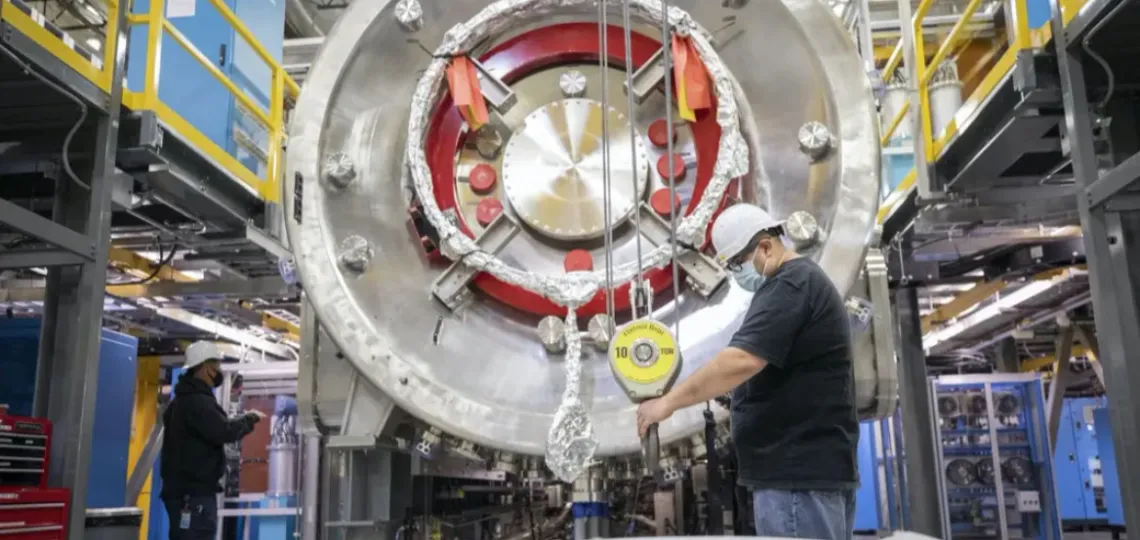
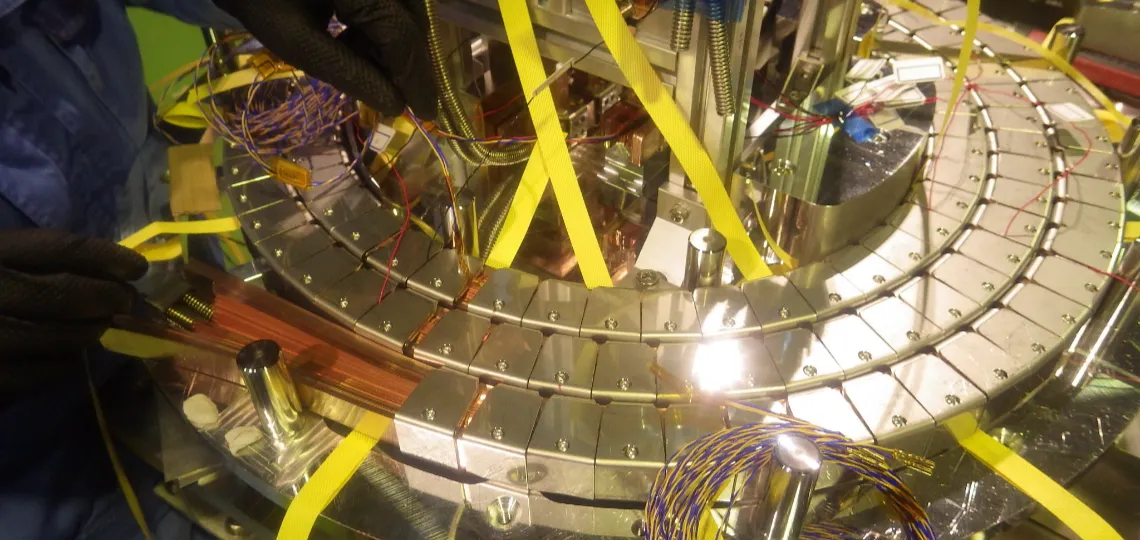
Helical Fusion Co., Ltd. has achieved a major breakthrough in fusion energy development by successfully testing a high-temperature superconducting (HTS) magnet under conditions replicating the magnetic environment of a commercial reactor. This test marks a world first and enables the company to begin construction of its integrated demonstrator, Helix HARUKA.
The test was conducted at the large-diameter, high-field conductor testing facility of the National Institute for Fusion Science (NIFS) in Gifu, Japan. The system sustained a stable current of 40 kA under a 7-tesla magnetic field at a cryogenic temperature of 15 kelvin. This performance establishes the technical requirements to advance the programme toward an integrated demonstration.
Technologies adapted to industrial constraints
Fusion reactors must generate powerful magnetic fields to confine plasma exceeding 100 million degrees Celsius. For industrial use, these systems must remain compact, efficient and reliable. HTS technology has become a key component in meeting these demands.
Helical Fusion employs a large-scale conductor cable designed to meet the spatial and energy constraints of future commercial plants. To date, few companies are capable of designing complete HTS systems suited to real reactor conditions. This achievement confirms the company’s technical expertise in this specialised field.
A partnership backed by the Japanese government
Since its founding in 2021, Helical Fusion has collaborated with NIFS through multiple joint projects. In March 2024, a shared laboratory and research team were established on the NIFS site to accelerate development of HTS magnets and plasma management systems. This public-private cooperation model reflects Japan’s strategic commitment to the fusion sector.
The project is funded by the SBIR Phase 3 programme, Japan’s first national mechanism dedicated to fusion energy, implemented by the Ministry of Education, Culture, Sports, Science and Technology (MEXT). Helical Fusion received a JPY2bn ($13mn) grant, the largest awarded under this programme.
Toward full system integration in the 2030s
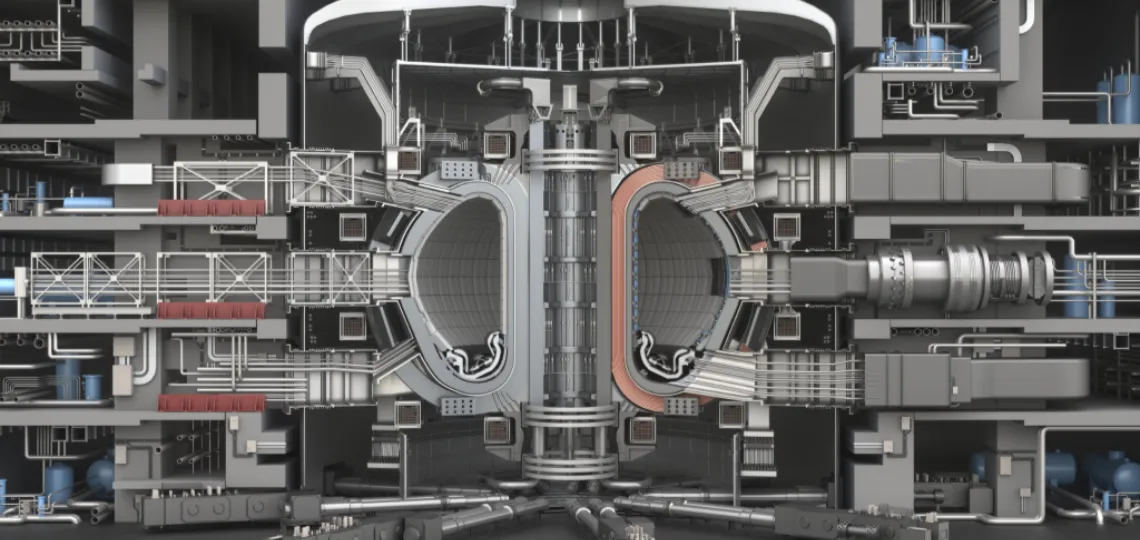
The Helix programme aims to complete testing of its two core technologies — HTS magnets and the blanket/divertor system — by the end of the decade. In the 2030s, the company plans to integrate all systems into the Helix HARUKA device and begin steady-state energy production with the pilot plant Helix KANATA.
With strong links to public institutes, targeted funding and technological developments, Helical Fusion positions itself as a key player in the global race for commercial fusion. The success of this HTS test reinforces its strategy for technological and industrial integration in an emerging market.