China and the Climate: Ambitions and Realities of CO2 Emissions
China, the world’s largest emitter of CO2, oscillates between progress and challenges in its quest to limit global warming.
| Sectors | Marine & Hydraulic Energy, Energy Issues, Carbon, Hydroelectricity |
|---|---|
| Themes | Policy & Geopolitics, Energy Security |
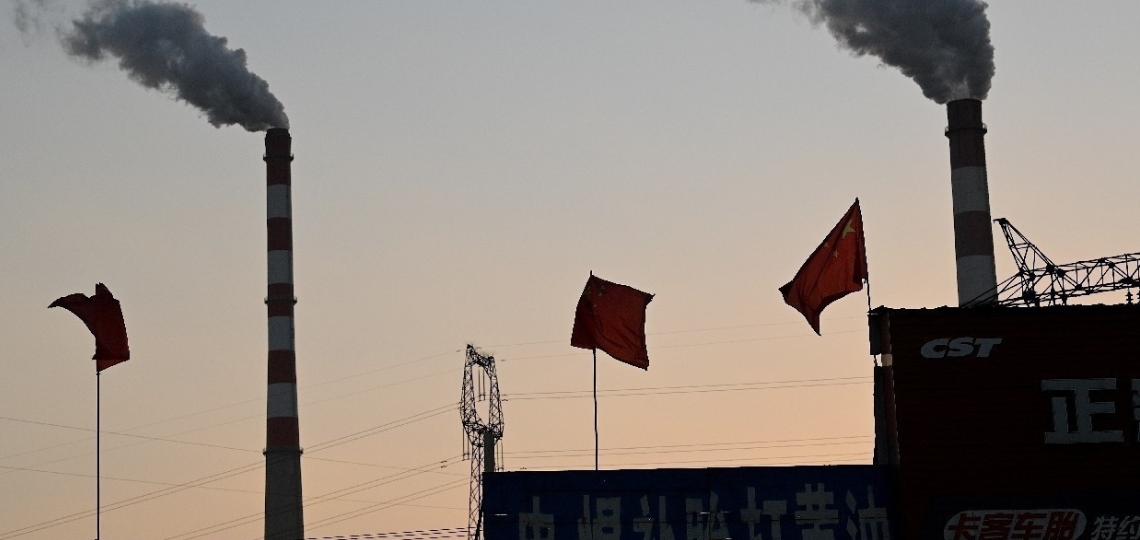
China tops the list of global greenhouse gas emitters, a fact that raises critical questions about its environmental impact. In 2021, China emitted 14.3 billion tonnes of CO2, surpassing all other countries. However, in terms of cumulative emissions, China remains behind the United States. This distinction highlights the complexity of China’s carbon footprint, both in its current scale and in its history.
Main sources of emissions
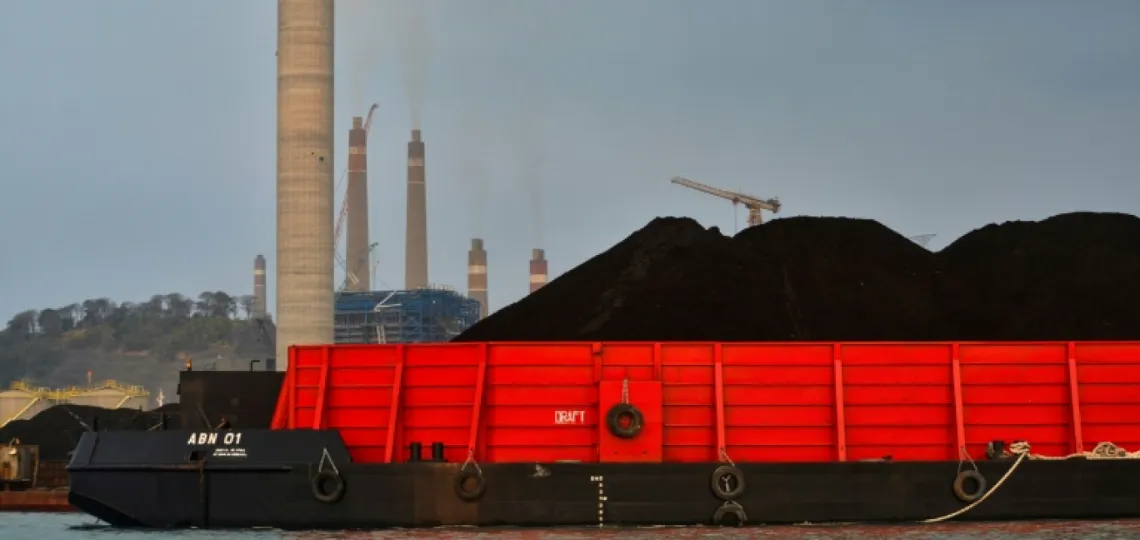
Coal remains the main source of China’s emissions, accounting for 50% of its CO2 and supplying 60% of its electricity. Industry, with 36% of emissions, followed by transport and construction, also makes a significant contribution. This breakdown highlights the energy challenge facing the country, which is caught between its development needs and climate imperatives.
Energy Transition: Progress and Prospects
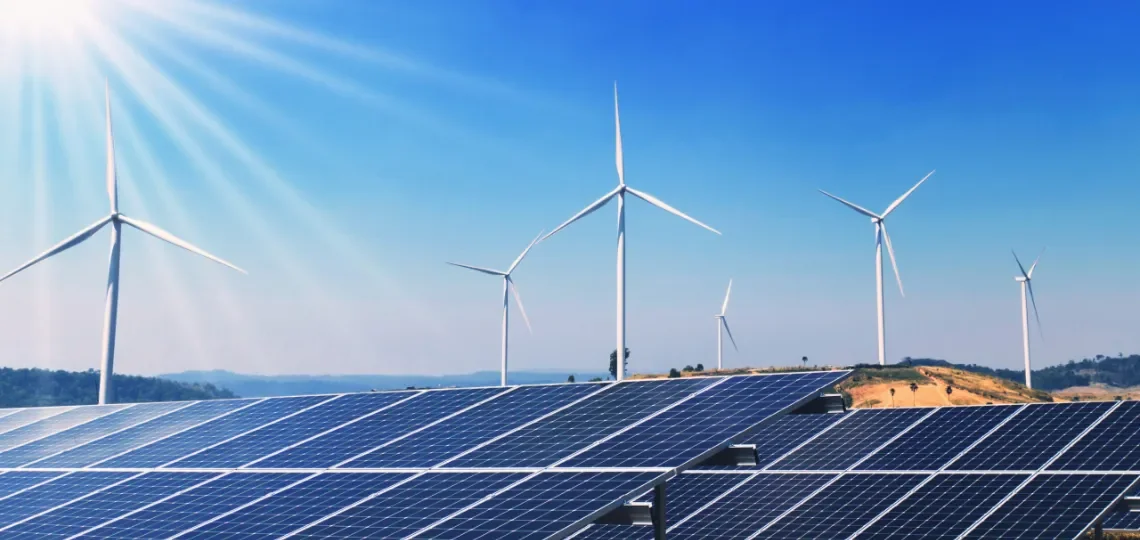
China has embarked on a remarkable energy transition, installing renewable capacity at an unprecedented rate. So far, however, these developments have merely met growing demand without replacing fossil fuel capacity. A positive trend is expected in 2024, with a projected reduction in CO2 emissions thanks to an increase in renewable capacities and a rebound in hydroelectric production.
China’s climate targets
President Xi Jinping has set ambitious targets for China: peak emissions by 2030 and carbon neutrality by 2060. These targets are complemented by commitments to reduce emissions relative to GDP and plans to significantly increase renewable energy production capacity. These initiatives demonstrate China’s commitment to the fight against climate change.
Meeting Remaining Goals and Challenges
According to experts, China is well on the way to achieving its targets, but they lack ambition. A report by the United Nations Environment Programme indicates that China is likely to meet its targets, with more than half of its electricity generation now coming from non-fossil fuel sources. However, rising energy demand and the expansion of coal-fired capacity are threatening the country’s progress. Moreover, China remains cautious about making firm commitments on fossil fuel reduction in international climate negotiations.
China is a crucial player in the global fight against climate change. Its progress in the energy transition and its climate targets show a clear commitment. Nevertheless, challenges remain, particularly in terms of ambition and delivering on promises. China’s journey towards a significant reduction in its emissions is therefore a subject to be followed closely, both for its internal implications and for its global impact.