Cameroon plans ten new 25 MW hydropower plants by 2030
The Cameroonian government plans to build ten low-capacity hydropower plants over the next five years as part of a national programme to strengthen energy infrastructure across the country.
| Sectors | Marine & Hydraulic Energy, Hydroelectricity |
|---|---|
| Themes | Investments & Transactions, Project Finance |
| Countries | Cameroon |
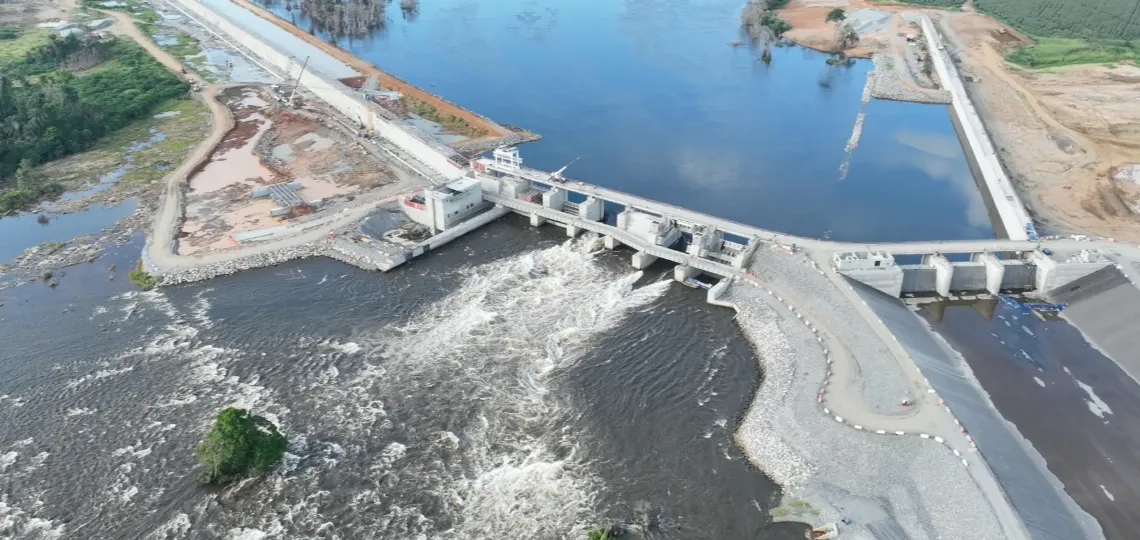
Cameroon plans to build ten new small-scale hydropower plants with a combined capacity of 25 megawatts (MW) by 2030. Each facility, with an individual output of 2.5 MW, is part of the national roadmap outlined in the Compact Énergie national, a strategic document developed by the Cameroonian authorities in collaboration with several international partners.
The programme aims to expand generation capacity while increasing private sector participation. Planning documents are expected in 2026, along with the introduction of investment incentives. Calls for tenders are scheduled for 2027, with construction planned between 2028 and 2030.
Projects integrated into a broader plan
These ten projects are part of a broader national strategy targeting the construction of 50 small hydropower plants across the country. The first such facility, the Mbakaou plant in the Adamaoua region, entered service in April 2022. Initially producing 2.4 MW, with an expandable capacity of up to 4.8 MW, the plant was developed by IED Invest Cameroun at a total cost of XAF4.5bn ($6.97mn).
This investment model could be replicated. BGFI Bank, the main lender for the pilot project, has already expressed its interest in financing further developments. The managing director of the bank’s Cameroonian subsidiary stated his readiness to support the next phases, responding to a call from the Ministry of Water and Energy.
A format adapted to remote areas
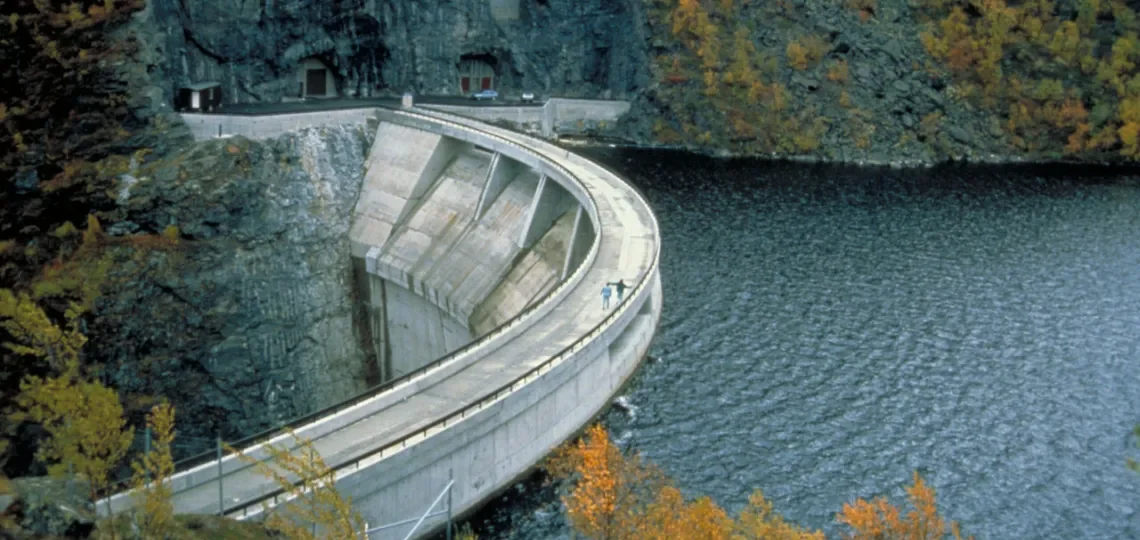
Small hydropower plants, defined as producing less than 10 MW, are typically built in areas with strong hydrological potential. They operate by combining the natural river flow with elevation drops created by dams.
According to energy infrastructure specialists, this type of facility offers strong economic value. With lower construction and operating costs, the plants are more likely to attract investors thanks to reduced unit costs and targeted local returns. These installations also contribute to reducing dependency on centralised energy systems.
Local application underway
The Mbakaou plant, the programme’s first operational unit, now supplies electricity to more than 2,800 households. In addition to rural electrification, the projects generate jobs related to construction, operation and maintenance. Authorities are banking on a regional economic impact through the deployment of these units in remote zones.
The government’s timeline sets a progressive scale-up, with clearly defined steps to secure financing and ensure technical feasibility. The local banking sector is already engaged, while interested private operators will need to position themselves once tenders open in two years.