Brussels takes control of power grids to unlock renewable electricity
The European Commission launches a reform to centralise infrastructure decisions and accelerate permitting in order to unblock renewable capacities currently constrained by grid congestion.

| Sectors | Power Grids, Solar Energy, Wind Energy, Interconnections, Onshore, Photovoltaic |
|---|---|
| Themes | Regulation & Governance, Public Policy |
The European Commission is preparing to intervene directly in the planning of electricity grids to remove barriers slowing the integration of renewable energy. By targeting cross-border interconnections, the EU executive aims to reduce congestion-related losses, improve market stability and strengthen the bloc’s industrial competitiveness. This project is part of the European Grids Package, a legislative initiative to modernise critical infrastructure.
Accelerated permitting and tacit approval principle
The plan introduces an accelerated permitting mechanism for strategic projects, with a maximum processing period of six months. In cases of administrative silence, approval will be granted by default. This measure is designed to bypass delays observed in several Member States, where current timelines block significant capacity. It focuses primarily on transnational infrastructure, particularly high-voltage direct current (HVDC) lines designed to connect remote renewable production areas to consumption centres.
Increasing capacity losses
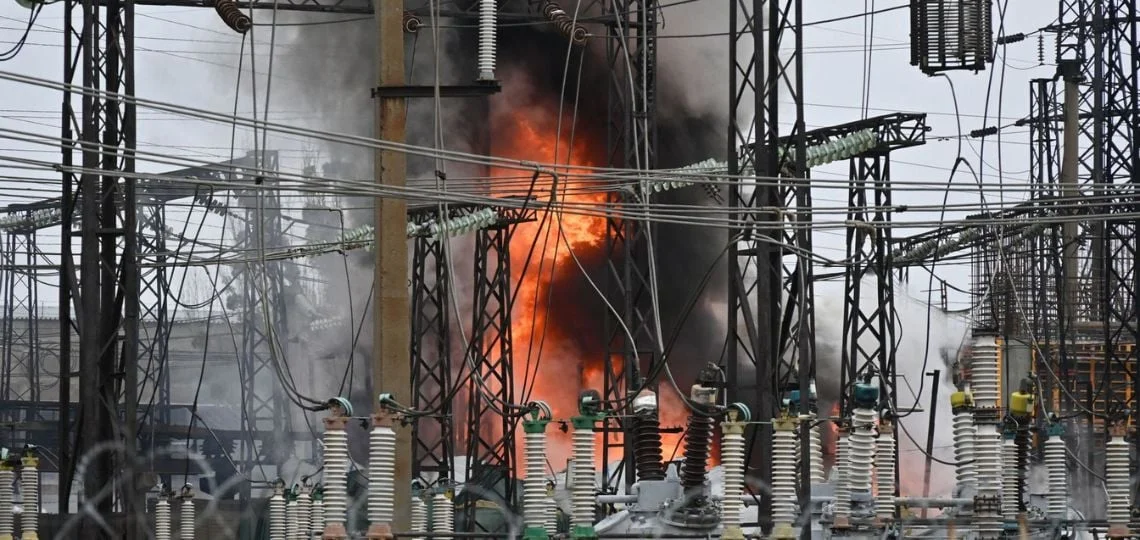
Current limitations in the European electricity grid are constraining several dozen gigawatts of renewable projects. In Spain, Italy and Southeast Europe, many solar and wind parks remain partially or completely disconnected due to a lack of interconnections. This situation causes financial losses for operators and drives up wholesale electricity prices. The Commission estimates that strengthening the grid could reduce system costs by several billion euros.
Recognition of anticipatory investments
The EU executive also plans to allow anticipatory investments in the grid, even in the absence of identified generation projects. This regulatory shift could enable Transmission System Operators (TSOs) to plan long-term extensions in response to the growth outlook for solar, wind and industrial electrification. However, the financing and cost-sharing between Member States remain to be clarified.
Pressure on Member States and market players
The European Commission intends to strengthen its role in defining infrastructure priorities, a responsibility traditionally held by national authorities. This centralisation may trigger resistance, especially in countries reluctant to relinquish energy sovereignty. For operators and developers, the plan offers concrete prospects: frozen projects could be reactivated, and regulatory predictability improved.
Expected impact on prices and industrial attractiveness
The reform also aims to reduce tariff disparities between European regions. By improving electricity flows, particularly between the Iberian Peninsula and the rest of the continent, congestion should decrease, limiting curtailments and price spikes. For energy-intensive industries, this could enhance competitiveness and reduce the risk of relocation.