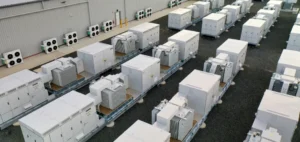
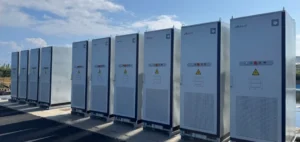
Energy storage, including the HyDUS project developed by EDF UK, is receiving £7.7 million from the BEIS NetZero innovation portfolio.

The aim is to improve the density of energy storage. It addresses one of the main challenges of the UK electricity system, namely managing excess energy and storing it. As a result, EDF Renewables UK is increasingly A consortium led by this HyDUS (Hydrogen in Depleted Uranium Storage) demonstrator on a pilot scale. It will serve the framework of the energy storage demonstrator program at UKAEA’s Culham campus. “We see HyDUS as an exciting energy storage technology that will help decarbonize the national grid. What’s even more exciting is that this is a UK technology and a highly exportable showcase example of how to effectively link technology from the nuclear and fusion sectors to the hydrogen economy, proving that the UK is still a world leader in energy innovation.”
The project a large-scale energy storage program in the UK. Several projects are underway. These include the study the conversion of the Hole House site (cavern gas storage) to compressed air energy storage (CAES).