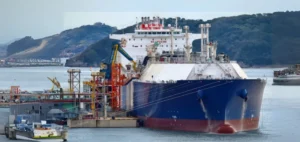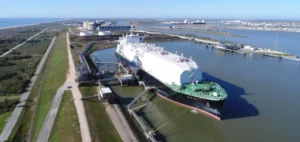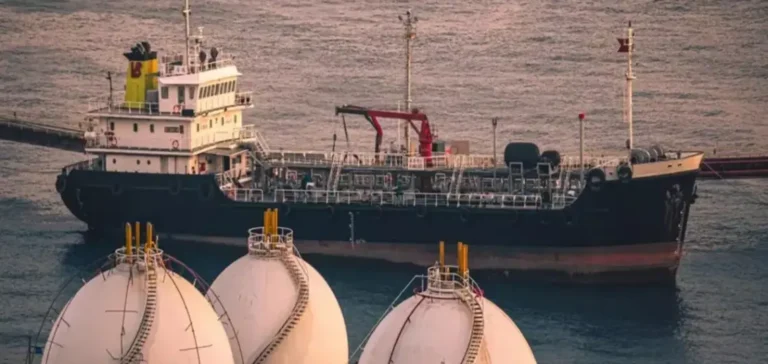

Indian Oil Corporation (IOC) has issued a tender for a spot cargo of liquefied natural gas (LNG) to be delivered to the Dahej terminal on January 20, 2026. The tender closes on December 9, 2025. This move comes in a context of moderate prices around $11/MBtu in Asia, while seasonal demand remains low. It also takes place amid increased scrutiny of supply chains linked to Russia.
An active but cautious spot market in Asia
The Asian LNG spot market has seen high physical activity in recent weeks, although primarily driven by intermediaries rather than end users. Asia’s LNG demand is expected to fall by around 5% in 2025, from 254 Mt to 240 Mt. India has recorded a 7% drop in gas demand over the first five months of the year, directly linked to its industrial sensitivity to price fluctuations. With declining domestic production, imports now cover nearly half of the country’s gas needs.
Dahej at the core of a hybrid sourcing strategy
Although the Dahej terminal is operated by Petronet LNG, IOC concentrates a significant share of its import volumes there. The terminal, which will expand from 17.5 to 22.5 Mt/year by March 2026, allows IOC to absorb additional cargoes at short notice. The company has recently secured several long-term contracts, notably with ADNOC Gas, TotalEnergies, and Trafigura, totalling more than 5 Mt/year from 2026. However, around 40% of India’s projected 2030 LNG demand remains uncontracted, making spot procurement strategically necessary.
Geopolitical pressure around Russian LNG
This spot purchase comes as geopolitical pressure on Russian LNG intensifies. New US sanctions target projects such as Arctic LNG 2 and associated logistics players, making participation in the supply chain more complex for traders. For IOC, a state-owned entity, the legal and financial risks associated with sourcing Russian cargoes are increasingly hard to justify. Prioritising suppliers from the US, Gulf or Africa reduces the exposure to secondary sanctions while maintaining diplomatic balance.
Portfolio optimisation ahead of long-term contract ramp-up
The tender also aligns with a portfolio optimisation logic: IOC has reportedly already purchased a January cargo for around $10.4/MBtu. This level remains competitive relative to JKM. The company may be looking to cover a temporary logistics gap before its multi-year supply commitments begin. Spot purchasing also offers critical flexibility to respond to peak demand in the power or fertiliser sectors, both highly sensitive to subsidies and pricing.
Impacts on supply chain and regional flows
While a single tender may seem minor, it sends a structural signal to the market. It strengthens the West Indian coast’s role as a competitive entry point for Atlantic-origin cargoes. Traders can redirect volumes initially intended for Europe or Northeast Asia towards more flexible buyers. On the maritime side, regulatory constraints are pushing sellers to favour vessels outside the shadow fleet linked to Russian LNG, securing compliant routes to Dahej.
Internal consequences for IOC
The January tender contributes to short-term supply security for critical segments (fertilisers, power), while diversifying pricing exposure in a portfolio indexed to both Brent and Henry Hub. A transparent tender process also bolsters IOC’s reputation among financial and trading partners. It increases visibility over its sourcing strategy, a key governance factor under public scrutiny.
India between energy diversification and geopolitical neutrality
Each such LNG spot deal reinforces India’s role as a “price-sensitive swing buyer” in global markets, capable of supporting demand in times of oversupply and retreating quickly when prices rise. The combination of new contracts with Gulf countries, growing US access and cautious distancing from sanctioned Russian LNG underlines this balanced position. IOC’s tender illustrates how New Delhi navigates its energy security agenda while complying with dominant sanction frameworks.