
The Nordic region is implementing an innovative electricity market model: flow-based market coupling. This energy management model is established by national grid operators – Svenska kraftnät in Sweden, Statnett in Norway, Energinet in Denmark, and Fingrid in Finland – to meet the growing demand for renewable energy. Flow-based coupling relies on a dynamic, optimal distribution of electricity flows, calculated regionally based on the transit capacities of the grid. This strategic shift aligns the Nordic market with the European Union model, promoting price convergence between production and consumption zones.
An Optimized Distribution Suited to Renewable Energy Growth
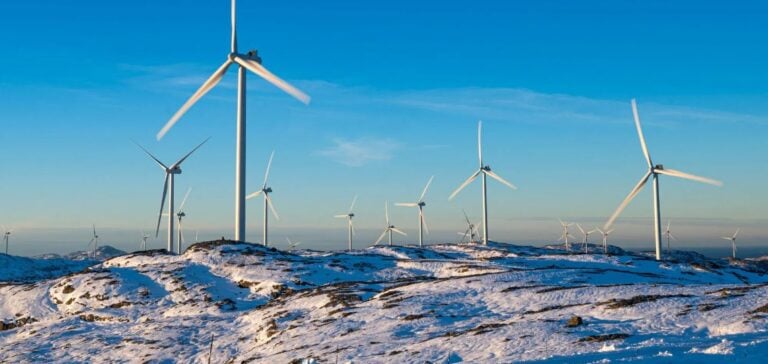
Before adopting this model, the management of electricity flows between production and consumption zones was based on a locally estimated capacity. This approach reached its limits in light of the rise of renewable energy, particularly wind power in the northern regions. Flow-based coupling provides new flexibility by optimizing transmission capacities throughout the region, facilitating the absorption of fluctuations in renewable energy production.
Nordic grid operators therefore expect at least a 10% increase in electricity flows between northern and southern zones, enabling northern production surpluses to better meet demand in more densely populated areas. This approach reduces the need for new infrastructure by maximizing the use of the existing grid, an essential strategy for minimizing costs in a sector where structural investments are often very high.
Strategic Infrastructure Investments for the Market
In addition to this new distribution model, grid operators have undertaken major investments in transmission infrastructure to support the modernization of the grid.
– Svenska kraftnät has allocated €8.1 billion to upgrade the Swedish grid by constructing 800 km of new lines and adding 20 to 30 substations.
– Statnett, the Norwegian operator, is committing between €6 billion and €10 billion to develop 2,500 to 4,000 km of transmission lines, as well as adding 30 to 35 substations.
– Fingrid, in Finland, is also expanding its grid with 3,700 km of lines and 41 substations, representing an investment of €2.1 billion.
These projects, totaling over €25 billion, aim to strengthen transmission capacities and ensure efficient distribution of renewable energy. Through this optimization, grid operators hope to limit the creation of new infrastructure, reducing future costs while offering a more resilient and sustainable grid.
Price Convergence and Cost Reduction for Consumers
Flow-based coupling enables a gradual convergence of electricity prices between low-cost production zones and high-demand areas. This convergence could reduce price differences by 15% to 20%, offering substantial savings to consumers. In a context of rapidly growing energy demand, this reduction in price disparities contributes to more competitive rates for both households and energy-intensive industries, such as steel and chemicals.
Grid operators expect to see the first signs of convergence quickly, thanks to the improved distribution of electricity generated by wind and hydropower, which are abundant in the Nordic countries. This price stabilization could also stimulate new investments in local industries and bolster the region’s energy transition.
New Dynamics for the Intraday Market
The transparency of transmission capacities offered by the flow-based coupling model also opens new perspectives for the intraday market. With more frequent arbitrage opportunities between various pricing zones, transaction volumes could increase by 10% to 15%, generating additional revenue for trading platforms such as Nord Pool and profits for electricity traders. This new dynamic could attract international players, further increasing liquidity and competitiveness in the Nordic market.
The regularity of intraday prices also enhances market attractiveness by providing participants with increased visibility and allowing them to anticipate price fluctuations. This stabilization facilitates strategic management and the adjustment of supply and demand strategies according to actual transmission capacities.
European Alignment and Geopolitical Stakes
By adopting flow-based market coupling, the Nordic countries position themselves as leaders in energy transition, in line with European standards. This model facilitates cross-border electricity exchanges, strengthening energy cooperation between the Nordic region and the European Union, which views Nordic renewable energy as a strategic resource to reduce fossil fuel imports.
In a context of heightened energy supply tensions, this increased transmission capacity of renewable electricity could enhance Europe’s energy security. The savings achieved through better electricity flow management can also be reinvested in developing new renewable energy capacities, thereby supporting the EU’s climate goals.
The adoption of this flow optimization model thus offers promising prospects for consumers, grid operators, and European partners. Technical challenges remain, but flow-based coupling represents a major advancement for the electricity market in the Nordic region.