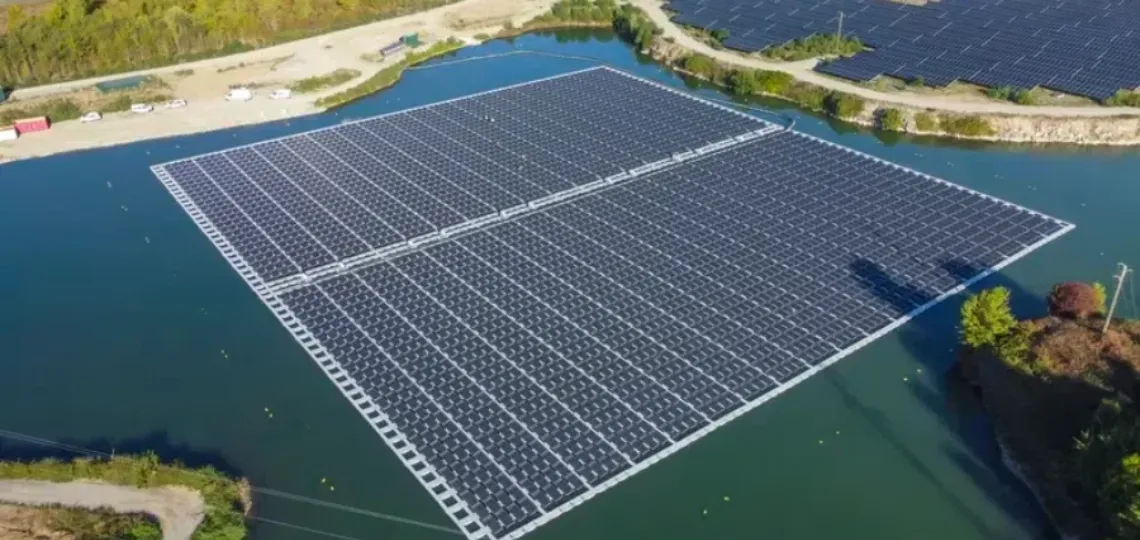
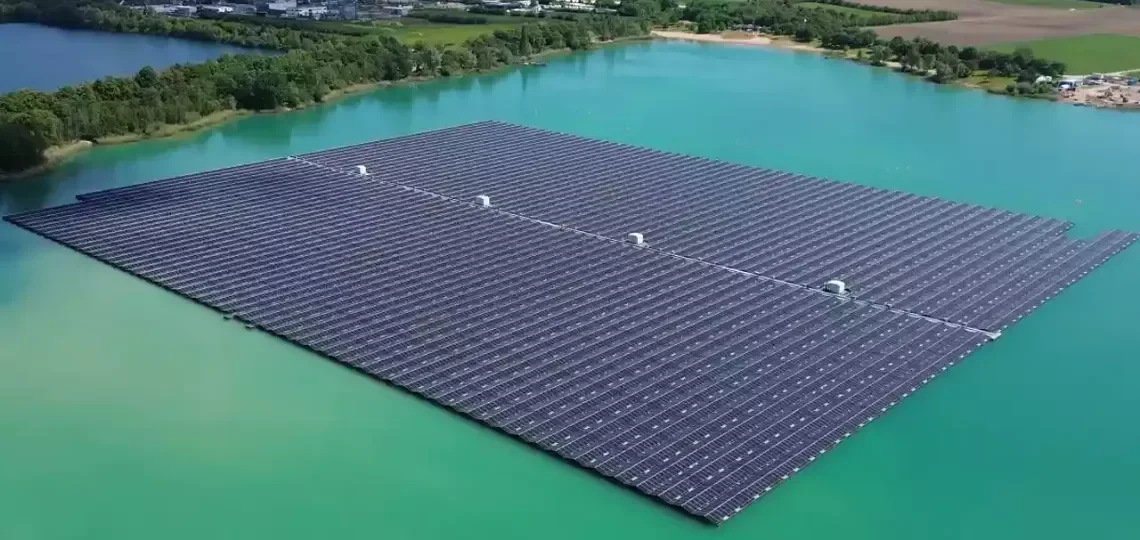
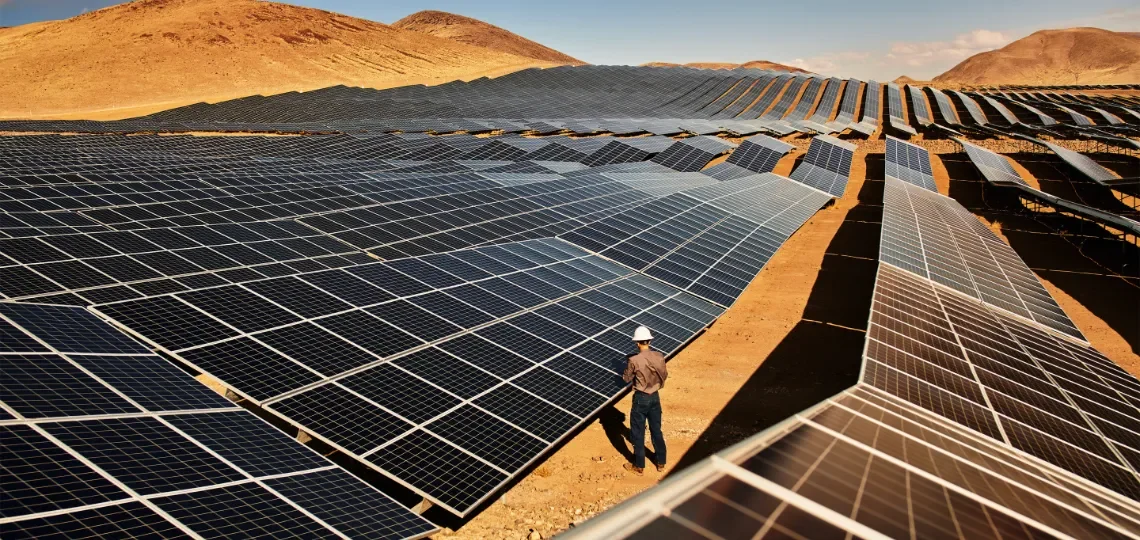
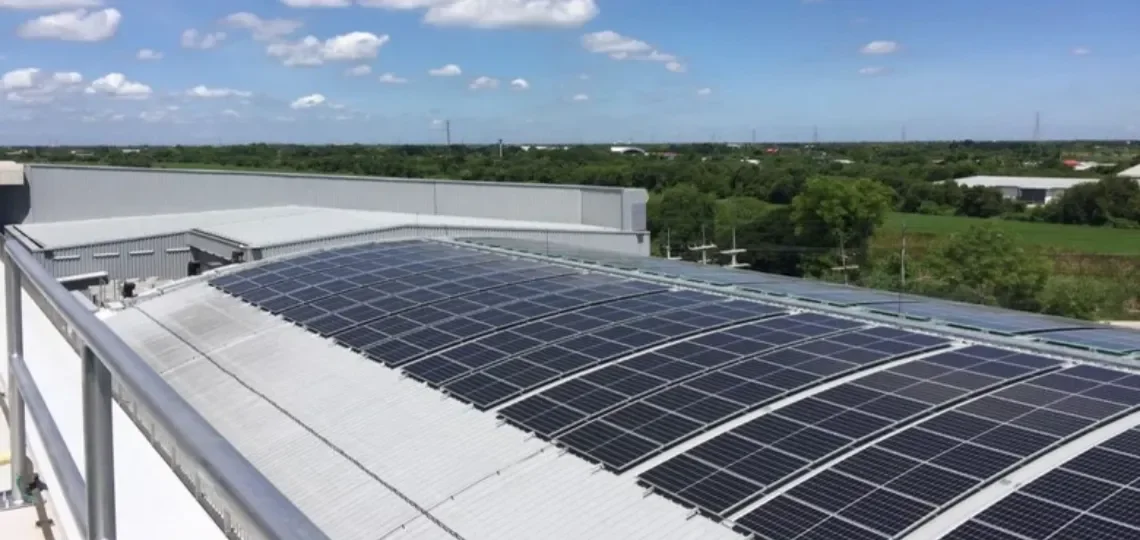
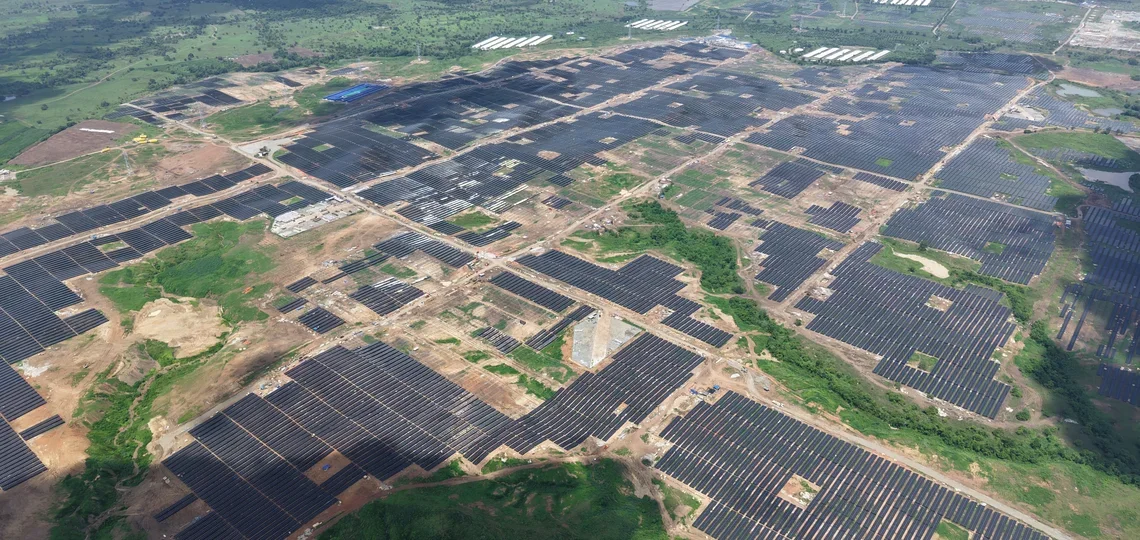
Zimbabwe is set to begin construction in the second quarter of 2026 on a 600-megawatt (MW) floating solar power plant on Lake Kariba, the world’s largest artificial freshwater reservoir. Minister of Agriculture Anxious Masuka stated that the first phase of the project will include the installation of solar panels on land surrounding the dam.
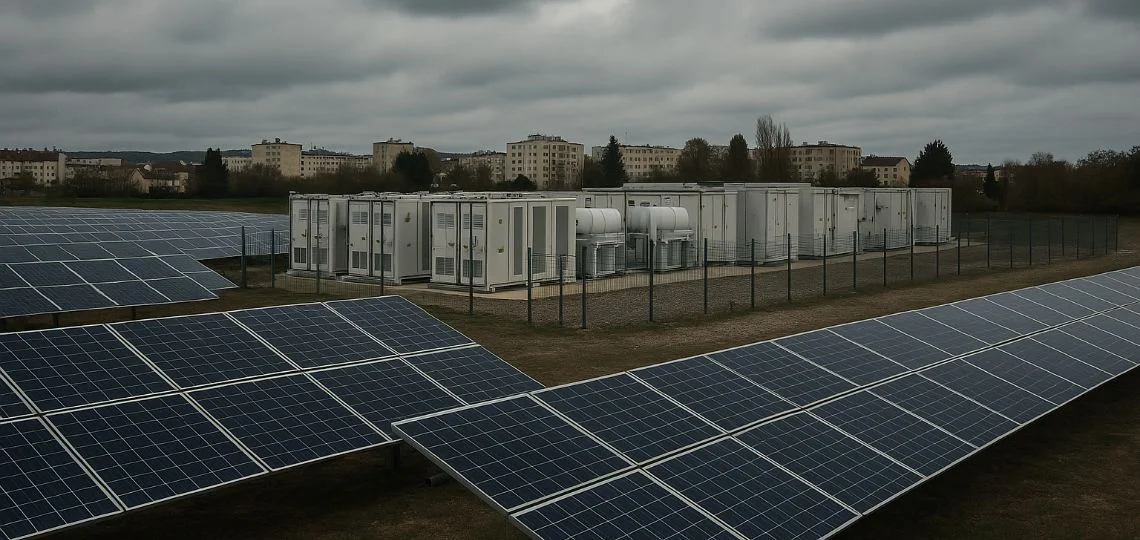
A more ambitious project than initially announced
This initiative marks a shift from earlier announcements by Gloria Magombo, Secretary for Energy and Power Development, who in June 2024 referred to a 150 MW installation at the same site. The expanded project scope required further discussions, particularly with Zambia, which shares ownership of Lake Kariba and whose approval is essential for infrastructure deployment.
The project comes amid mounting pressure on the national energy system, which remains heavily dependent on hydropower. Over the past five years, successive droughts have significantly lowered water levels at the Kariba dam, reducing actual output to 550 MW from an installed capacity of 1,050 MW.
$650mn cost and initial fundraising underway
The total cost of the project is estimated at $650mn, with completion targeted for 2031. For the initial phase, Zimbabwean industrial consumers secured $4.4mn in June from the African Export-Import Bank (Afreximbank) to finance a feasibility study. The consortium is now seeking up to $350mn to launch the first phase of construction.
According to authorities, the development aims to strengthen the country’s energy security while reducing exposure to climate variability. The solar option is being pursued as a complement to existing capacity, which remains highly affected by inconsistent rainfall.