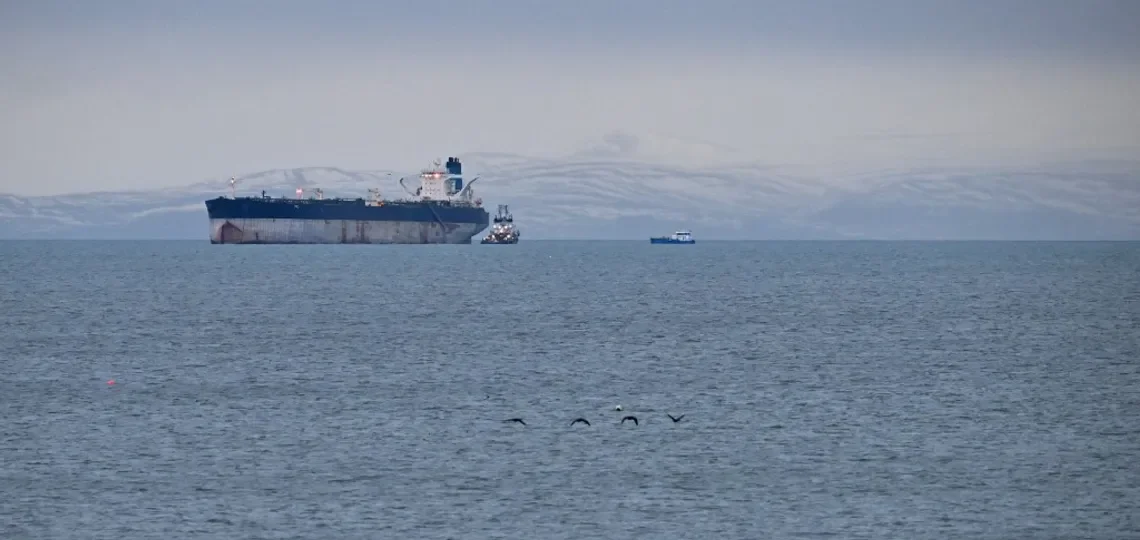
U.S. authorities seized an oil tanker off the Venezuelan coast, marking a new escalation in their sanctions policy against the government of Nicolas Maduro. The vessel, Skipper, carrying 1,900,000 barrels of oil, was heading to Cuba when it was intercepted in international waters by U.S. forces, according to multiple officials in Washington.
The seizure is part of a broader campaign aimed at disrupting Venezuela’s oil exports, which remain the main source of revenue for the Caracas government despite an embargo in place since 2019. The U.S. Treasury Department also added six shipping companies to its blacklist, along with several individuals suspected of supporting the country’s parallel oil logistics.
Expanding military and judicial apparatus
The U.S. Department of Justice confirmed that the Skipper is now en route to a U.S.-controlled port, where its cargo is expected to be confiscated. White House spokeswoman Karoline Leavitt justified the operation by stating that the United States would no longer “stand idly by while sanctioned vessels sail the seas with oil from the black market.”
Videos shared by U.S. officials show armed troops taking control of the ship from a helicopter. This type of intervention, labelled “criminal naval piracy” by the Venezuelan president during a televised address, is the first of its kind since the military buildup in the Caribbean intensified over the summer.
Commercial networks under pressure
In addition to the Skipper, the sanctions target a Panamanian businessman accused of facilitating Caracas’s oil transactions and three nephews of Maduro’s wife, who Washington claims are involved in drug trafficking. These individuals and companies are now banned from any business with U.S. entities, and their assets on U.S. territory have been frozen.
According to American authorities, revenues from these cargoes finance groups described as “narcoterrorist,” including entities linked to Lebanon’s Hezbollah and Iran’s Islamic Revolutionary Guard Corps. The Treasury had already sanctioned the Skipper in 2022 over alleged ties to those organisations.
Impact on oil flows and international responses
Venezuela, under an energy embargo since 2019, sells part of its production through undeclared channels mainly to China, Iran, and Cuba. The seizure of the vessel may deter future buyers by highlighting the legal and logistical risks of transporting Venezuelan oil outside traditional financial and customs systems.
In response to the operation, President Maduro announced that Caracas would take “appropriate legal and diplomatic action,” without specifying the vessel’s flag. He insisted the cargo had been lawfully sold and prepaid. Russian President Vladimir Putin expressed solidarity with his Venezuelan counterpart during a phone call, citing “increasing external pressure.”
Rising regional diplomatic tensions
Colombia declared its readiness to offer asylum to Nicolas Maduro if he were forced from office. Brazilian President Luiz Inacio Lula da Silva said he had warned Donald Trump during a call in early December about the risks of a regional conflict.
“I told him: Trump, we don’t want a war in Latin America,” said Lula, adding that the American president replied, “But I have more weapons, more ships, more bombs.” These remarks fuel concern among U.S. Democratic opposition lawmakers, who question the broader strategic implications of such energy interventions.