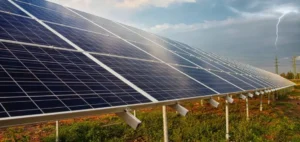

Waaree Solar Americas Inc., the U.S. subsidiary of Indian group Waaree Energies Limited, has secured a 288 MWp order from Sabancı Renewables to supply two large-scale solar projects located in Texas. Module deliveries are scheduled to begin in the third quarter of 2026 for the Pepper Solar plant in Waco and the Lucky 7 Solar plant in Brashear.
Modules designed for extreme weather conditions
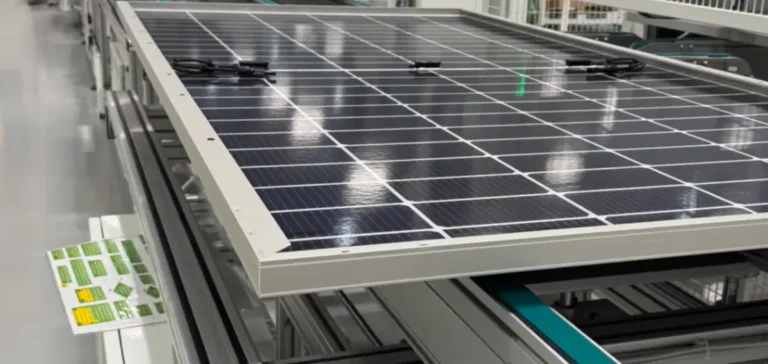
This order marks Waaree’s first deployment of its 620 Wp bifacial solar modules, featuring a 3.2 mm reinforced front glass engineered to withstand severe weather, including hail. The manufacturer highlights a design optimised for utility-scale applications, offering enhanced mechanical strength and reduced long-term degradation.
The modules incorporate a supply chain built around materials compliant with U.S. standards, aiming for source diversification and reliability. This technology choice is tailored to the volatile climate of Texas, where hail events and extreme temperatures present operational challenges for large-scale photovoltaic installations.
Strategic expansion in the North American market
With this order, Waaree strengthens its footprint in North America, supported by its vertically integrated manufacturing base and growing capabilities in high-efficiency solar cells. The company views this deal as a new step in its international growth strategy focused on solutions tailored to the specific requirements of advanced energy markets.
Sabancı Renewables, a subsidiary of Turkish conglomerate Sabancı Holding, is developing a growing portfolio of renewable assets in the United States. The company invests in technologies capable of withstanding the harshest weather conditions to secure long-term project performance. The partnership between the two firms comes as utility-scale solar projects are expanding across the U.S., backed by supportive regulatory frameworks and shifting energy demand.
Industrial competitiveness reinforced
The contract secured by Waaree also reflects the efforts of solar manufacturers to meet the technical and logistical standards required in the U.S. market. The upstream integration of its value chain enables the Indian company to ensure volumes and timelines for complex projects while meeting local compliance requirements.
The deal also highlights the increasing interest of infrastructure developers in reliable industrial partnerships capable of keeping pace with large-scale deployment. It comes amid intensified competition among global suppliers aiming to gain ground in the U.S. solar market, seen as strategic by major energy players.