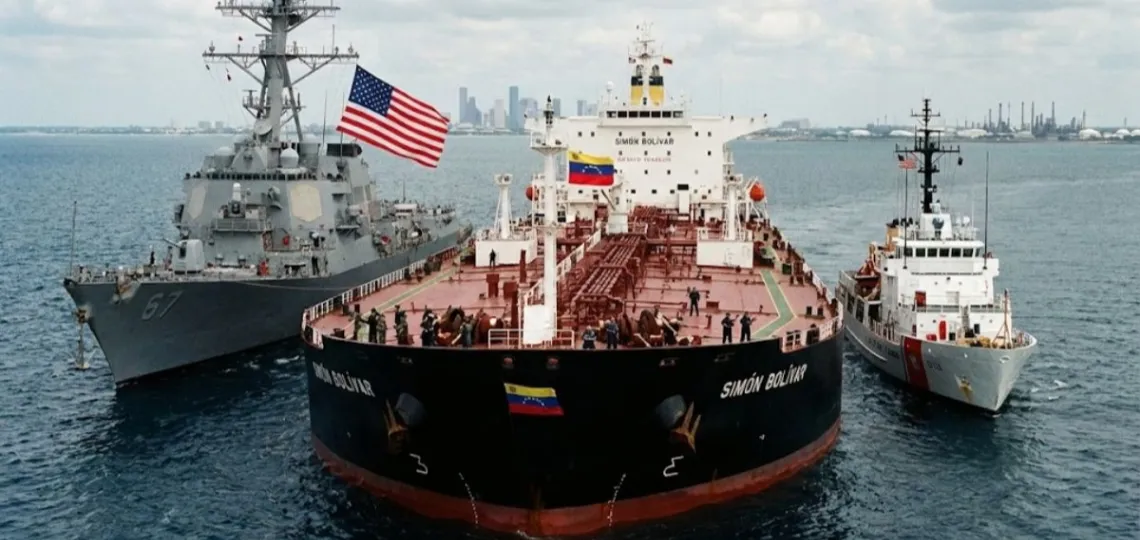
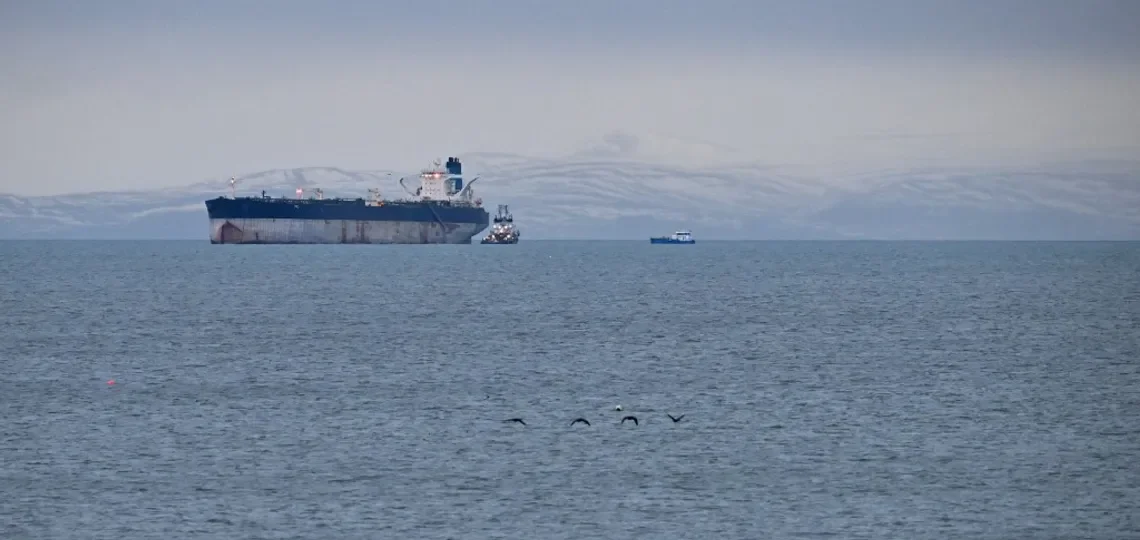
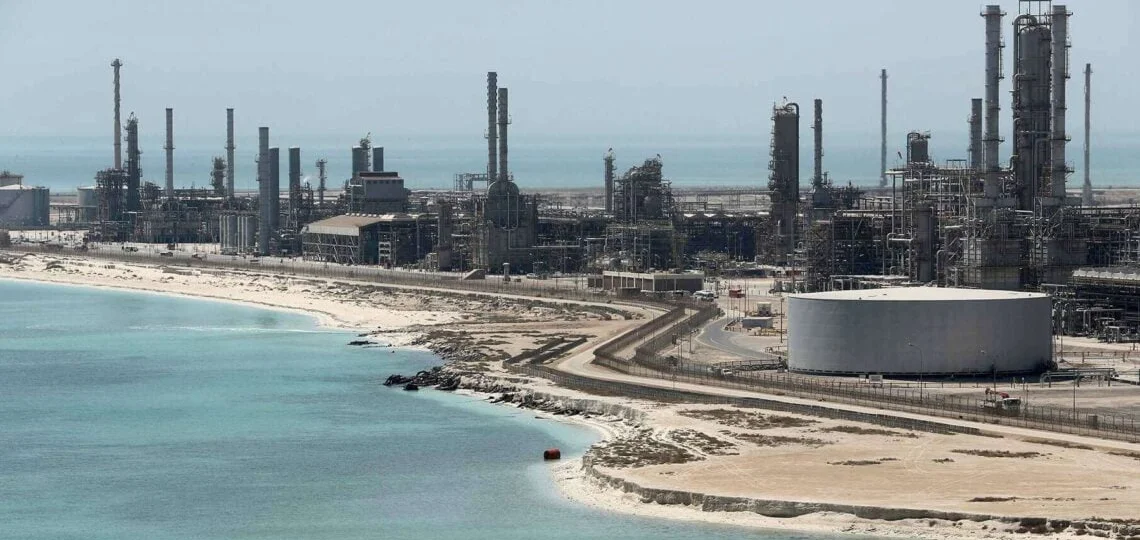
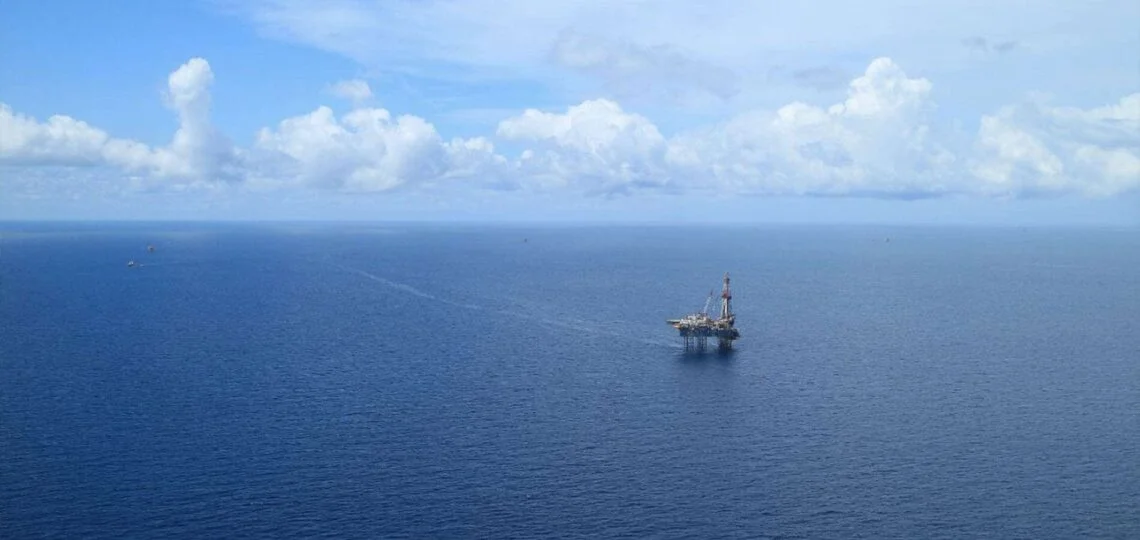
Crude export operations are proceeding “normally,” according to Petróleos de Venezuela S.A. (PDVSA), which stated that its tankers “continue to navigate safely” despite the restrictions imposed by the United States. This statement comes one day after the implementation of a full blockade on sanctioned ships entering or leaving the country.
Escalating tensions between Caracas and Washington
The US administration accuses the Venezuelan government of using oil revenues to fund drug trafficking and illicit activities. President Donald Trump justified the measure as a response to what he described as a “transnational threat.” This tightening comes amid a series of military actions conducted since the summer, including naval strikes against vessels allegedly involved in drug trafficking.
Continued oil activities despite sanctions
The Venezuelan government denies these accusations, calling them an American attempt to “steal the country’s wealth.” Caracas maintains that its oil operations are conducted in accordance with current agreements, notably with Asian partners. Chevron Corporation, one of the few foreign companies still operating in Venezuela under a sanctions waiver, confirmed that its operations continue “without interruption.”
Regional impact and diplomatic concerns
The American blockade has sparked reactions beyond Venezuela. Mexico called for de-escalation to avoid a “bloodshed,” reaffirming its opposition to any military intervention. China expressed support for Caracas, denouncing “unilateral intimidation” and reiterating every country’s right to develop its trade relations.
Cargo seizures and political pressure
Last week, a ship carrying up to two million barrels of crude bound for Cuba was intercepted by US forces in the Caribbean, with cargo valued between $50mn and $100mn. These maritime seizures have reignited debate in the US Congress, where a resolution aimed at halting military action is expected.