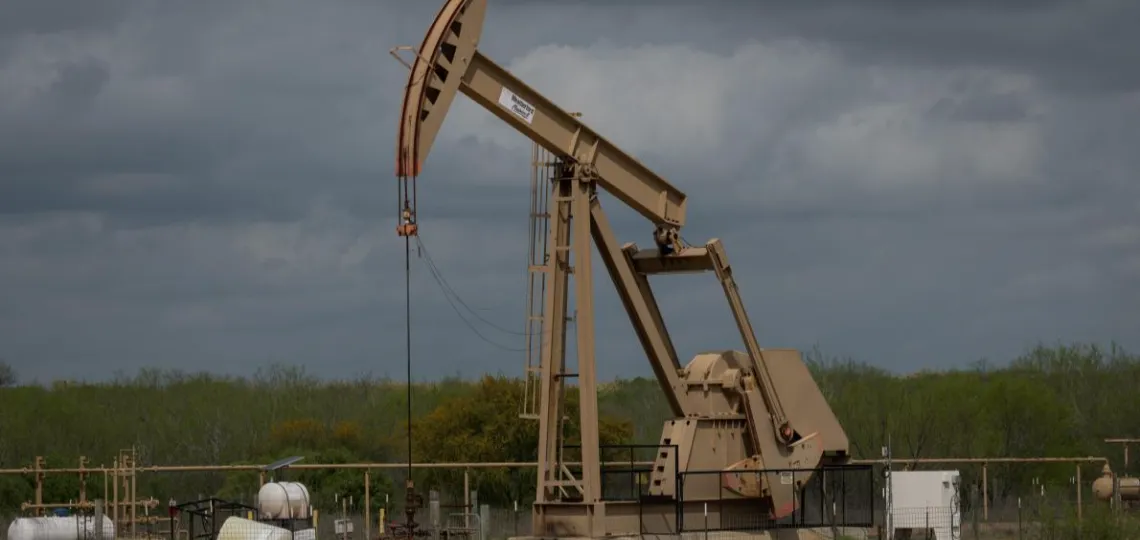
The price of US crude oil fell on Tuesday to a level not seen since February 2021, briefly slipping below the $55 mark. The barrel of West Texas Intermediate (WTI) for January delivery reached $54.98 during the session before slightly rebounding to $55.32, a 2.64% decline. This drop marks a significant shift for markets, faced with a combination of easing geopolitical tensions and oversupply expectations.
Geopolitical risk premium fades
Ongoing negotiations between the United States and Ukraine over a resolution to the conflict with Russia are weighing on prices, reducing concerns about disruptions to global supply. Ukrainian President Volodymyr Zelensky spoke of “progress” in the talks, while Donald Trump stated that the parties were “closer today than ever” to an agreement. This dynamic has contributed to lowering the geopolitical risk premium embedded in oil prices since the start of the conflict.
According to the International Energy Agency (IEA), Russian exports dropped by 420,000 barrels per day in November. A peace agreement could allow a substantial return of Russian crude to the market, reinforcing expectations of an oil glut. However, some analysts warn that caution remains necessary given the volatility of the negotiations.
Downward pressure from global supply
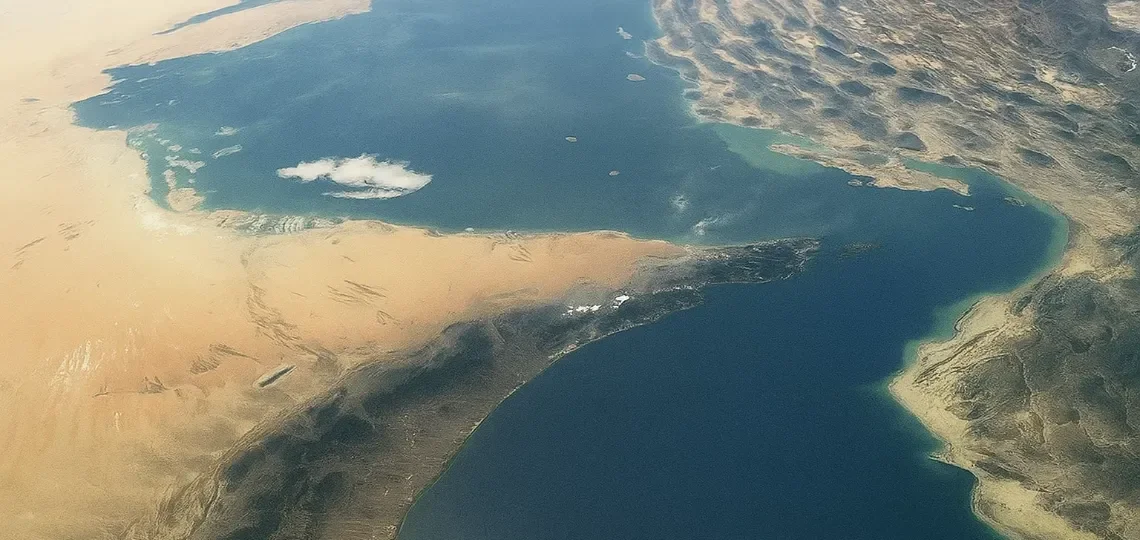
In parallel with geopolitical developments, market operators are focusing on a growing supply surplus, particularly in the Middle East and the United States. Spot crude prices in the Gulf are lower than forward prices, reflecting a short-term oversupply. This market structure, known as contango, discourages storage unless there is strong financial incentive.
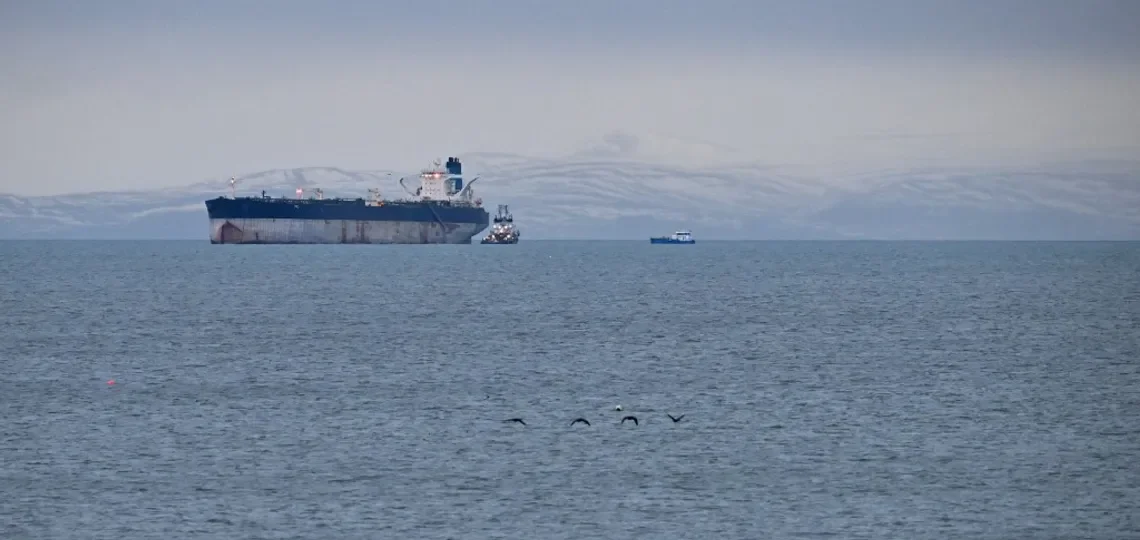
Tensions remain in some logistical segments, particularly with Venezuelan oil. Several shipments reportedly turned back due to threats of interception by US forces and a cyberattack targeting state-owned Petróleos de Venezuela (PDVSA). Nevertheless, this situation has not triggered fears of a shortage in the heavy crude segment.
Limited impact of isolated disruptions
Global demand concerns persist despite efforts by the Organization of the Petroleum Exporting Countries and its allies (OPEC+) to control production. Revised quotas by some members contribute to the perception of a prolonged imbalance between supply and demand.
According to several market participants, previous attempts to adjust output failed to support prices sustainably in 2025. In the short term, fundamentals appear to be pushing prices lower, increasing pressure on high-cost producers.