The United States Energy Information Administration (EIA) has revised its natural gas price forecasts upward, citing a cold spell in December that boosted heating demand. This increased consumption has reduced storage levels and led to significant adjustments in projections for the end of 2025 and the beginning of 2026.
Price increases driven by winter demand
The agency now expects an average Henry Hub gas price of $3.87 per million British thermal units (MMBtu) in Q4 2025, up by $0.36 from the previous estimate. For Q1 2026, the forecast rises to $4.35/MMBtu, an increase of $0.37. The December cold is expected to raise residential and commercial consumption by 6% compared to previous forecasts, lowering the amount of gas held in storage.
The EIA estimates December storage withdrawals will reach 580 billion cubic feet (Bcf), 28% above the five-year average. The average price for 2025 is now estimated at $3.56/MMBtu, compared to $3.47 last month. For 2026, the average stands at $4.01/MMBtu.
Production forecast adjusted in the Permian Basin
On the supply side, the EIA raised its production estimates, based on revised gas-to-oil ratios (GORs) in the Permian Basin. These new assumptions reflect recent trends and lead to a higher production outlook for 2026. Dry gas production is forecast to reach 109.1 Bcf/day, up from 107.8 Bcf/day previously.
Marketed production for Q4 2025 has been raised by 700 million cubic feet per day (MMcf/d) to 120.6 Bcf/day. The Q1 2026 forecast was also increased to 119.6 Bcf/day, up 1.1 Bcf/day from November. End-of-winter storage is forecast at 2,000 Bcf, which is 9% above the five-year average.
Adjusted demand and rising heating costs
On the demand side, the EIA now expects consumption of 94.3 Bcf/day in Q4, 500 MMcf/day higher than previously forecast. For Q1 2026, the estimate was lowered by 700 MMcf/day to 105.6 Bcf/day.
The agency also updated its cost projections for households. Those heating with gas are expected to spend an average of $671 between November and March, 3% more than last winter. Households using electricity will see average costs rise to $1,144, up 5%.
Modernisation of the agency’s forecasting model
Alongside its outlook, the EIA announced a revamp of its short-term forecast model. The current data architecture, developed 25 years ago, will be replaced by a modernised system featuring automated data flows and internal visualisation tools. Implementation will begin with an upstream model in spring 2026 and full deployment is planned for 2027.
The agency’s leadership said the move aims to eliminate redundant tools and refocus on monthly forecasts, market surveys and the Annual Energy Outlook.
Expected growth in regional electricity demand
The EIA forecasts electricity generation will increase by 2.4% in 2025 and 1.7% in 2026. While slightly below the previous month’s estimate, this continues an upward trend that began in 2021 after a decade of flat growth.
The increase is mainly driven by data centres and large-load customers in the PJM Interconnection and Electric Reliability Council of Texas (ERCOT) markets. Electricity demand in ERCOT is expected to grow by 5.0% in 2025 and 9.6% in 2026, while PJM is forecast to rise by 3.3% annually.
Impact on regional energy mix
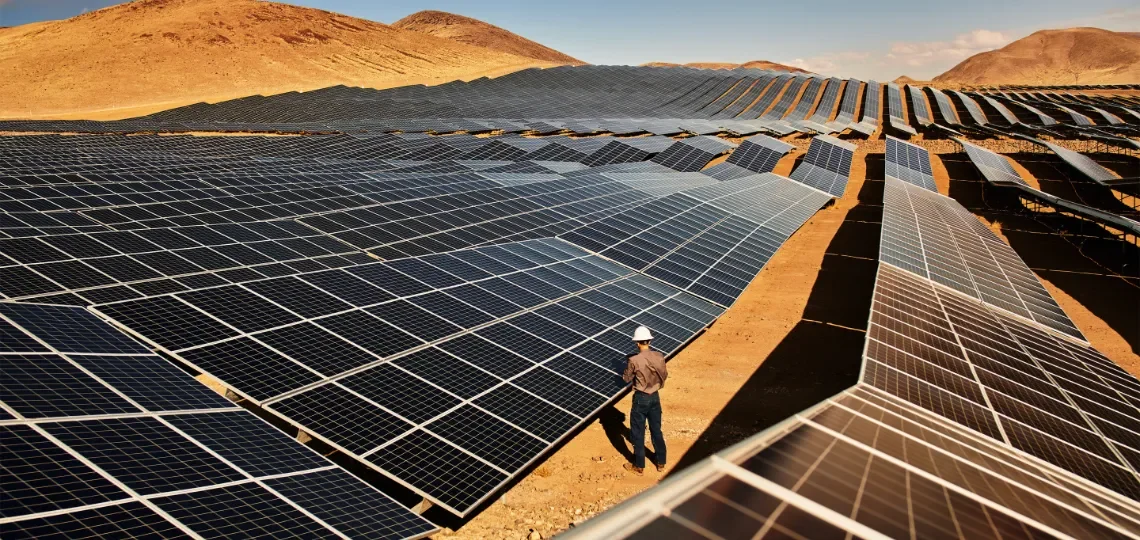
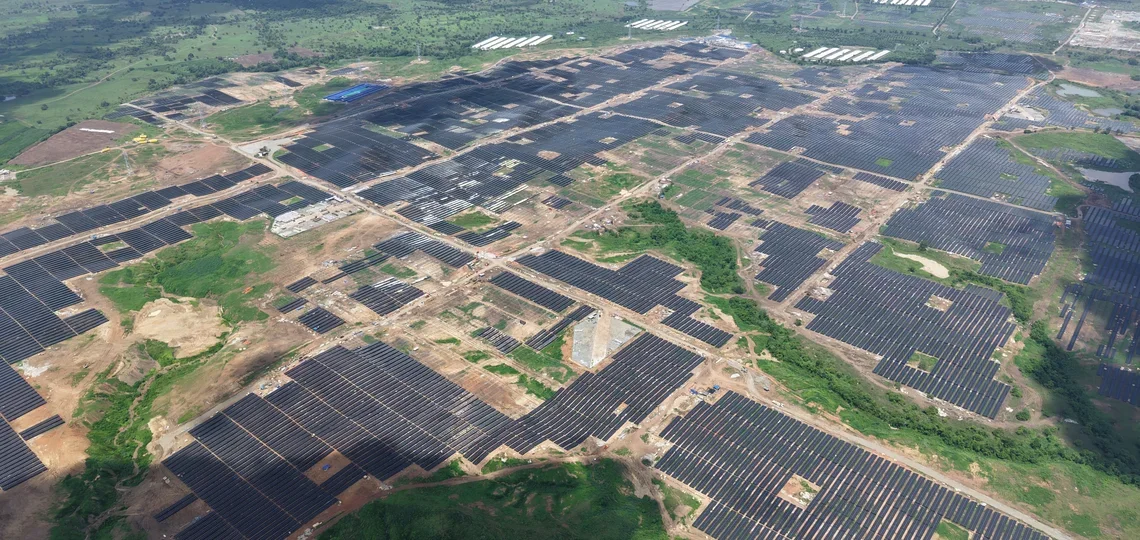
The additional PJM demand is expected to be met by increased generation from coal and solar, up 23% and 63% respectively between 2024 and 2026. In the ERCOT area, solar output is forecast to rise by 92% over the same period.
Natural gas, the dominant power source in both regions, is projected to grow by 2% from 2024 to 2026, maintaining its central role in the short-term energy mix.