Trump Threatens to Annihilate Iranian Energy Infrastructure Unless Deal Reached Quickly
Donald Trump threatened Monday to destroy Iran's power plants, oil wells, and Kharg Island if Tehran fails to reopen the Strait of Hormuz and reach a deal quickly.
| Sectors | Oil, Transport & Storage |
|---|---|
| Themes | Policy & Geopolitics, Armed Conflict |
| Companies | B. Riley Wealth Management |
| Countries | Iran, United States, Israel, Lebanon, Egypt |
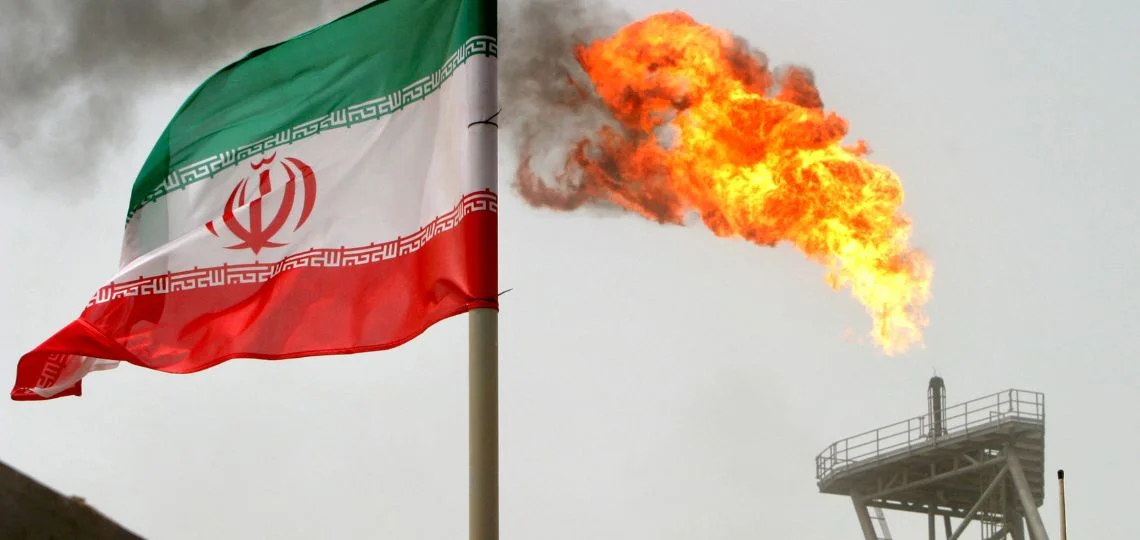
Donald Trump escalated his warnings against Tehran on Monday, threatening to "blow up" and "annihilate" power plants, oil wells, and Kharg Island if talks failed to produce results "quickly." In a post on his Truth Social network, the U.S. president made the absence of strikes contingent on the reopening of the Strait of Hormuz, through which ordinarily one-fifth of global hydrocarbons transit. The threat also extends, according to his statements, to "all desalination plants" in Iran. On Sunday, Trump had already raised the prospect of a ground operation targeting the Kharg terminal, which handles approximately 90% of Iran's crude exports, to "take the oil."
Kharg Island: the central target of U.S. threats
Kharg Island, in the Persian Gulf, is the linchpin of Iran's oil export infrastructure. Knocking it out would represent a near-total disruption of the Islamic Republic's hydrocarbon revenues. The Strait of Hormuz, whose reopening Trump demands, is a strategic chokepoint for global energy supply. LPG tankers continue to transit the waterway despite mounting regional tensions, underscoring the significant commercial stakes involved. The U.S. threat against these facilities comes amid military and diplomatic escalation since the conflict erupted on February 28.
Tehran has also raised threats against other strategic corridors for global oil flows, adding further pressure on commodity markets. These developments are fueling growing concerns over the security of global energy supplies. The G7 Finance-Energy group, convened Monday by France via videoconference, said it stood ready "to take all necessary measures" to ensure energy market stability.
Brent tops $115, up more than 50% since the war began
Around 2:50 p.m. GMT, North Sea Brent crude was up 2.55% at $115.44 per barrel. Since the conflict broke out on February 28, oil prices have surged more than 50%. The continuation of bombardments over the weekend and Monday — in Iran, the Gulf, and Lebanon — along with uncompromising statements from the belligerents, is fueling the price spike. "The market is desperately waiting for an end to this war," said Art Hogan, analyst at B. Riley Wealth Management. Wall Street was trading modestly higher Monday, with investors choosing to focus on diplomatic signals from Trump.
"Serious discussions" running parallel to the bombardments
In the same post, Trump cited "enormous progress" made during "serious discussions" with "a new and more reasonable regime" in Iran, without identifying his interlocutors. Egyptian President Abdel Fattah al-Sisi called on Donald Trump to "stop the war," emphasizing in a speech in Cairo the "grave consequences" of continuing the conflict. Pakistan offered to "host and facilitate" "meaningful talks" between the two sides. These diplomatic initiatives come as bombardments intensified over the weekend on Tehran, causing temporary power outages according to AFP journalists on the ground.
Military escalation in Lebanon and Tehran
The Israeli army announced Monday it had struck a Tehran university run by the Revolutionary Guards (the Islamic Republic's ideological army), claiming "advanced weapons research and development activities" were being conducted there. It had also struck military sites in Tehran in response to an Iranian missile attack. In Lebanon, three Hezbollah members were killed and three others seriously wounded in an Israeli strike targeting a residential building near the southern suburbs of Beirut. Several peacekeepers from the United Nations Interim Force in Lebanon (UNIFIL) were also wounded in an "incident" in a border town in southern Lebanon, said UNIFIL spokesperson Kandice Ardiel.
The NGO ACLED, which compiles conflict data, recorded nearly 2,300 U.S. and Israeli bombardments and 1,160 Iranian retaliatory strikes in the first month of the war. The U.S.-based NGO Human Rights Activists News Agency (HRANA) counted at least 360 attacks in 24 hours across 18 Iranian provinces over the weekend. In total since the conflict began, HRANA has tallied nearly 3,500 deaths in Iran. The U.S. military command announced Saturday the arrival in the Middle East of an amphibious assault ship leading a naval group comprising "some 3,500" sailors and Marines.