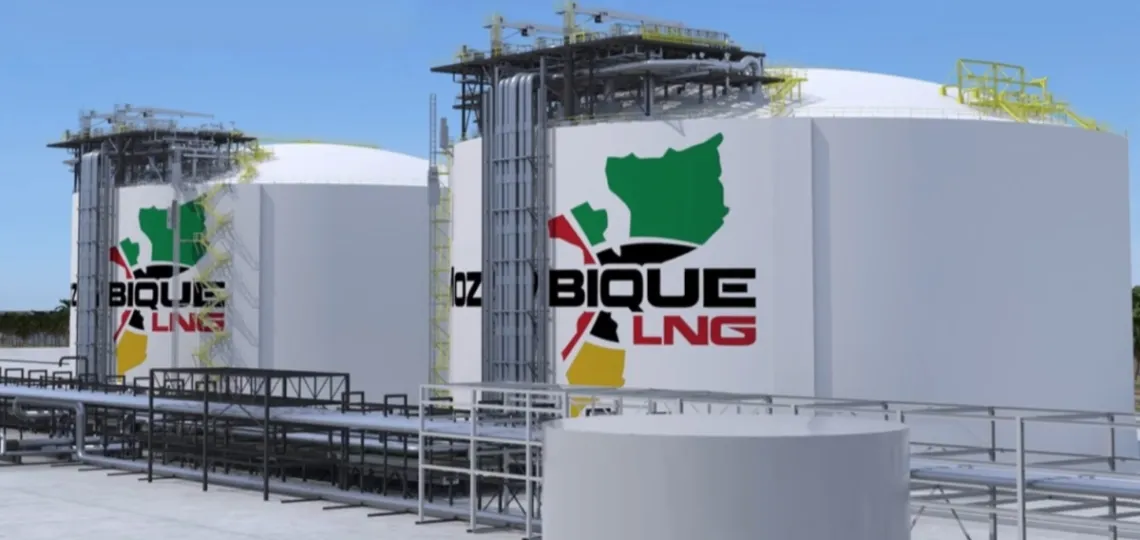
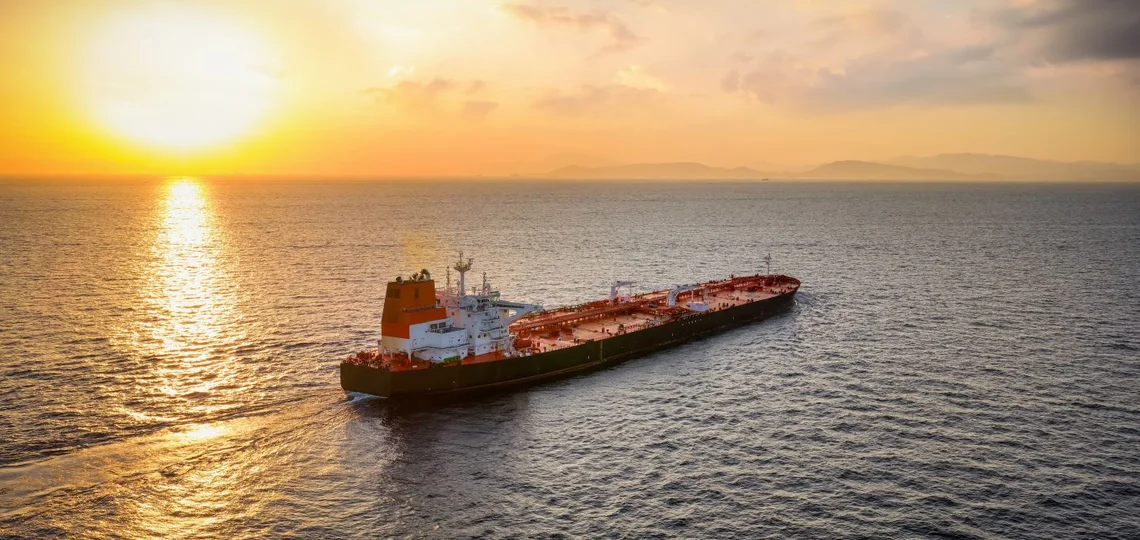
The Mozambique Liquefied Natural Gas (LNG) project, led by TotalEnergies, illustrates the direct impact of shifting policy priorities in financing countries on major energy projects in Africa. As these initiatives often rely on public foreign funding, the evolution of climate and security policies in several Western jurisdictions jeopardises development timelines and increases overall costs.
Diverging positions between London and Washington
In early 2025, the U.S. Export-Import Bank approved a loan of nearly $5bn to support the revival of the Mozambique LNG project, which had been suspended following the 2021 insurgent attack in Cabo Delgado province. This decision was seen as a positive signal from Washington, reaffirming its commitment to financing large-scale gas developments. However, only months later, the United Kingdom cancelled a $1.15bn funding commitment, citing reassessed security concerns and updated climate policy guidance.
Direct impacts on project viability
The UK withdrawal disrupted the project’s already complex financial structure. The exit of a major backer requires renewed negotiations with other creditors, revised guarantees, and delayed contract signings. For Mozambique, consequences extend beyond financing: national planning, expected revenues, and local employment prospects in the Cabo Delgado region are all affected.
Rising dependence on foreign agendas
The viability of large African energy projects now depends as much on the political stability of financiers as on technical fundamentals. Support or withdrawal decisions are increasingly influenced by domestic pressures in lender countries. These shifts result in adjusted lending conditions, heightened risk perception, and commercial decision delays, amplifying uncertainty for project developers.
African responses and funding diversification
In response to growing exposure, several African governments are turning to alternative funding sources. Multilateral institutions and some sovereign funds from Asia and the Middle East are emerging as options, though they involve different conditions and longer approval timelines. The goal remains to reduce dependence on unilateral political decisions from traditional financing powers.
Strategic role of African Energy Week 2026
In this unstable context, platforms such as African Energy Week (AEW) 2026 in Cape Town provide a space for coordination between African states, funders, and sector operators. This year’s edition focuses on energy security and establishing resilient investment frameworks. Discussions include risk mitigation mechanisms, regional financing structures, and instruments backed by multilateral entities.
Restructuring financing models
African stakeholders are calling for greater transparency in financing commitments, stronger alignment between international climate policies and development strategies, and safeguards to protect energy projects from foreign political shifts. The growing interest in African-led financing platforms reflects a structural response to increasingly unpredictable global dynamics.