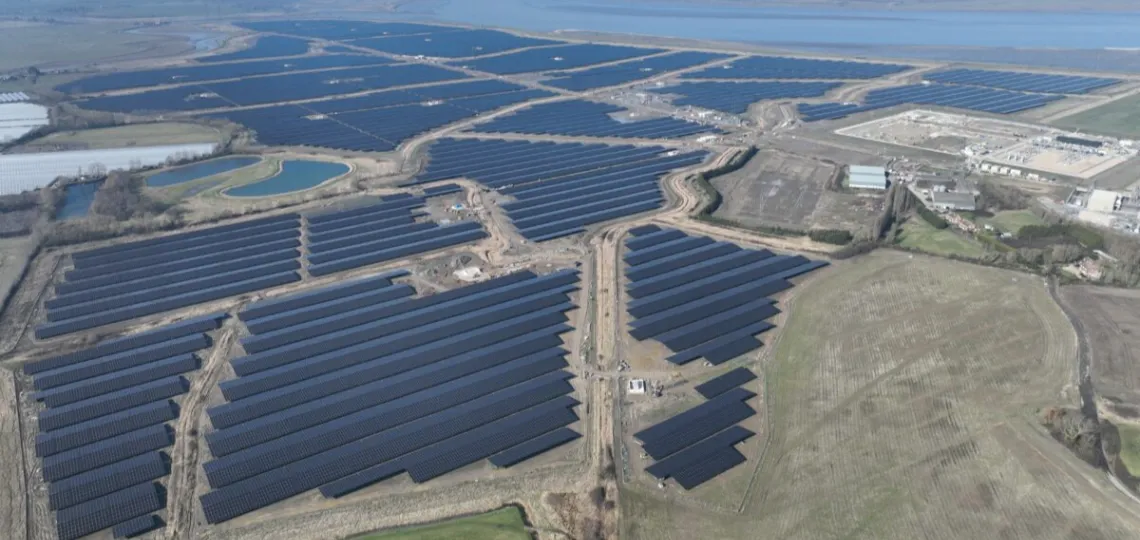
The United Kingdom government has confirmed the budget for the seventh round of its Contracts for Difference (CfD) mechanism, allocating a dedicated GBP135mn ($180mn) to solar energy. This allocation is part of a total GBP295mn budget for onshore technologies, with a separate GBP160mn portion ring-fenced for onshore wind and remote island wind projects.
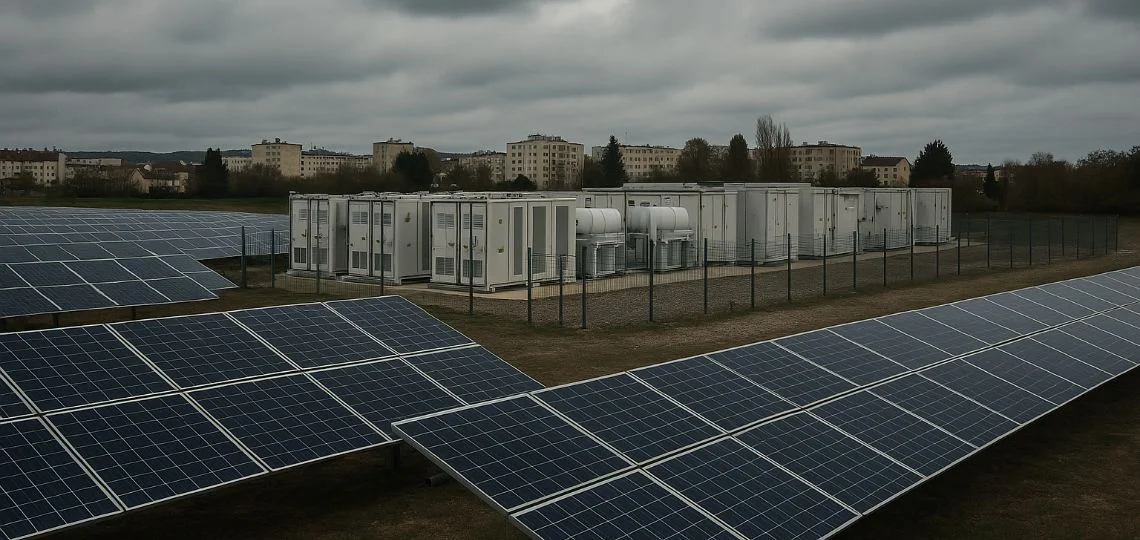
The structure of the budget reflects the government’s aim to separate pricing mechanisms between technologies by applying a monetary cap to photovoltaic energy. This division is intended to isolate the clearing price of solar from other sources while maintaining balanced competition among eligible technologies. The stated goal is to support up to 4 GW of solar capacity, a significant volume to meet the country’s 2030 energy targets.
Lower reference price for solar
In the administrative strike price schedule, solar energy remains the most cost-effective technology with a price ceiling set at GBP75 per megawatt hour. By comparison, onshore wind is capped at GBP92 per megawatt hour. These prices represent the maximum remuneration levels that projects can receive, guaranteed for developers who secure bids in the auction.
Final results could feature even lower prices, particularly following the government’s recent decision to extend CfD contract durations from 15 to 20 years. This structural change was welcomed by industry stakeholders as a driver for price reduction, extending the return on investment period for successful projects.
47 GW solar target by 2030
The outcome of the next two CfD rounds is considered critical to achieving national energy targets. The UK aims for 47 GW of solar capacity by 2030, compared to approximately 20.7 GW according to the latest provisional government statistics. Some earlier data has been revised upward, placing deployed capacity closer to 19 GW.
This trajectory forms part of the Clean Power 2030 strategy, which outlines a rapid deployment of domestic electricity sources. Within this framework, solar holds a strategic position as a mature and competitive technology, although volumes awarded will largely depend on upcoming auction results and competition with other onshore technologies.