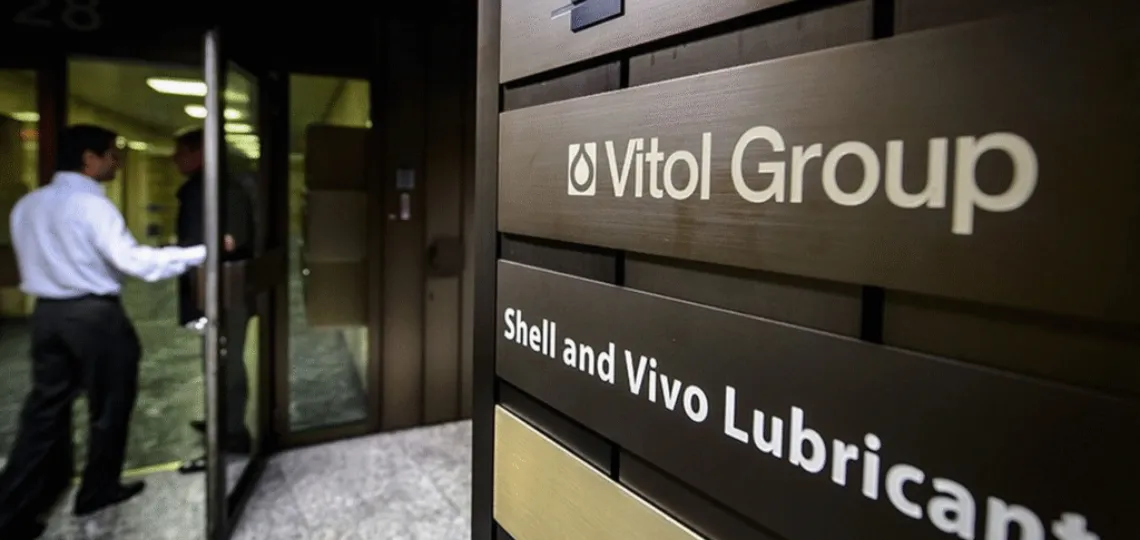
The Republic of Uganda is seeking to strengthen the investment capacity of its national oil company, Uganda National Oil Company (UNOC), by requesting a $2 billion loan from Vitol Bahrain E.C. This initiative aims to offset tighter external financing conditions currently affecting several African countries. Minister of State for Finance Henry Musasizi presented the request to Parliament, highlighting the need for alternative budgetary support to implement the national oil sector’s development projects.
A structure based on future oil revenues
The loan would be granted for a period of 84 months, including a two-year grace period. UNOC would be the official borrower, though the State will ensure its capitalisation and structure the repayment through future oil revenues. A dedicated account mechanism would secure the financial flows required for debt servicing in the event of revenue shortfalls or project delays.
The financing is split into two components: $1.2 billion would be allocated to UNOC’s development projects, while the remaining amount would fund key road infrastructure for oil logistics. Oil-related investments include the Kampala storage terminal, expansion of the Jinja terminal, port storage capacity in Mombasa, and the Eldoret–Kampala pipeline. A portion of the funds will also cover the first phase of the national refinery construction.
An increasingly selective international financing environment
The Ugandan executive justifies this structure by the decline in concessional loans and increased investor caution in international markets. The global energy transition has also dampened interest in oil projects, particularly in Africa. The recent experience of the East African Crude Oil Pipeline (EACOP) project highlighted these capital mobilisation challenges.
To enhance the scheme’s viability, the government is leveraging its existing partnership with Vitol, which has supplied all petroleum products in the country through UNOC since July 2024. This model has stabilised the domestic market while providing financial visibility. In the long term, official projections estimate that the funded projects could generate up to $5.6 billion in cumulative revenue for UNOC.
Risks transferred to future production
Using future revenues to guarantee repayment introduces a high dependency on asset performance. Any variation in crude oil prices, production volumes or delivery timelines could impact the repayment capacity. The success of the operation will therefore rely on the rigorous execution of projects and the company’s ability to develop sustainable commercial flows.
The dedicated accounts mechanism introduces budgetary discipline but reduces the government’s flexibility over the use of future revenues. Nonetheless, this strategy marks a shift in how Kampala finances its energy infrastructure, relying on existing commercial partnerships and regional integration of the oil market.