UAE Oil Exports Exceed Quotas: Rising Tensions Within OPEC+
Despite commitments to OPEC+ to limit production, the United Arab Emirates shows oil export volumes well above quotas. This situation raises questions and rekindles tensions within the cartel.
| Sectors | Oil |
|---|---|
| Themes | Policy & Geopolitics, Energy Security |
| Companies | AIE, OPEP |
| Countries | United Arab Emirates, Iraq, Kazakhstan, Russia |
The United Arab Emirates (UAE) are at the center of a controversy regarding their oil production levels. Officially bound by strict quotas set by OPEC+ since 2023, their export volumes consistently exceed the established limits. According to recent data from Commodities at Sea (CAS), UAE exports averaged 3.6 million barrels per day (b/d) from January to October 2024, far above the official quota of 2.912 million b/d.
Estimates vary depending on the sources. While the International Energy Agency (IEA) assesses UAE production at 3.23 million b/d for October, other observers report figures as high as 3.7 million b/d. These discrepancies raise doubts about the UAE’s adherence to quotas, a situation that could weaken OPEC+’s efforts to stabilize the oil market.
Quotas Not Respected and Overcapacity
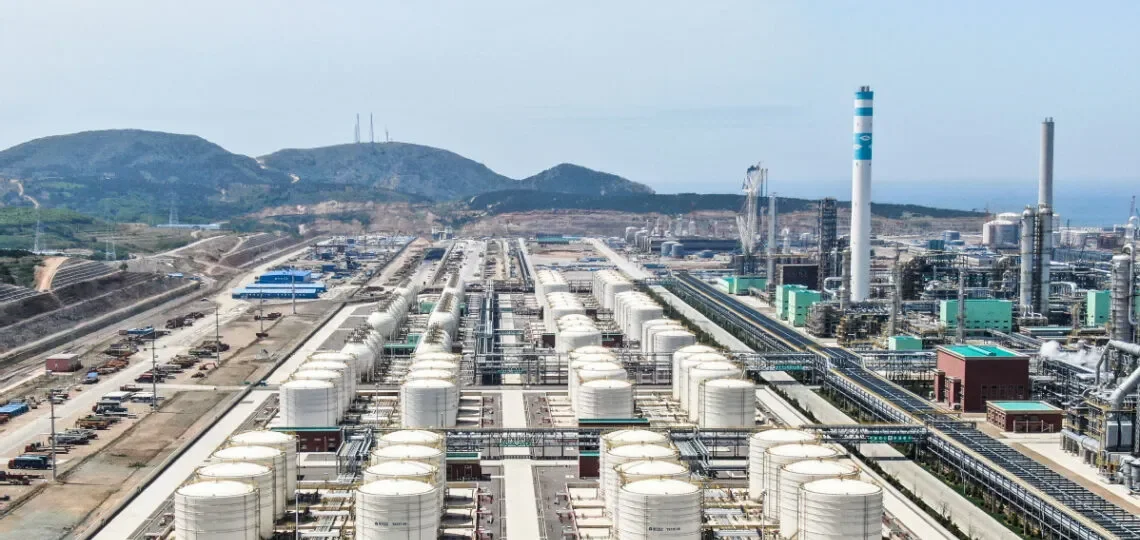
Production quotas are a cornerstone of the OPEC+ cooperation agreement designed to balance global supply and demand. However, UAE export figures, which exclude oil refined domestically, suggest significant deviations. Local facilities, including Abu Dhabi’s Ruwais complex, with a capacity of up to 837,000 b/d, further complicate the calculation of exact volumes.
Meanwhile, the UAE government denies the accusations, arguing that condensates and natural gas liquids, not subject to OPEC+ quotas, are often mistaken for crude oil in analyses. However, several analysts believe these arguments are insufficient to explain the discrepancies revealed by maritime tracking systems and commercial data.
A Tense Geopolitical Context
This situation arises as OPEC+ struggles to maintain unity among its members. While attention has mainly focused on countries like Iraq or Russia for non-compliance, the lack of visible sanctions against the UAE could create internal tensions. In June 2025, the UAE is expected to benefit from an increase in its quota of 300,000 b/d, following intense negotiations with its partners.
In addition to its key role within OPEC+, Abu Dhabi has invested heavily to increase its production capacity to 4.85 million b/d, aiming for 5 million b/d by 2027. This strategy underscores the UAE’s ambition to become a major energy player while targeting gas self-sufficiency by 2030.
A Challenge for Market Balance
Non-compliance with quotas by the UAE could have consequences for the global oil market. Analysts fear an oversupply that could drive prices down in the short term. For OPEC+ members, the challenge is twofold: maintaining a united front against external challenges and ensuring that all members honor their commitments.
For the UAE, however, pumping more oil seems strategic, allowing them to maximize short-term revenues while strengthening their influence in the global energy market. According to an estimate by the Baker Institute for Energy Policy, fully exploiting the UAE’s production capacity could generate up to $70 billion annually by 2028.