Fuel taxes: French government puts March surplus at 270 million euros
Facing opposition claims of a fiscal windfall, the French government puts the March fuel-related surplus at 270 million euros, arguing it falls short of the crisis's total cost.
| Sectors | Oil, Fuels |
|---|---|
| Themes | Markets & Finance, Prices |
| Countries | France, Ukraine |
The French government released its first estimates Friday of the fiscal surplus generated by rising fuel prices in March, seeking to counter the "windfall" narrative promoted by several opposition parties. The Middle East conflict, whose market tensions continue to reverberate — Tehran has notably threatened the Bab el-Mandeb strait, a strategic corridor for oil — has driven pump prices sharply higher since the start of the year. David Amiel, minister for Public Accounts, put the March surplus at 270 million euros, stating it "is well below the cost of the crisis for public finances."
A 270 million euro surplus split between VAT and excise duties
The 270 million euro surplus breaks down into two components: 120 million euros in additional value-added tax (VAT) compared to March 2025, and 150 million from excise duties on fuels. The latter, calculated on volumes sold rather than prices, were "heavily concentrated at the start of March," when motorists rushed to fill up, Mr. Amiel noted. Across the full first quarter, the net increase in fuel revenues reached only 50 million euros compared to early 2025, as consumption and prices were lower in January and February.
At the Finance Ministry, officials indicated Friday that if the late-March decline in consumption continued, April fuel revenues could fall below the prior year's level. This contrasts with estimates put forward by Laurent Wauquiez, leader of the Les Républicains parliamentary group, who put the surplus at "between two and three billion euros" since the outbreak of the conflict.
Crisis cost estimated at 430 million euros
According to Mr. Amiel, the rise in fuel prices has generated a cost of 430 million euros for public finances. This breaks down into 130 million euros in support spending — 70 million to assist hauliers, fishermen and farmers, and 60 million to reinforce the energy check scheme — plus 300 million tied to higher debt interest payments, based on an estimated annual additional charge of 3.6 billion euros. "That is why the government keeps saying this crisis is costly for public finances," the minister said.
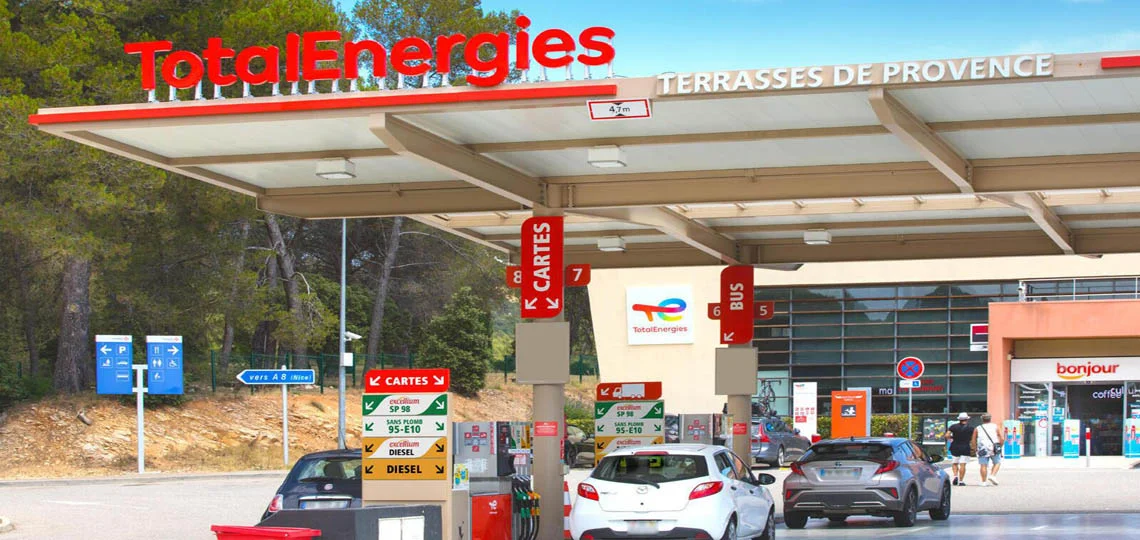
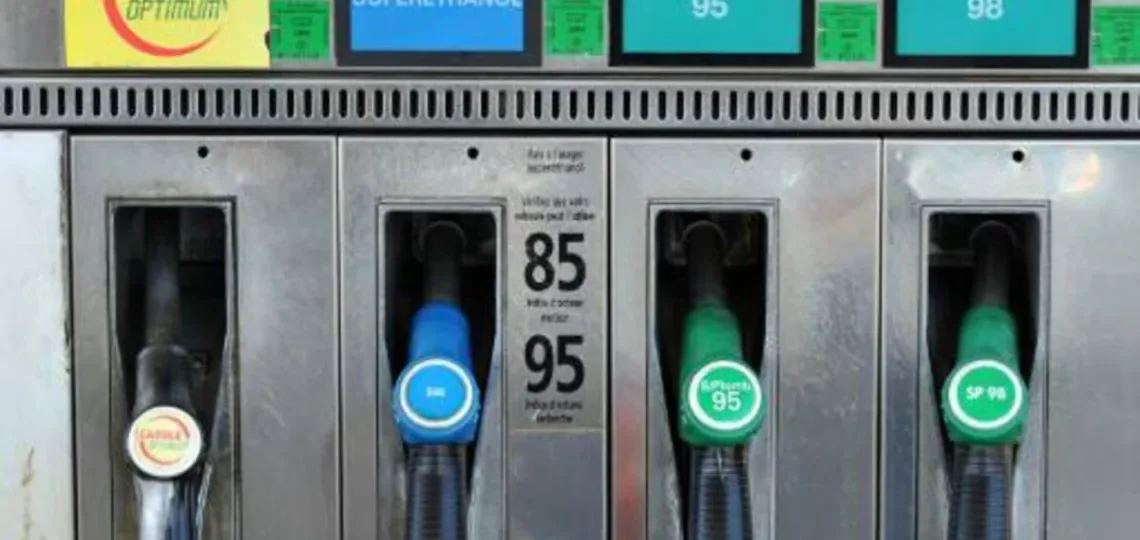
On the ground, diesel — France's most widely used road fuel — was selling at an average of 2.282 euros per liter on Friday, based on an AFP calculation using prices reported by around 8,500 stations to a government website, versus 1.72 euros before the conflict began. Prime Minister Sébastien Lecornu said he was considering new "targeted" support measures, awaiting proposals from his ministers early the following week.
The political debate over the "windfall"
The controversy was partly fueled by Lecornu himself, who had suggested using "the surplus" in fuel tax revenues to help fund the electrification of the economy. Marine Le Pen, leader of the Rassemblement national parliamentary group, immediately called for any excess to be redirected toward lower fuel taxes for motorists. Mr. Amiel dismissed the idea as "false rumours," ruling out any blanket aid: "2026 will not be 2022; we cannot announce billions of euros that, in reality, we don't have a single cent of."
Between 2022 and 2024, France spent approximately 60 billion euros to counter inflation stemming from the conflict in Ukraine, according to the Direction générale du Trésor, helping push the public deficit to 5.8% of gross domestic product (GDP) in 2024. Anthony Morlet-Lavadalie, from economic institute Rexecode, called it "unhealthy" to circulate the idea of "a hidden treasure," noting that economic indicators at the start of the year were already disappointing before the conflict erupted. The Finance Ministry announced that updated crisis cost estimates would be released at a public finances alert committee scheduled for April 21.