
Turkmenistan, a landlocked but resource-rich country, is pursuing a strategy to reposition its gas exports, supported by the Geneva-based Global Gas Centre. The partnership, primarily political and sectoral, marks an attempt by Ashgabat to diversify its flows beyond the Chinese monopoly, capitalising on the gap left by the scheduled reduction of Russian gas imports into Europe.
An underexposed producer in global markets
Turkmenistan holds over 11,000 bcm of proven gas reserves, primarily in the Galkynysh field. However, its exports have long been dominated by the Central Asia–China pipeline, which transported up to 35 bcm annually with a capacity of 55 bcm. This dependency on a single buyer has exposed the country to growing price pressure, especially as Beijing diversifies its supply through Russia’s Power of Siberia pipelines and increased LNG imports.
In response, Turkmenistan is focusing on three diversification axes: maintaining and expanding the Chinese route, reviving the TAPI pipeline to South Asia, and operationalising swap arrangements with Iran and Türkiye. These flows could eventually connect to Europe through a Trans-Caspian link integrated into the Southern Gas Corridor.
Indirect access to major firms via Geneva
The Global Gas Centre is not an investor but a dialogue platform. It gives Turkmenistan direct access to strategic executives in European and Asian energy companies without relying solely on bilateral negotiations. This sectoral diplomacy, framed by events such as OGT and TEIF, seeks to position the country as a credible supplier amid global realignments.
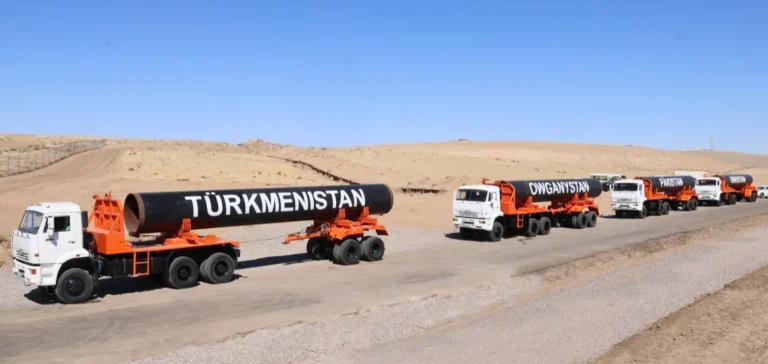
The TAPI pipeline, a 1,800-kilometre project designed to deliver 33 bcm annually to Afghanistan, Pakistan and India, faces uncertainty due to security and funding risks. In contrast, swap agreements through Iran, currently capped at around 2 bcm per year, remain limited in volume but demonstrate technical feasibility for regional supply to Türkiye and Iraq.
Sanctions, arbitration and geopolitical dynamics
Turkmenistan itself is not subject to international sanctions, but several proposed corridors are. Iran and its energy infrastructure are under US and EU sanctions, and Afghanistan remains under Taliban control without formal international recognition. Any transactions or investments will therefore require robust compliance structures.
The approach also allows Ashgabat to strengthen its negotiating position with China. As Russian volumes grow in China, Turkmenistan seeks to highlight alternative options to improve pricing terms. Credible diversification prospects serve as leverage in upcoming renegotiations.
Political signals versus physical realities
Engaging with the Global Gas Centre is also intended to lay groundwork for major infrastructure such as the Trans-Caspian link. This undersea route to Azerbaijan, connected to the Southern Gas Corridor, would require complex intergovernmental agreements and multilateral financing. Meanwhile, discussions with European utilities are progressing under increasingly stringent transparency and compliance requirements.
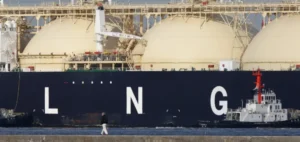
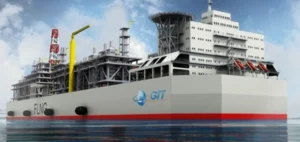
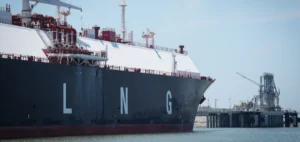
Turkmenistan’s liquefied natural gas (LNG) option, mentioned during OGT conferences, remains theoretical. Without direct maritime access, the country would need to invest in small-scale or transshipment facilities in the Caspian Sea before reaching global markets.
Potential impact on regional markets
If flows to Türkiye or Europe materialise, Turkmen gas could exert downward pressure on post-Russian risk premiums embedded in European long-term contracts. In Asia, added competition may intensify pricing pressure on China’s long-term gas imports. For engineering firms, pipeline manufacturers and logistics providers, the TAPI and Trans-Caspian projects represent significant industrial opportunities—subject to stable political frameworks.
Turkmenistan may, in the medium term, benefit from a geopolitical context favouring energy diversification, provided it overcomes constraints linked to sanctions and cross-border risks. The Global Gas Centre’s role remains that of a strategic amplifier in a still-evolving energy plan.