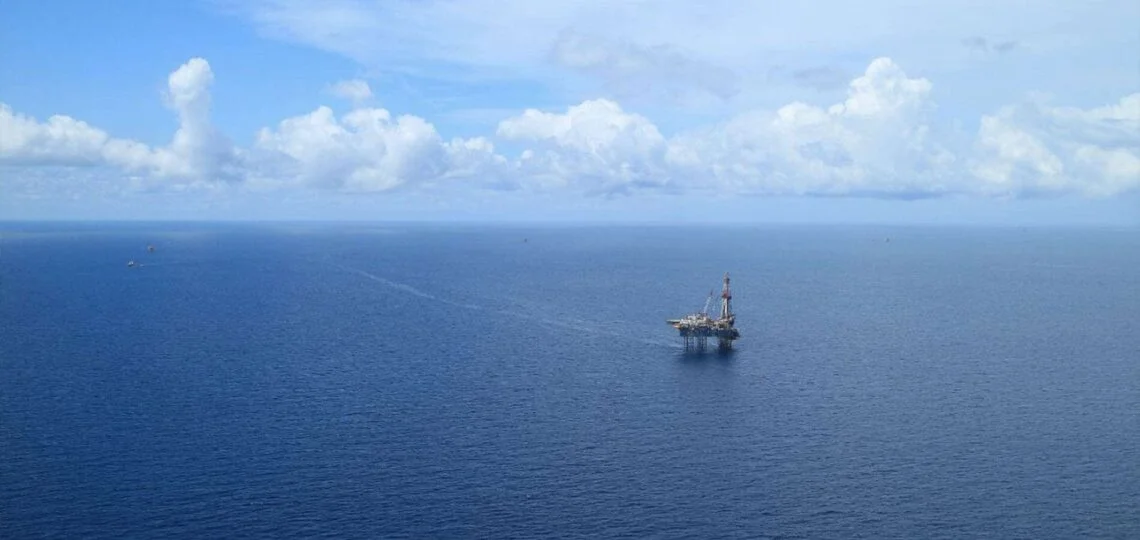
Trump maintient l’alliance avec l’OPEP malgré la pression sur Caracas

Malgré la pression exercée sur le gouvernement vénézuélien, Washington ne cherche pas à exclure Caracas de l’OPEP, misant sur une influence indirecte au sein du cartel pour défendre ses intérêts énergétiques.
Share:

Comprehensive energy news coverage, updated nonstop

Annual subscription

8.25$/month*

*billed annually at 99$/year for the first year then 149,00$/year ​

Unlimited access • Archives included • Professional invoice

OTHER ACCESS OPTIONS

Monthly subscription

Unlimited access • Archives included

5.2$/month*
then 14.90$ per month thereafter

FREE ACCOUNT

3 articles offered per month

FREE

*Prices are excluding VAT, which may vary depending on your location or professional status

Since 2021: 35,000 articles • 150+ analyses per week

L’administration Trump intensifie ses efforts diplomatiques et militaires contre le gouvernement de Nicolas Maduro sans pour autant remettre en cause l’appartenance du Venezuela à l’Organisation des pays exportateurs de pétrole (OPEP). Cette position illustre une stratégie d’équilibre visant à renforcer l’influence américaine sur les marchés pétroliers sans compromettre les liens établis avec les principaux membres du cartel.
Le Venezuela, membre fondateur de l’OPEP depuis 1960, a vu son rôle décliner au fil des décennies en raison de la chute de sa production, de l’instabilité politique et des sanctions économiques. La production nationale est passée de 3,7 millions de barils par jour dans les années 1970 à moins de 1 million en 2024. Malgré cette contraction, le pays détient 303 milliards de barils de réserves prouvées selon l’Energy Information Administration des États-Unis, soit environ 17 % des réserves mondiales.

Une présence stratégique au sein de l’OPEP

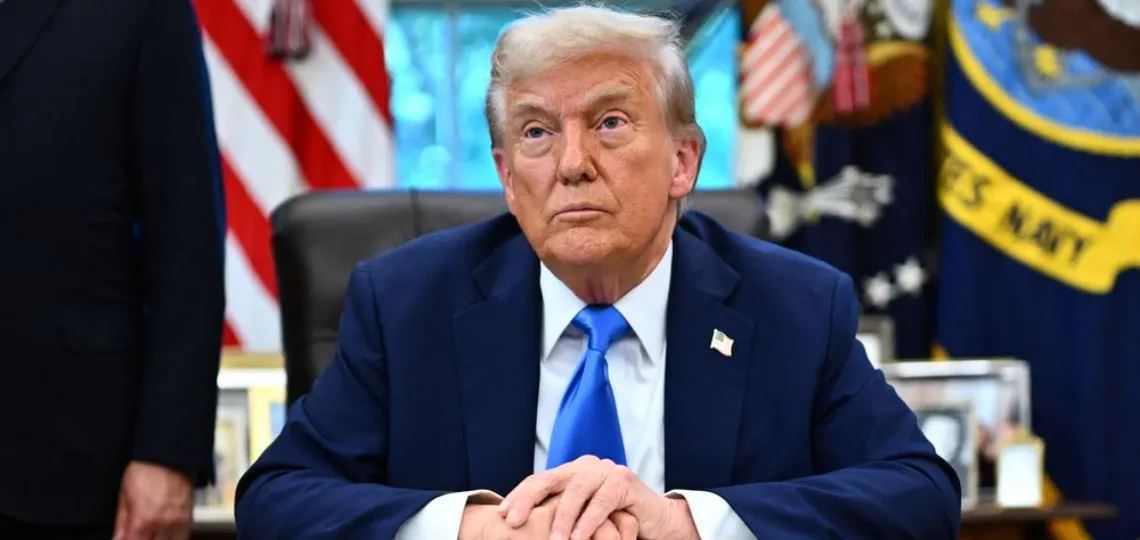
Les États-Unis maintiennent une approche pragmatique. Bien que le Congrès ait à plusieurs reprises tenté de faire adopter le projet de loi NOPEC (No Oil Producing and Exporting Cartels Act), autorisant des poursuites antitrust contre les membres de l’OPEP, aucune version n’a abouti. En 2018, Donald Trump avait accusé le cartel de « voler le reste du monde », mais cette rhétorique a évolué au profit de relations consolidées avec l’Arabie saoudite et les Émirats arabes unis.

Dans le contexte géopolitique actuel, Washington cherche à favoriser un changement de régime à Caracas qui permettrait un retour des compagnies américaines sur le marché pétrolier vénézuélien, sans provoquer de rupture avec l’OPEP. Chevron, dernière entreprise américaine présente au Venezuela grâce à une dérogation en vigueur depuis 2019, pourrait voir ses activités élargies si les sanctions étaient levées. Rapidan Energy estime qu’un gouvernement stable et aligné sur les intérêts américains permettrait une hausse progressive de la production d’un million de barils par jour sur dix ans.

Des intérêts croisés entre Caracas, Riyad et Washington

L’administration Trump bénéficie d’un partenariat renforcé avec Riyad, acteur central de l’OPEP. Pendant la pandémie de COVID-19, les réductions historiques de production décidées par l’alliance OPEP+ ont permis de soutenir les prix du brut, protégeant ainsi l’industrie du schiste américaine. En 2025, Trump a sollicité une augmentation de la production pour contenir les prix à la pompe aux États-Unis, demande partiellement acceptée par l’Arabie saoudite.

L’influence croissante de Washington sur ses alliés du Golfe modère toute velléité d’exclusion de Caracas du cartel. Selon Bob McNally, président de Rapidan Energy, « pour les deux cofondateurs que sont l’Arabie saoudite et le Venezuela, il est plus important de maintenir l’unité au sein de l’OPEP que pour Washington ». La stratégie américaine repose donc sur un alignement silencieux, privilégiant une mainmise indirecte sur la politique pétrolière vénézuélienne.

Les incertitudes demeurent quant à la forme que prendrait une éventuelle transition politique à Caracas. Une intervention désorganisée pourrait retarder la relance de la production et créer une instabilité prolongée. Cependant, l’approche actuelle vise à éviter toute déstabilisation majeure au sein de l’OPEP, où la capacité de production du Venezuela reste un levier stratégique à long terme.

Subsea7 has secured a subsea installation contract from LLOG for the Buckskin South project, scheduled for execution between 2026 and 2027, strengthening its position in the Gulf of Mexico and boosting its order book visibility.
Global crude oil production is expected to rise by 0.8 million barrels per day in 2026, with Brazil, Guyana and Argentina contributing 50% of the projected increase.
Woodbridge Ventures II Inc. signs definitive agreement with Greenflame Resources for a transformative merger, alongside a concurrent financing of up to $10mn.
Interceptions of ships linked to Venezuelan oil are increasing, pushing shipowners to suspend operations as PDVSA struggles to recover from a cyberattack that disrupted its logistical systems.
Harbour Energy acquires US offshore operator LLOG for $3.2bn, adding 271 million barrels in reserves and establishing a fifth operational hub in the Gulf of Mexico.
The agreement signed with Afreximbank marks a strategic shift for Heirs Energies, aiming to scale up its exploration and production operations on Nigeria's OML 17 oil block.
Oritsemeyiwa Eyesan’s appointment as head of Nigeria’s oil regulator marks a strategic shift as the country targets $10bn in upstream investment through regulatory reform and transparent licensing.
Baghdad states that all international companies operating in Kurdistan’s oil fields must transfer their production to state marketer SOMO, under the agreement signed with Erbil in September.
Chinese oil group CNOOC continues its expansion strategy with a new production start-up in the Pearl River Basin, marking its ninth offshore launch in 2025.
A train carrying over 1,200 tonnes of gasoline produced in Azerbaijan entered Armenia on December 19, marking the first commercial operation since recent conflicts, with concrete implications for regional transit.
Subsea 7 has secured a new extension of its frame agreement with Equinor for subsea inspection, maintenance and repair services through 2027, deploying the Seven Viking vessel on the Norwegian Continental Shelf.
Caracas says Iran has offered reinforced cooperation after the interception of two ships carrying Venezuelan crude, amid escalating tensions with the United States.
US authorities intercepted a second oil tanker carrying Venezuelan crude, escalating pressure on Caracas amid accusations of trafficking and tensions over sanctioned oil exports.
California Resources Corporation completed an all-stock asset transfer with Berry Corporation, strengthening its oil portfolio in California and adding strategic exposure in the Uinta Basin.
The Ugandan government aims to authorise its national oil company to borrow $2 billion from Vitol to fund strategic projects, combining investments in oil infrastructure with support for national logistics needs.
British company BP appoints Meg O'Neill as CEO to lead its strategic refocus on fossil fuels, following the abandonment of its climate ambitions and the early departure of Murray Auchincloss.
The Venezuelan national oil company has confirmed the continuity of its crude exports, as the United States enforces a maritime blockade targeting sanctioned vessels operating around the country.
The United States has implemented a full blockade on sanctioned tankers linked to Venezuela, escalating restrictions on the South American country's oil flows.
Deliveries of energy petroleum products fell by 4.5% in November, driven down by a sharp decline in diesel, while jet fuel continues its growth beyond pre-pandemic levels.
ReconAfrica is finalising preparations to test the Kavango West 1X well in Namibia, while expanding its portfolio in Angola and Gabon to strengthen its presence in sub-Saharan Africa.

All the latest energy news, all the time

Annual subscription

8.25$/month*

*billed annually at 99$/year for the first year then 149,00$/year ​

Unlimited access - Archives included - Pro invoice

Monthly subscription

Unlimited access • Archives included

5.2$/month*
then 14.90$ per month thereafter

*Prices shown are exclusive of VAT, which may vary according to your location or professional status.

Since 2021: 30,000 articles - +150 analyses/week.