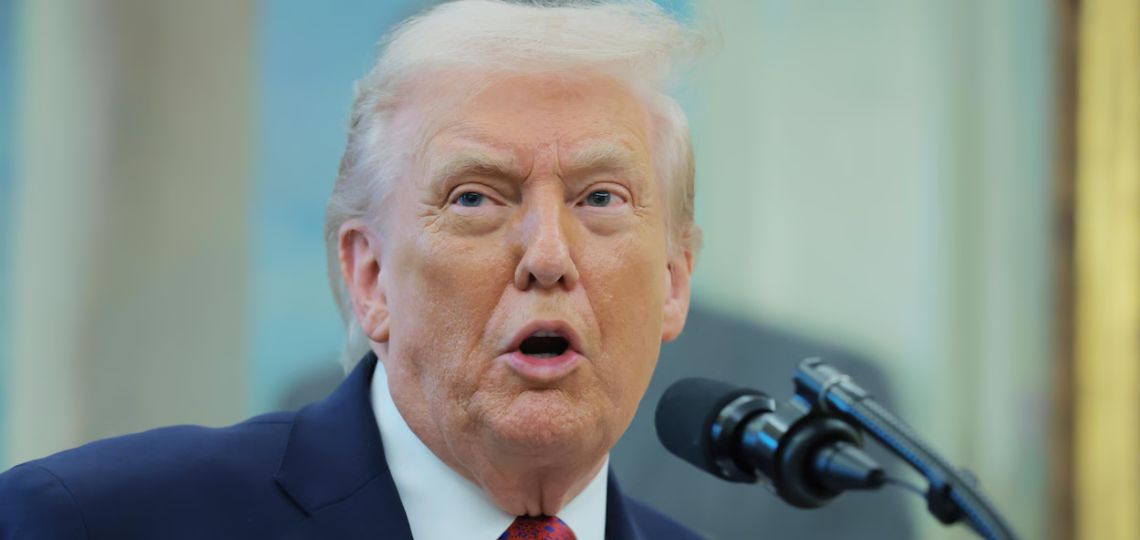
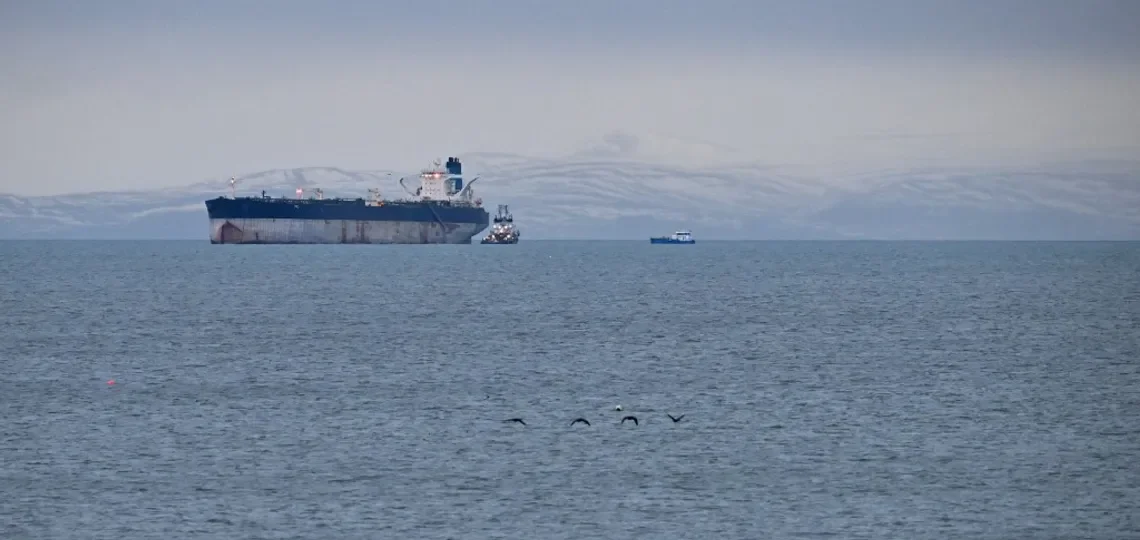
U.S. President Donald Trump has ordered a total blockade on all sanctioned tankers heading to or departing from Venezuela, significantly increasing economic pressure on President Nicolas Maduro’s government. The measure comes amid growing tensions between Washington and Caracas, with bilateral relations remaining frozen for several years.
Increased military and economic pressure in the Caribbean
In recent months, the United States has strengthened its naval presence in the Caribbean, conducting targeted interceptions of vessels suspected of transporting Venezuelan oil. According to U.S. authorities, these actions aim to combat drug trafficking and prevent the funding of illicit activities through crude exports. President Trump mentioned an “armada” encircling the country and stated that the deployment would intensify until the return of “stolen assets”, without elaborating on the accusations.
The recent seizure of the tanker Skipper en route to Cuba illustrates this strategy. The vessel, carrying between one and two million barrels of Venezuelan crude valued between $50mn and $100mn, had been listed under U.S. sanctions since 2022 for alleged ties to the Islamic Revolutionary Guard Corps and Lebanese Hezbollah.
Impact on exports and reactions from oil operators
American company Chevron confirmed that its operations in Venezuela, conducted under a sanctions waiver, are continuing in compliance with applicable laws. Chevron remains one of the few foreign companies authorised to operate in the country despite sanctions imposed since 2019. However, this exemption is subject to strict conditions periodically renewed by the U.S. Department of the Treasury.
The Venezuelan government condemned Trump’s announced blockade as a “grotesque threat”, accusing the United States of attempting to “steal the country’s resources”. Opposition leader Maria Corina Machado, recently awarded the Nobel Peace Prize, welcomed the decision and called for increased international pressure.
Legal implications and internal U.S. government debates
The announcement came as the U.S. Secretaries of Defense and State defended at Congress the maritime strikes carried out since September, officially numbering at least 26. These operations have resulted in the deaths of at least 95 individuals, although no evidence of their involvement in drug trafficking has been made public.
The legal consequences of seizing sanctioned oil cargoes, such as that aboard the Skipper, remain debated within federal agencies. Effectively controlling Venezuelan crude flows to markets like China or Cuba, often through shadow networks, continues to pose a persistent challenge for U.S. enforcement authorities.