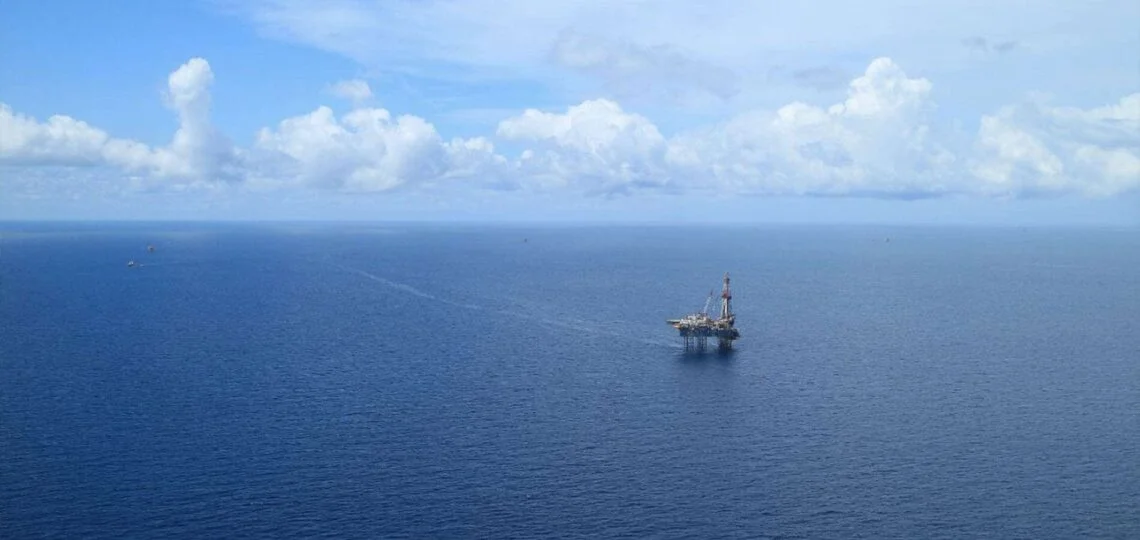
TotalEnergies takes control of PEL83 license in Namibia with Mopane discovery

TotalEnergies acquires a 40% operated interest in the offshore PEL83 license, marking a strategic move in Namibia with the Mopane oil field, while Galp secures stakes in two other promising blocks.
Share:

Comprehensive energy news coverage, updated nonstop

Annual subscription

8.25$/month*

*billed annually at 99$/year for the first year then 149,00$/year ​

Unlimited access • Archives included • Professional invoice

OTHER ACCESS OPTIONS

Monthly subscription

Unlimited access • Archives included

5.2$/month*
then 14.90$ per month thereafter

FREE ACCOUNT

3 articles offered per month

FREE

*Prices are excluding VAT, which may vary depending on your location or professional status

Since 2021: 35,000 articles • 150+ analyses per week

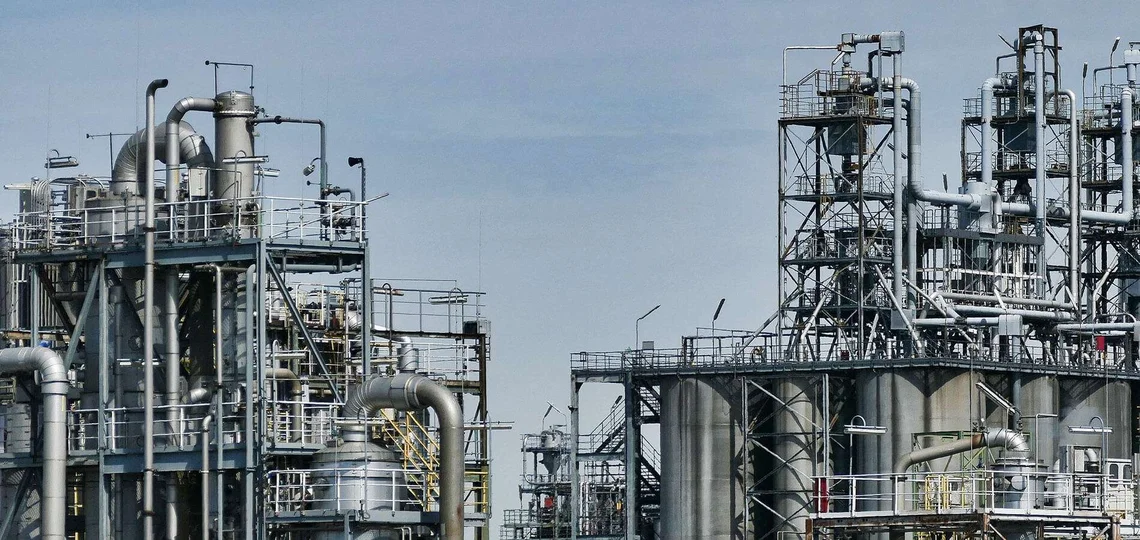
TotalEnergies has signed an agreement with Portuguese company Galp Energia SGPS SA to acquire a 40% operated interest in the offshore PEL83 license in Namibia. This block includes the Mopane discovery, one of the country’s most promising fields. In exchange, Galp will receive a 10% participating interest in the PEL56 license, which includes the Venus discovery, as well as a 9.39% interest in the PEL91 license.
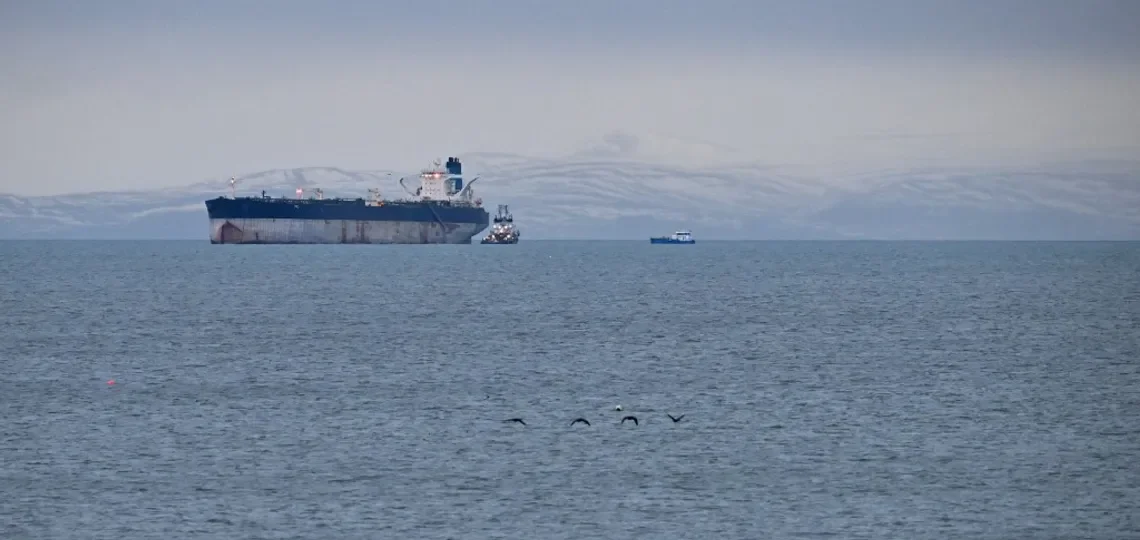
A strategic exchange between two offshore majors

By becoming the operator of PEL83, TotalEnergies strengthens its position in Namibia, now operating the country’s two largest oil discoveries, Venus and Mopane. The French company has also agreed to finance 50% of Galp’s exploration and initial development expenditures on the PEL83 block. This funding will be reimbursed through 50% of Galp’s future cash flows from the Mopane project.

The agreement also includes a three-well exploration and appraisal campaign over the next two years, with a first well scheduled for 2026. This phase aims to reduce remaining resource uncertainties and accelerate the path to commercial production.

Towards an offshore oil hub in Namibia

The transaction is subject to regulatory approvals from Namibian authorities and joint venture partners. Completion is expected by 2026. Upon closing, the PEL83 license will be held as follows: TotalEnergies at 40%, Galp at 40%, Namcor (National Petroleum Corporation of Namibia) at 10%, and Custos Energy at 10%.

In the PEL56 license, which includes Venus, TotalEnergies will retain a 35.25% operated interest, in partnership with QatarEnergy (35.25%), Galp (10%), Namcor (10%), and Impact Oil & Gas (9.5%). For the PEL91 license, the company will hold a 33.085% operated interest, alongside QatarEnergy (33.025%), Namcor (15%), Galp (9.39%), and Impact (9.5%).

Strengthened commitment to Venus and Mopane development

TotalEnergies remains focused on advancing the development of the Venus field, with a final investment decision expected in 2026. The company aims to capitalise on synergies between the blocks to establish an integrated deepwater production hub, leveraging logistical and technical complementarities.

Namibia, previously absent from the global oil production map, is emerging as a future player in offshore development. The combined resources of Venus and Mopane could secure the country’s place on the energy landscape of southern Africa.

Viridien has launched a 4,300 sq km seismic reimaging programme over Angola’s offshore block 22 to support the country’s upcoming licensing round in the Kwanza Basin.
Shell restructures its stake in the Caspian pipeline by exiting the joint venture with Rosneft, with Kremlin approval, to comply with sanctions while maintaining access to Kazakh crude.
Shell acquires 60% of Block 2C in the Orange Basin, commits to drilling three wells and paying a $25mn signing bonus to PetroSA, pending regulatory approval in South Africa.
Malgré la pression exercée sur le gouvernement vénézuélien, Washington ne cherche pas à exclure Caracas de l’OPEP, misant sur une influence indirecte au sein du cartel pour défendre ses intérêts énergétiques.
Kazakhstan redirects part of its oil production to China following the drone attack on the Caspian Pipeline Consortium terminal, without a full export halt.
US investment bank Xtellus Partners has submitted a plan to the US Treasury to recover frozen Lukoil holdings for investors by selling the Russian company’s international assets.
Ghanaian company Cybele Energy has signed a $17mn exploration deal in Guyana’s shallow offshore waters, targeting a block estimated to contain 400 million barrels and located outside disputed territorial zones.
Oil prices moved little after a drop linked to the restart of a major Iraqi oilfield, while investors remained focused on Ukraine peace negotiations and an upcoming monetary policy decision in the United States.
TechnipFMC will design and install flexible pipes for Ithaca Energy as part of the development of the Captain oil field, strengthening its footprint in the UK offshore sector.
Vaalco Energy has started drilling the ET-15 well on the Etame platform, marking the beginning of phase three of its offshore development programme in Gabon, supported by a contract with Borr Drilling.
The attack on a key Caspian Pipeline Consortium offshore facility in the Black Sea halves Kazakhstan’s crude exports, exposing oil majors and reshaping regional energy dynamics.
Iraq is preparing a managed transition at the West Qurna-2 oil field, following US sanctions against Lukoil, by prioritising a transfer to players deemed reliable by Washington, including ExxonMobil.
The Rapid Support Forces have taken Heglig, Sudan’s largest oil site, halting production and increasing risks to regional crude export flows.
The rehabilitation cost of Sonara, Cameroon’s only refinery, has now reached XAF300bn (USD533mn), with several international banks showing growing interest in financing the project.
China imported 12.38 million barrels per day in November, the highest level since August 2023, driven by stronger refining margins and anticipation of 2026 quotas.
The United States reaffirmed its military commitment to Guyana, effectively securing access to its rapidly expanding oil production amid persistent border tensions with Venezuela.
Sanctioned tanker Kairos, abandoned after a Ukrainian drone attack, ran aground off Bulgaria’s coast, exposing growing legal and operational risks tied to Russia’s shadow fleet in the Black Sea.
The United States is temporarily licensing Lukoil’s operations outside Russia, blocking all financial flows to Moscow while facilitating the supervised sale of a portfolio valued at $22bn, without disrupting supply for allied countries.
Libya’s state oil firm NOC plans to launch a licensing round for 20 blocks in early 2026, amid mounting legal, political and financial uncertainties for international investors.
European sanctions on Russia and refinery outages in the Middle East have sharply reduced global diesel supply, driving up refining margins in key markets.

All the latest energy news, all the time

Annual subscription

8.25$/month*

*billed annually at 99$/year for the first year then 149,00$/year ​

Unlimited access - Archives included - Pro invoice

Monthly subscription

Unlimited access • Archives included

5.2$/month*
then 14.90$ per month thereafter

*Prices shown are exclusive of VAT, which may vary according to your location or professional status.

Since 2021: 30,000 articles - +150 analyses/week.