
TotalEnergies Marketing France, Rubis and EG Retail have been fined €187.5mn following an investigation into anti-competitive practices in Corsica’s fuel distribution sector. The French Competition Authority found that the companies had set up an agreement restricting access to the island’s oil depots, creating unfavourable conditions for non-affiliated market players.
The sanctioned companies hold shares in Dépôts Pétroliers de la Corse (DPLC), the entity responsible for managing Corsica’s central fuel storage infrastructure. According to the Authority, these firms granted themselves exclusive use of the facilities, forcing competitors to purchase fuel under terms dictated by these same companies, often at a financial disadvantage.
Access conditions generating additional costs for independent operators
The investigation revealed a system where non-shareholding distributors bore higher costs due to multiple mark-ups imposed by rivals. This arrangement reinforced the market dominance of the involved firms, reducing procurement options for smaller or independent operators.
TotalEnergies Marketing France was fined €115.8mn. Rubis Énergie received a €64.2mn fine, Rubis Terminal €430,000, and EG Retail €7mn. The fine amounts reflect the duration of the practices, the role of each party, and their estimated impact on the market.
A concentrated island market with limited competition
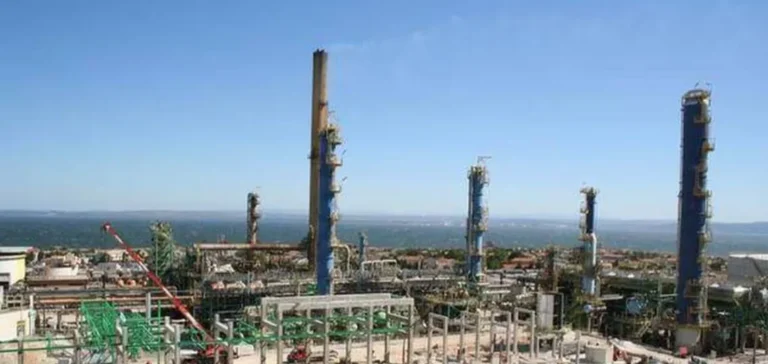
As Corsica has no refinery, fuel supply relies on two storage depots operated through DPLC. Once shared by several multinational oil firms, the DPLC structure came under the exclusive control of Rubis between 2010 and 2017 through successive asset transfers.
The investigation began in late 2021 and was strengthened by a 2022 complaint filed by Ferrandi. The Corsican market remains highly concentrated, dominated by three main fuel distributors and insulated from pricing pressures common on the mainland, particularly from large-scale retail outlets.
Immediate enforcement of fines despite appeal possibility
Companies have one month to file an appeal, which will not suspend enforcement. This lack of suspensive effect keeps the penalties in place during the appeal process, creating uncertainty for the firms involved and altering the local market dynamics.