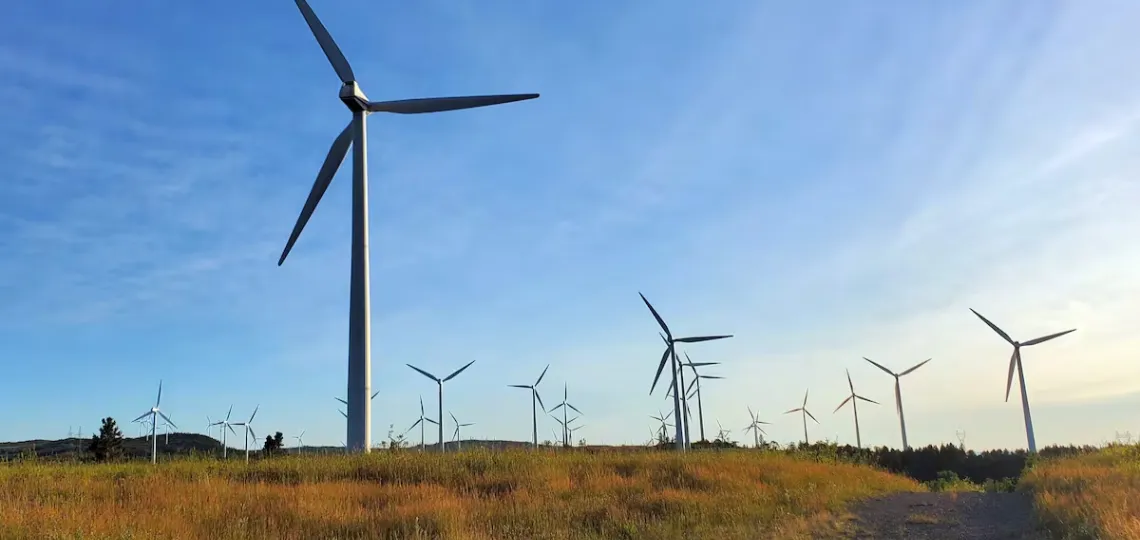
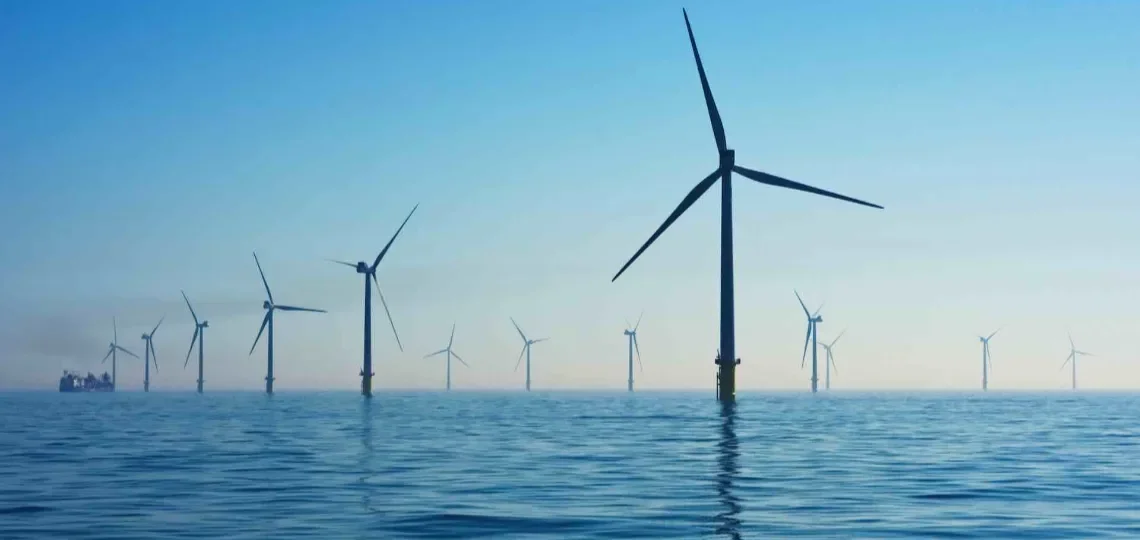
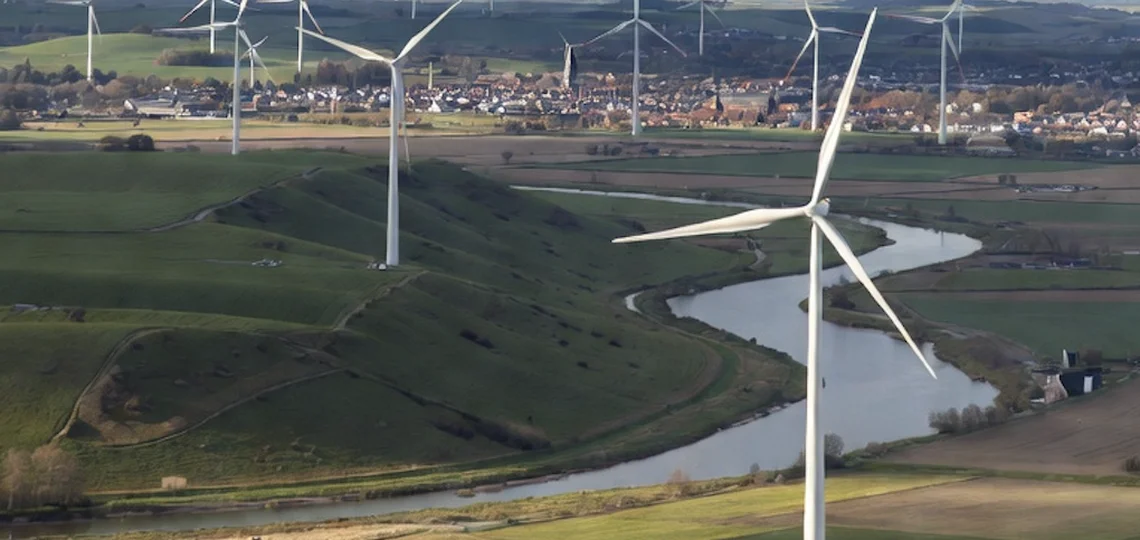
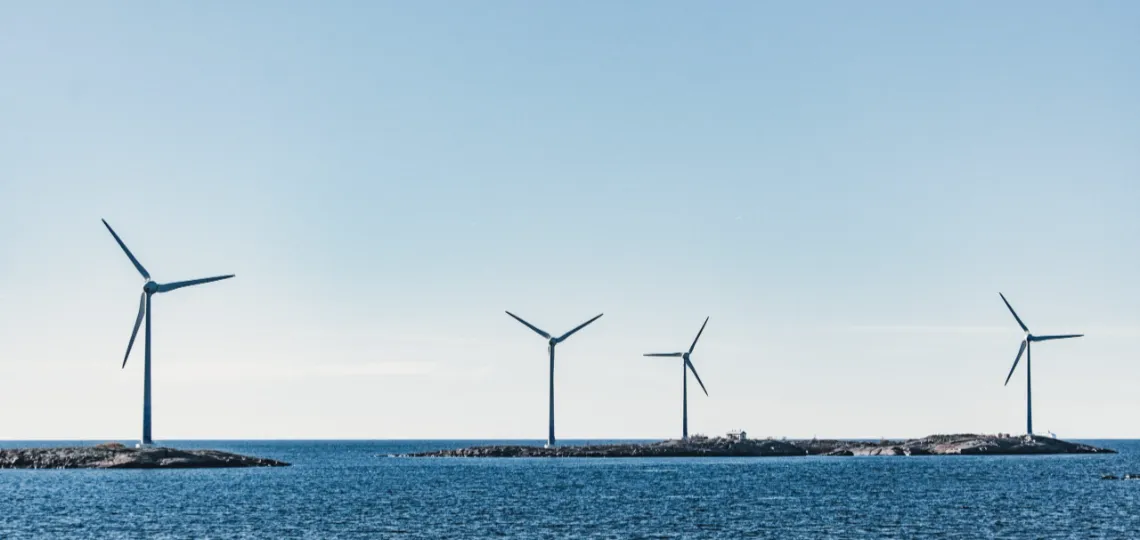
Québec has approved the construction of three wind farms with a combined capacity of 792.32 megawatts, marking a significant step in its goal to double electricity production. Located in the Bas-Saint-Laurent and Capitale-Nationale regions, the projects are part of Hydro-Québec’s 2035 Plan, aimed at meeting growing demand and diversifying the province’s energy mix.
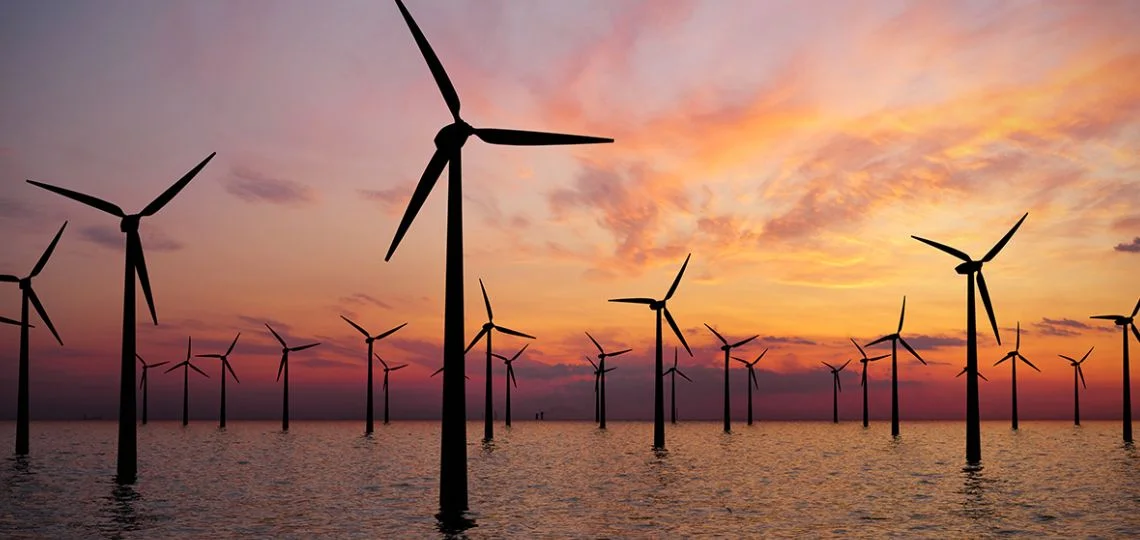
Projects distributed across two strategic regions
The Canton MacNider Commandité inc. wind farm will include 21 turbines, generating 122.32 MW, on private lands in the La Matapédia regional county municipality. The Madawaska inc. project will consist of 45 turbines with a total output of 270 MW, installed on both public and private lands in the municipalities of Saint-Jean-de-la-Lande and Dégelis. The largest, Des Neiges – Charlevoix Sector wind farm by Société de projet BVH2 S.E.N.C., will feature 57 turbines providing 400 MW on private land owned by the Séminaire de Québec in Baie-Saint-Paul.
Together, the three wind farms are expected to power approximately 140,000 homes annually. In addition to enhancing the province’s energy security, they are projected to generate local economic benefits through job creation and infrastructure investments.
Environmental measures imposed on developers
All three projects received approval conditional on compliance with stringent environmental mitigation and compensation measures. These include the protection of wetlands and water bodies, monitoring of noise levels, and targeted actions to reduce impact on bird species. The government also specified that project development must align with the expectations of host communities.
The Des Neiges project must also implement a specific action plan to support the recovery of the Charlevoix woodland caribou, identified as a priority species by provincial authorities. The plan must follow the government’s existing wildlife conservation guidelines.
An energy project with economic scope
Québec officials stated the new wind farms will strengthen the energy network while reducing reliance on hydrocarbons. The government added that local procurement will be prioritised during development to maximise regional economic benefits.
The 2035 Plan outlines major investments in renewable energy. These wind projects are positioned as a key part of the government’s efforts to meet electricity demand and secure a more diversified energy mix.