The United States will validate 19 gigawatts of battery storage this year

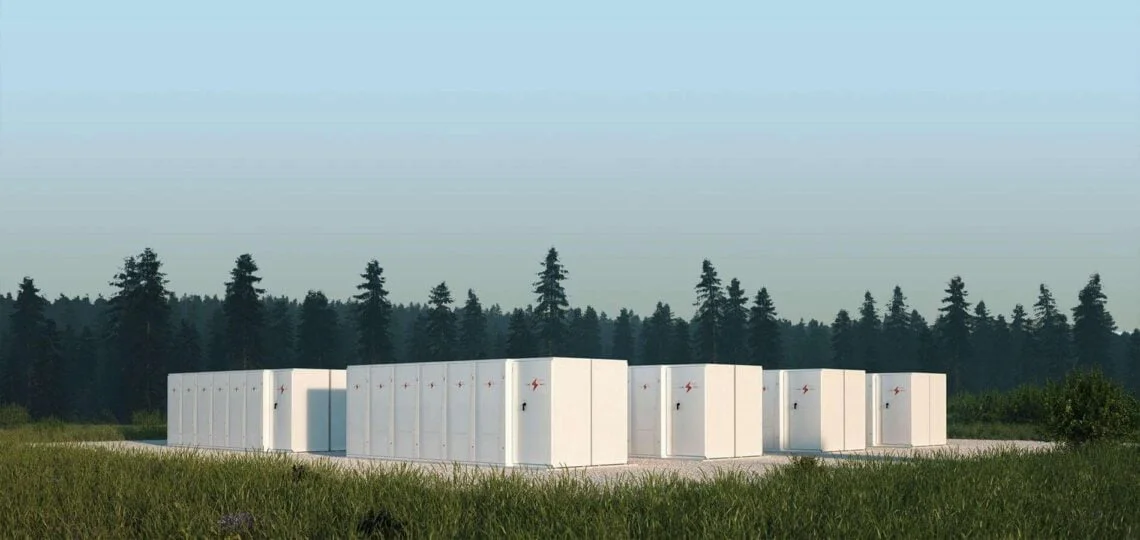
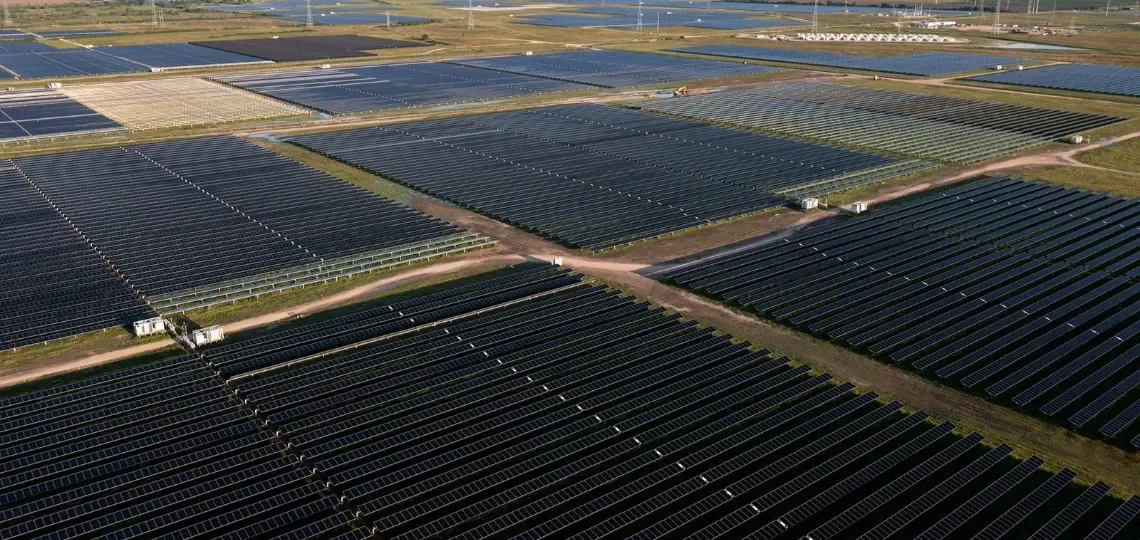
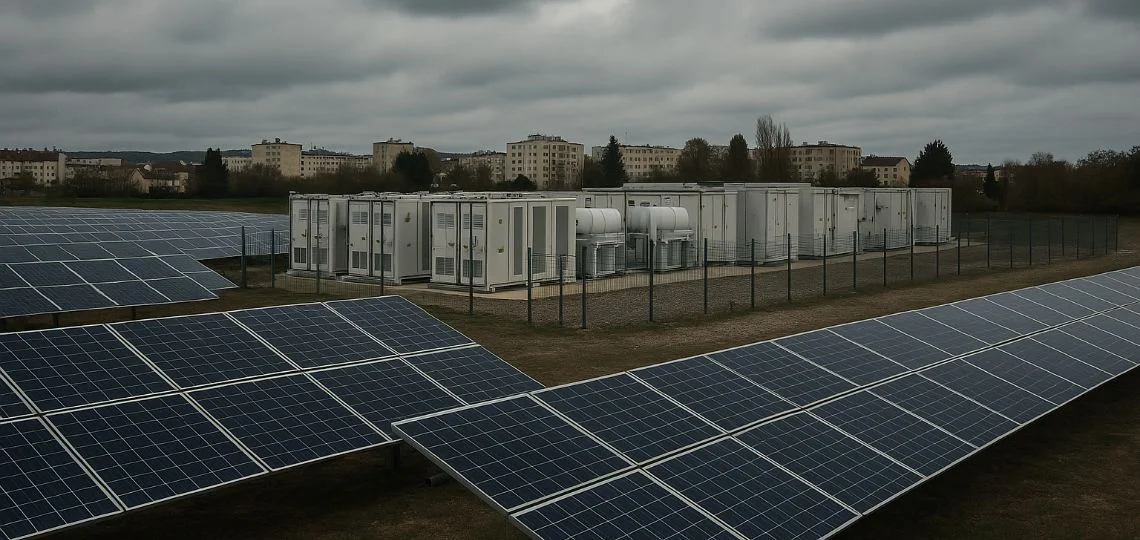
The United States has reached a record amount of battery storage, totaling 19 gigawatts in its finalization phase. Sustained investments and regional strategies confirm the rapid growth of this market, which is essential for the reliability of the electric grid.
Share:

Comprehensive energy news coverage, updated nonstop

Annual subscription

8.25$/month*

*billed annually at 99$/year for the first year then 149,00$/year ​

Unlimited access • Archives included • Professional invoice

OTHER ACCESS OPTIONS

Monthly subscription

Unlimited access • Archives included

5.2$/month*
then 14.90$ per month thereafter

FREE ACCOUNT

3 articles offered per month

FREE

*Prices are excluding VAT, which may vary depending on your location or professional status

Since 2021: 35,000 articles • 150+ analyses per week

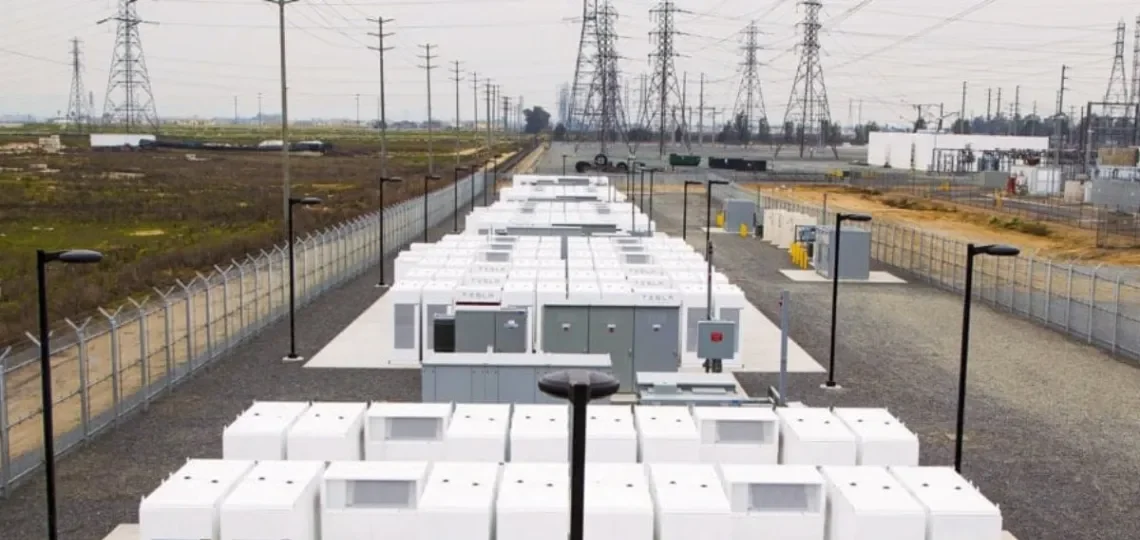
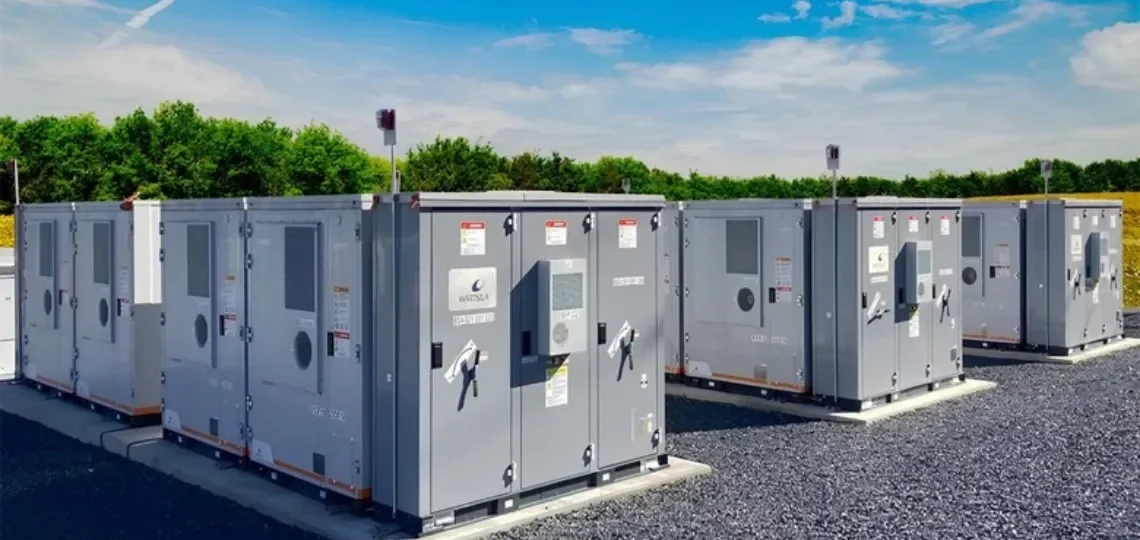
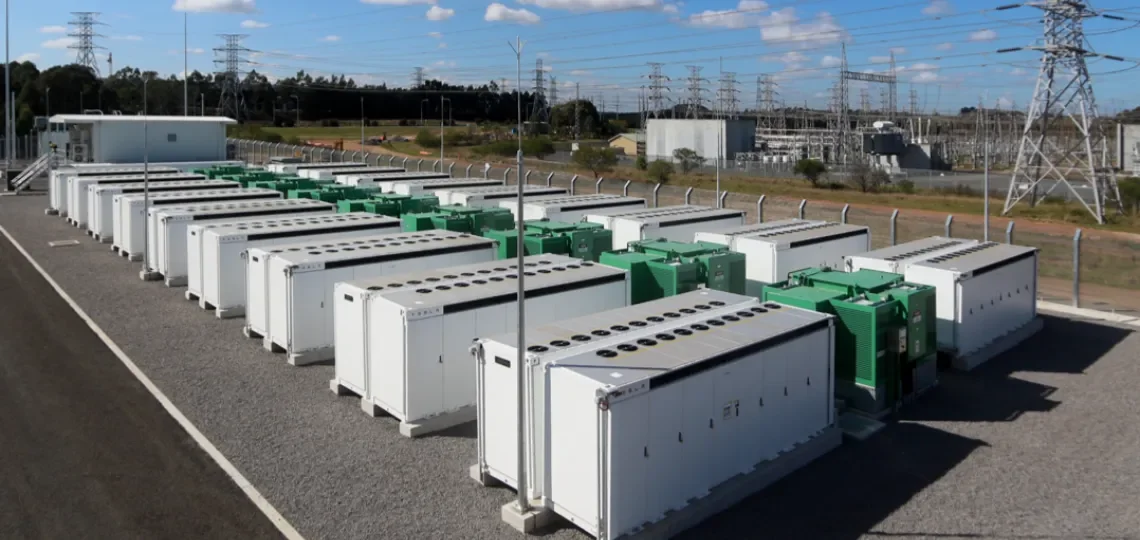
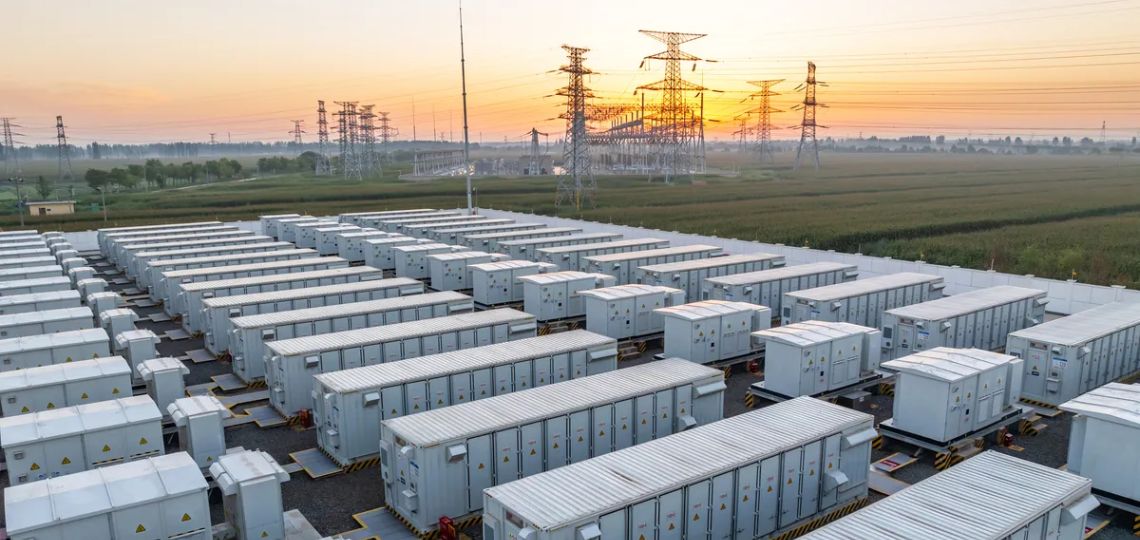
The United States stands out as one of the main markets for battery storage, according to the Federal Energy Regulatory Commission (FERC). Based on validated projects, the country anticipates 19 gigawatts (GW) of operational installations by the end of the year. Strong electricity demand is prompting operators to bolster their infrastructure to smooth out consumption peaks and reduce possible disruptions. Several specialized institutions believe that these additional capacities will further stimulate energy market exchanges.

Investments and regional rollout

The California Independent System Operator (CAISO) already reports more than 7 GW of storage connected, part of which has completed operational testing. Texas attracts investors with a favorable regulatory environment and high electricity consumption. According to the Energy Information Administration (EIA), the average cost of batteries has dropped by about 50% over five years, allowing wider access to these solutions. Some analysts suggest that the rise of these systems could cover nearly 10% of peak demand in the most energy-intensive regions.

Current projects rely primarily on lithium-ion batteries, although other technologies are emerging to diversify supply. Developers often establish long-term agreements, securing the sale of stored energy to distributors or industrial customers. Several consortiums capitalize on price volatility to optimize their revenue, taking advantage of variations in market rates. Validating these 19 GW nationwide meets the operators’ requirements and fosters economic growth opportunities.

Financial strategies and operational challenges

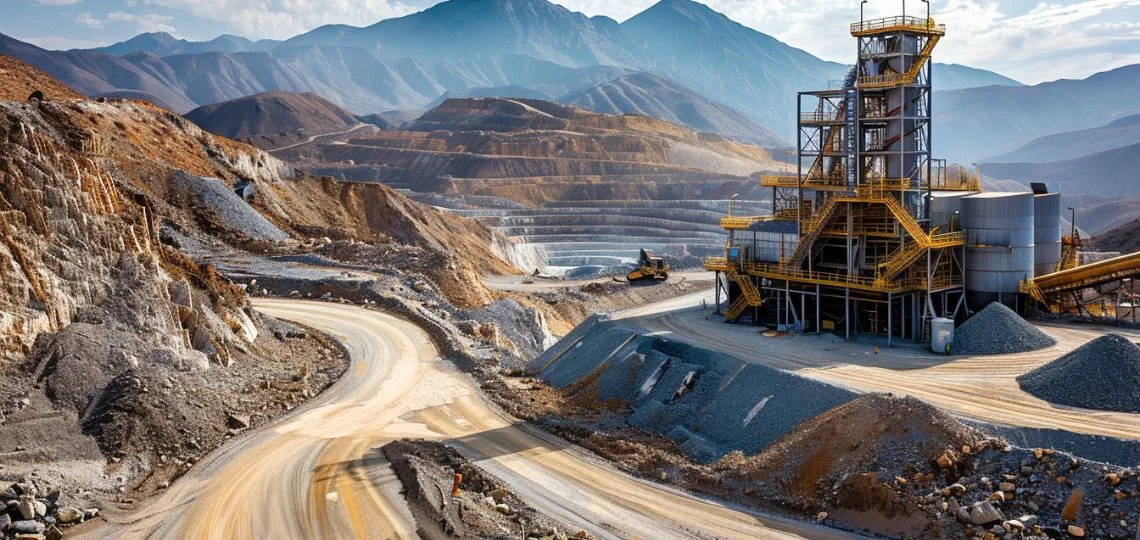
International investment funds consider this sector promising, with returns sometimes surpassing those of other energy segments. Local authorities encourage the deployment of additional capacity through specific aid mechanisms or targeted tax reductions. However, securing strategic minerals remains crucial to sustaining this industrial momentum. Market experts estimate that the strength of the supply chain will directly affect both the reliability and profitability of large-scale installations.
China's electricity market overhaul improves the profitability of energy storage, supporting a rapid increase in battery exports as global demand rises with data centres and power grids.
South Korea’s Tilda accelerates its entry into Vietnam with an artificial intelligence-based energy optimisation solution for solar and energy storage systems in the manufacturing sector.
Aegis Critical Energy Defence Corp. and Seetel New Energy have created Cordelia BESS to respond to Ontario’s LT2 call for proposals, aimed at strengthening energy capacity through battery storage.
esVolta finalises investment tax credit transfer for its Black Walnut storage project to Computacenter, marking a first-of-its-kind operation within its California energy portfolio.
Peregrine Energy Solutions has begun construction on a 500 MWh storage project in Texas, relying on Wärtsilä's technology and WHC's engineering expertise to enhance ERCOT grid flexibility.
The world's largest battery energy storage system enters service in Saudi Arabia, with an annual capacity of 2.2 billion kWh spread across three strategic sites in the southwest of the country.
Masdar begins commercial operations at a Stockport battery storage unit and announces two more UK projects, part of a £1bn ($1.25bn) plan for 3GWh of BESS capacity.
Australia-based storage platform Akaysha Energy has launched its first operational project, a 155 MW battery in Queensland, while confirming its expansion to over 1 GWh.
LehmanSoft Japan connected a 2MW/8.1MWh energy storage facility to the grid in Chichibu City, marking its entry into the Japanese stationary storage market.
Akuo launches a large-scale electricity storage project in Boulouparis, with a 200 MWh capacity, to support New Caledonia’s grid stability and reinforce the integration of renewable energies.
Spie and Tesla have signed a framework agreement to install battery electricity storage systems in Europe, focusing on France, Poland and Germany.
The group has won a strategic project with operator Amprion to deploy five 50 MW batteries to ease pressure on the German power grid and optimise electricity transmission.
Vena Energy has begun construction of a 408 MWh battery energy storage system in Tailem Bend, marking a new phase in the deployment of its infrastructure in Australia.
The explosion of battery storage applications in Germany is causing grid congestion and pushing Berlin to revise its regulatory framework to prevent market saturation.
The collapse in storage costs positions batteries as a key lever for dispatchable solar, but dependence on Chinese suppliers creates growing tension between competitiveness and supply chain security.
JA Solar has launched a microgrid combining 5.2 MW of solar and 2.61 MWh of storage at an industrial site in Sicily, marking its first application of the "PV+Storage+X" model in Italy.
Sinexcel has installed a 2MW/8MWh energy storage system in Matsusaka, marking a breakthrough in a regulated market after five years of technical partnerships and gradual deployment in Japan.
Inlyte Energy has successfully completed factory validation testing of its first full-scale iron-sodium battery, witnessed by Southern Company, paving the way for a pilot installation in the United States in early 2026.
Neoen begins construction of a new 305 MW stage in Australia, raising its total battery storage capacity in the country to 2 GW, and signs two additional virtual battery contracts with ENGIE.
ENGIE has awarded NHOA Energy the contract for a 320 MWh battery energy storage system in Drogenbos, marking a new step in their industrial partnership in Belgium.

All the latest energy news, all the time

Annual subscription

8.25$/month*

*billed annually at 99$/year for the first year then 149,00$/year ​

Unlimited access - Archives included - Pro invoice

Monthly subscription

Unlimited access • Archives included

5.2$/month*
then 14.90$ per month thereafter

*Prices shown are exclusive of VAT, which may vary according to your location or professional status.

Since 2021: 30,000 articles - +150 analyses/week.