The European Union seals a $750 billion deal on American energy
The European Union and Washington have finalized an agreement setting $750 billion in U.S. gas, oil and nuclear purchases, complemented by $600 billion in European investments in the United States by 2028.

| Sectors | Gas, Nuclear Energy, LNG, Nuclear Fuel Cycle, Critical Metals |
|---|---|
| Themes | Investments & Transactions, Commercial Partnerships |
| Countries | United States |
The European Union and the United States have announced a trade framework of unprecedented scale. The text commits European countries to import $750 billion worth of U.S. energy resources over the coming years, with a distribution focused on liquefied natural gas (LNG), oil, and nuclear products. These volumes will give U.S. exporters multi-year commercial visibility while reshaping the transatlantic balance of energy trade.
LNG at the heart of European commitments
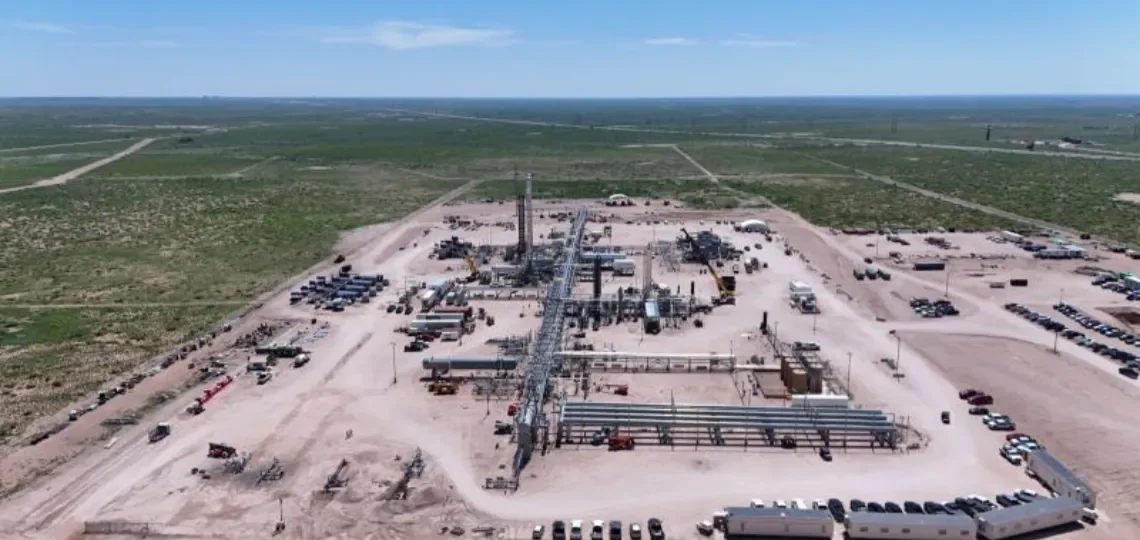
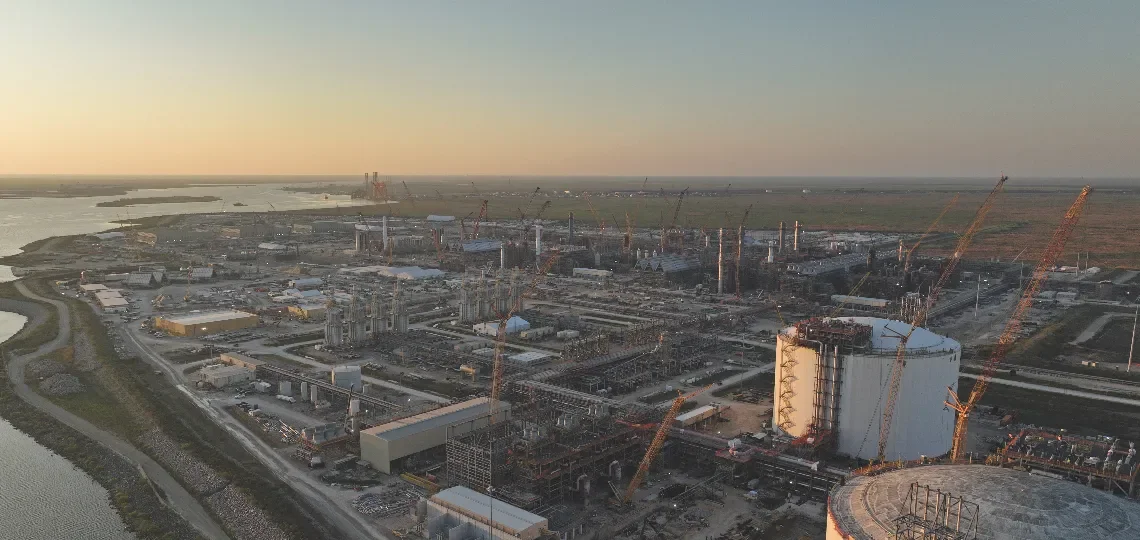
A substantial part of the agreement concerns liquefied natural gas, presented as a pillar of future deliveries to Europe. The text calls for the strengthening of transport and regasification infrastructure to absorb these volumes. U.S. oil imports will add to this framework, while contracts related to nuclear products complete the energy portfolio. Altogether, this represents an unprecedented volume of transactions between the two blocs.
European investments in the United States
In parallel with energy purchases, European companies will invest $600 billion in the U.S. economy. These investments will mainly target industrial and energy infrastructure, as well as digital technologies. A separate component commits European countries to purchase $40 billion worth of semiconductors for data centers dedicated to artificial intelligence. The agreement also includes a cooperation mechanism to limit technological leakage to external actors.
Trade opening and tariff measures
Talks also addressed tariffs. The United States confirmed a 15% cap on European products, combined with a most-favored-nation clause for aerospace, pharmaceutical, and industrial exports. The European Union, for its part, agreed to expand access to the European agricultural market for certain American products, including fish, fruits, vegetables, and nuts.
Strategic issues and bilateral coordination
Both parties announced their intention to act jointly in the event of restrictions imposed by third countries on critical minerals. These resources are considered essential for energy transition and technological supply chains. Finally, Washington indicated that the reduction of automotive tariffs, currently at 27.5%, could take place once the European Union adopts reciprocal trade measures.