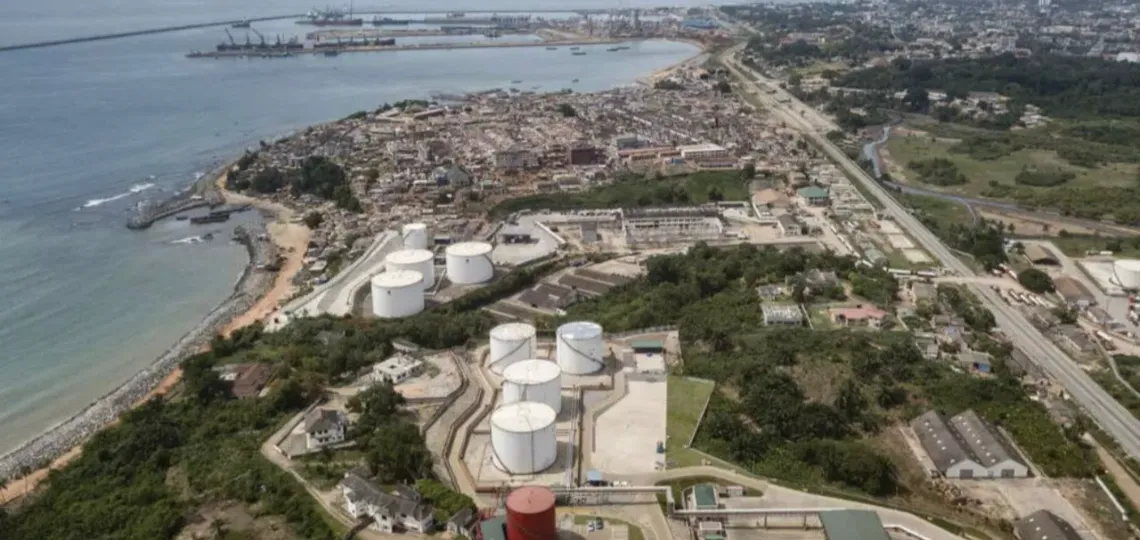
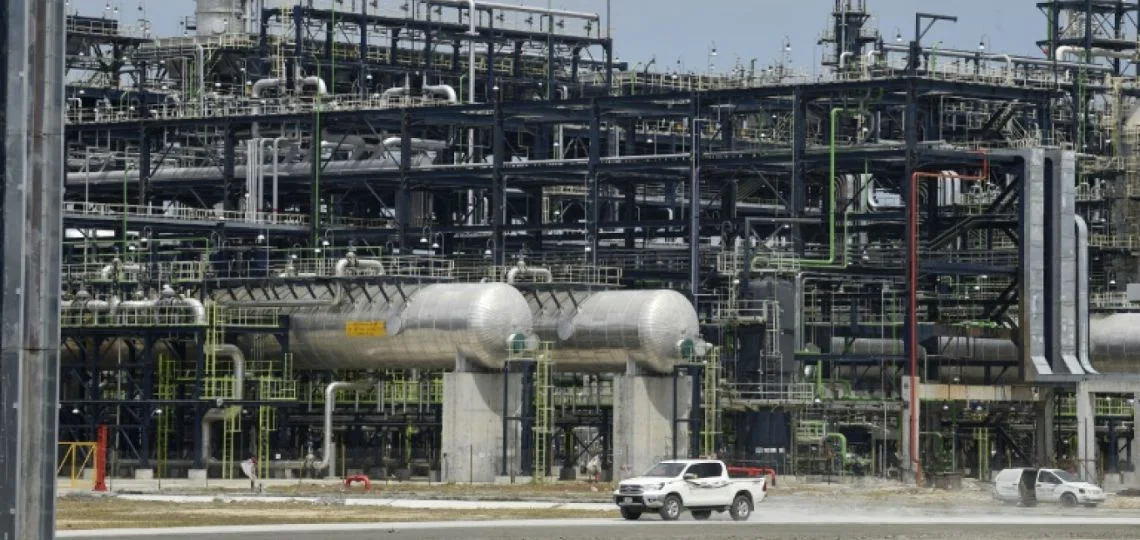
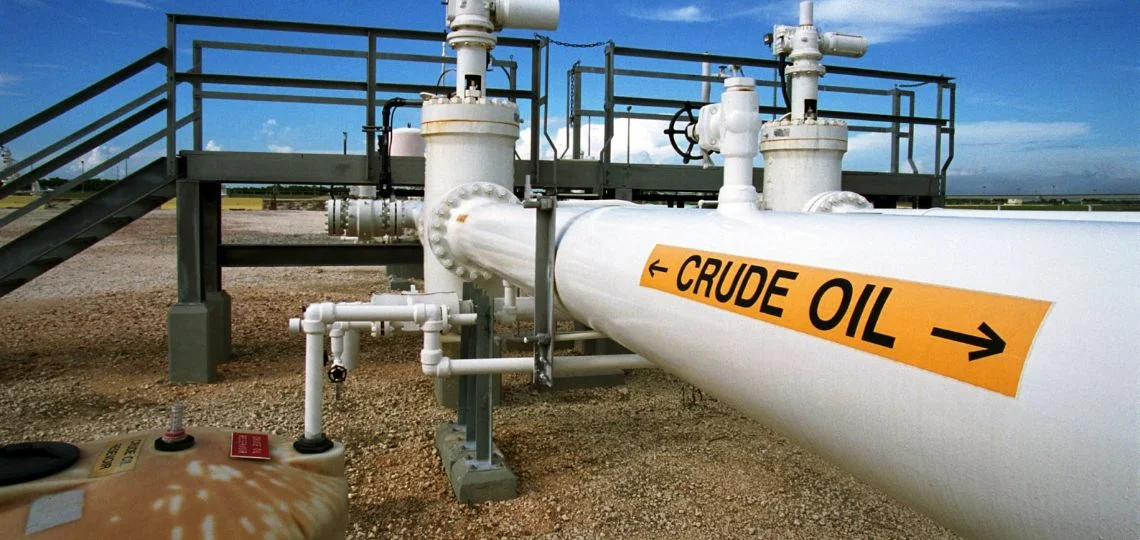
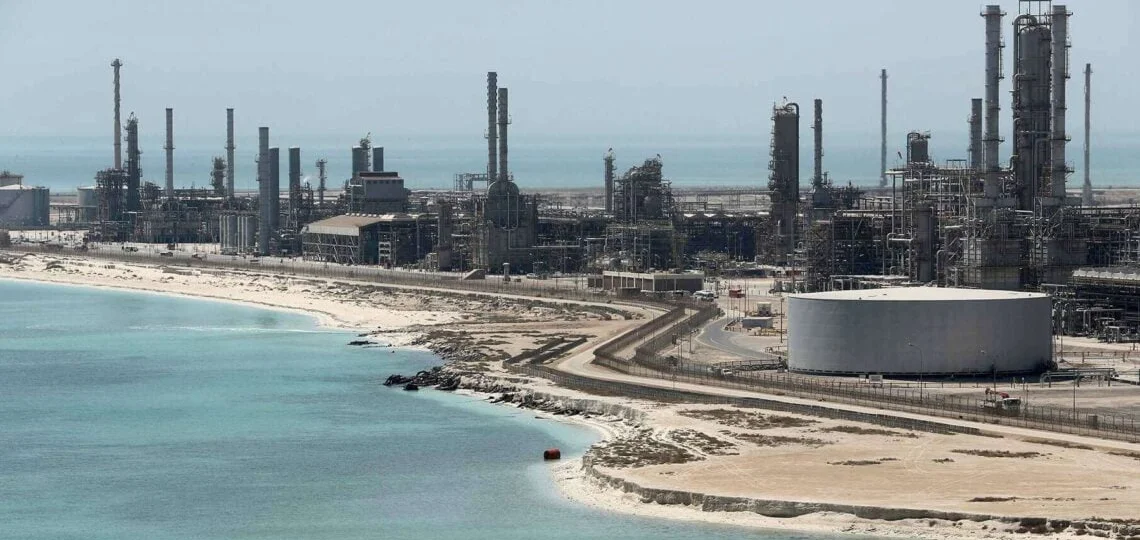
Tema Oil Refinery (TOR) has officially resumed crude oil refining operations after a four-year suspension, according to a company statement issued on December 27. This partial restart follows maintenance work completed at the end of October, which enabled the reactivation of key equipment required for the progressive resumption of production.
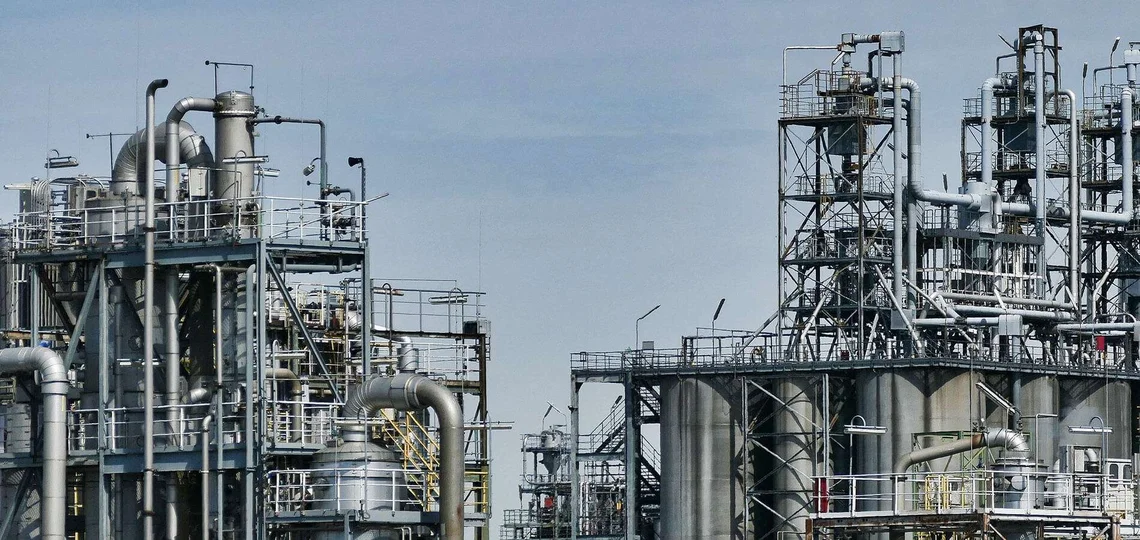
The current processing capacity is estimated at 28,000 barrels per day, equivalent to 62% of the plant’s nominal capacity of 45,000 barrels per day. The company stated that operations are being reinitiated gradually to ensure the industrial processes stabilise, amid ageing infrastructure and accumulated operational debt.
Regulatory approval and technical upgrades
The National Petroleum Authority (NPA), which regulates the downstream petroleum sector in Ghana, approved the plant’s compliance before authorising the restart. Notable upgrades include the integration of a new industrial furnace, designated F-61, and the planned installation of an air-cooling system. This system could eventually allow the refinery’s capacity to increase progressively to a stated target of 60,000 barrels per day.
The Tema facility, inaugurated over six decades ago, had gradually reduced its operations before shutting down entirely. The decline was attributed to equipment obsolescence, chronic underutilisation of available capacity, and the accumulation of operational debt.
Reducing dependence on imports
This restart takes place in a context of significant pressure from energy imports. In 2024, petroleum product imports reached $10.2bn, according to figures from the Bank of Ghana, highlighting the impact of this item on the country’s foreign exchange reserves. The Ghanaian government has repeatedly expressed its intent to reduce structural dependence on imported refined products.
The plant’s reactivation is also expected to help improve local energy security and stabilise domestic fuel prices. Until recently, TOR operated primarily as a storage and distribution facility without active refining.
Constrained financial environment
The resumption of refining operations comes amid a challenging financial climate for Ghana’s energy sector. The sector’s total debt exceeded $3bn at the start of 2025, including approximately $1.7bn owed to Independent Power Producers (IPPs). This situation continues to weigh on the country’s fiscal balance and limits investment capacity among public and private energy stakeholders.
While partial, the restart of Tema refinery marks a technical milestone for the country’s petroleum sector, with direct implications for local refined fuel supply and short-term import dynamics.