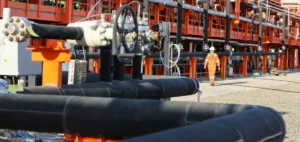
Beijing maintains investments and crude imports from Venezuela, while several Chinese state-owned and private companies seek to secure stakes in Caracas' reserves.
Serbia is aiming for a quick agreement between Gazprom and Hungarian group MOL on the sale of Russian-held NIS shares, key to restarting its only refinery shut down by US sanctions.
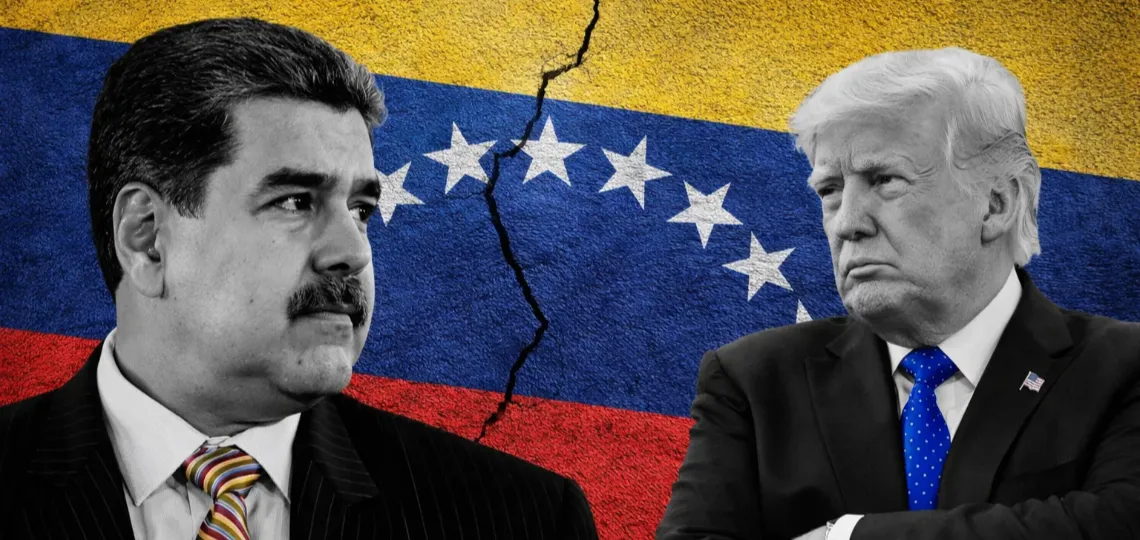
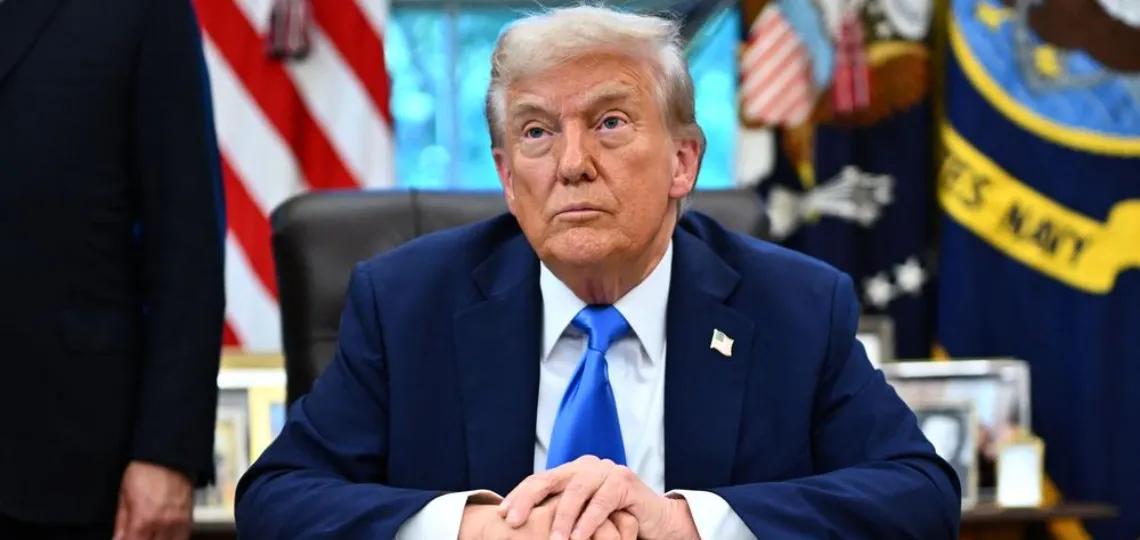
Washington has crossed a historic threshold by capturing Nicolas Maduro after years of sanctions and embargo. A look back at two decades of tensions and their implications for the global oil market.
Canadian group Saturn Oil & Gas has consolidated its subsidiaries into a single structure to optimise oil investments and reduce long-term administrative costs.
PBF Energy delays full resumption of operations at its Martinez, California refinery to February 2026 following a 2025 fire, while releasing throughput guidance for its entire refining network.
Chinese company CNOOC has started production at the Buzios6 project, raising the total capacity of the pre-salt oilfield to 1.15 million barrels per day.
Frontera Energy has signed a crude supply deal worth up to $120mn with Chevron Products Company, including an initial $80mn prepayment and an option for additional funding.
Amplify Energy has completed the sale of its Oklahoma assets for $92.5mn, as part of its strategy to streamline its portfolio and optimise its financial structure.
Turkish, Hungarian and Polish national companies confirm participation in Tripoli's summit as Libya revives upstream investments and broadens licensing opportunities.
Oil workers’ union FUP announced its intention to approve Petrobras’ latest proposal, paving the way to end a week-long national strike with no impact on production.
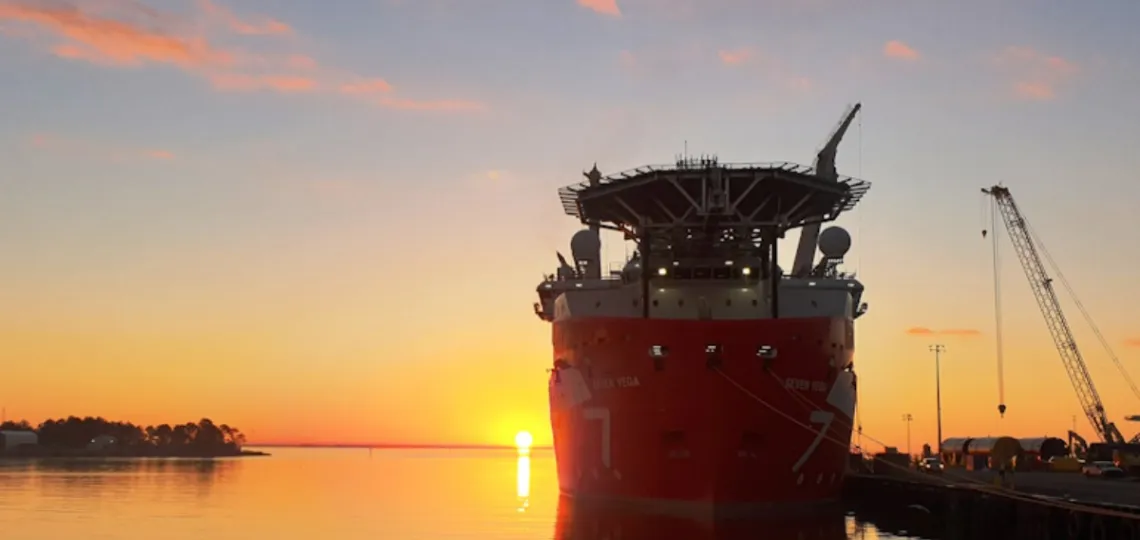
Subsea7 has secured a subsea installation contract from LLOG for the Buckskin South project, scheduled for execution between 2026 and 2027, strengthening its position in the Gulf of Mexico and boosting its order book visibility.
Global crude oil production is expected to rise by 0.8 million barrels per day in 2026, with Brazil, Guyana and Argentina contributing 50% of the projected increase.
Woodbridge Ventures II Inc. signs definitive agreement with Greenflame Resources for a transformative merger, alongside a concurrent financing of up to $10mn.
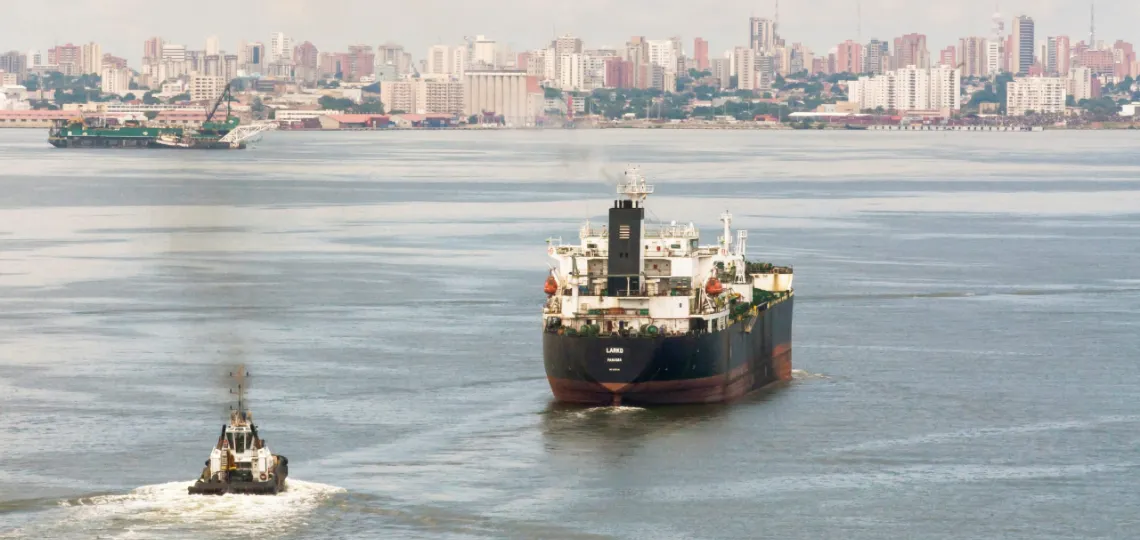
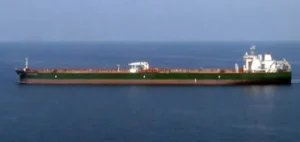
Interceptions of ships linked to Venezuelan oil are increasing, pushing shipowners to suspend operations as PDVSA struggles to recover from a cyberattack that disrupted its logistical systems.
Harbour Energy acquires US offshore operator LLOG for $3.2bn, adding 271 million barrels in reserves and establishing a fifth operational hub in the Gulf of Mexico.
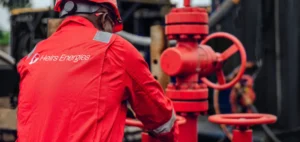
The agreement signed with Afreximbank marks a strategic shift for Heirs Energies, aiming to scale up its exploration and production operations on Nigeria's OML 17 oil block.
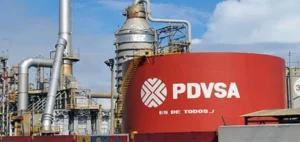
Venezuelan state oil group PDVSA claims it was targeted by a cyberattack attributed to foreign interests, with no impact on main operations, amid rising tensions with the United States.
BUTEC has finalised the financing of a 50 MW emergency power project in Burkina Faso, structured under a BOOT contract and backed by Banque Centrale Populaire Group.
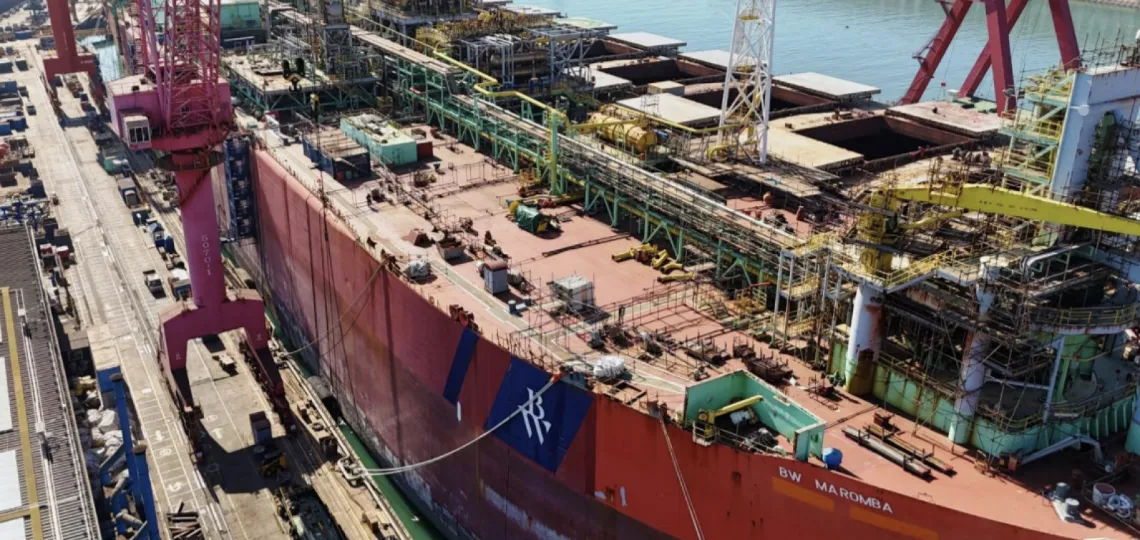
BW Energy has signed a long-term lease agreement with Minsheng Financial Leasing for its Maromba B platform, covering $274mn of the project’s CAPEX, with no payments due before first oil.
Shell will restart offshore exploration on Namibia’s PEL 39 block in April 2026 with a five-well drilling programme targeting previously discovered zones, despite a recent $400mn impairment.
Iranian authorities intercepted a vessel suspected of fuel smuggling off the coast of the Gulf of Oman, with 18 South Asian crew members on board, according to official sources.
Harbour Energy will acquire Waldorf Energy Partners’ North Sea assets for $170mn, increasing its stakes in the Catcher and Kraken fields, while Capricorn Energy settles part of its claims.
The United States intercepted an oil tanker loaded with Venezuelan crude and imposed new sanctions on maritime entities, increasing pressure on Nicolas Maduro’s regime and its commercial networks in the Caribbean.
OPEC expects crude demand from its members to reach 43 million barrels per day in 2026, nearly matching current OPEC+ output, contrasting with oversupply forecasts from other institutions.
The United States seized a vessel suspected of transporting sanctioned oil from Iran and Venezuela, prompting a strong reaction from Nicolás Maduro's government.
The International Energy Agency lowers its global oil supply forecast for 2026 while slightly raising demand growth expectations amid improved macroeconomic conditions.
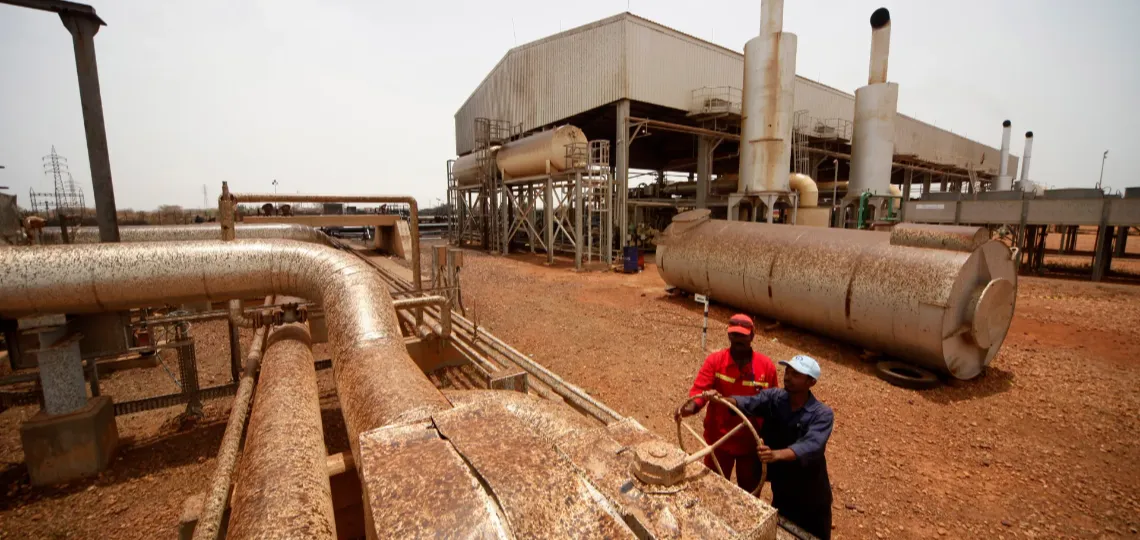
South Sudanese authorities have been granted responsibility for securing the strategic Heglig oilfield following an agreement with both warring parties in Sudan.
TotalEnergies acquires a 40% operated interest in the offshore PEL83 license, marking a strategic move in Namibia with the Mopane oil field, while Galp secures stakes in two other promising blocks.
BOURBON will provide maritime services to ExxonMobil Guyana for five years starting in 2026, marking a key step in the logistical development of the Guyanese offshore basin.
Viridien has launched a 4,300 sq km seismic reimaging programme over Angola’s offshore block 22 to support the country’s upcoming licensing round in the Kwanza Basin.
Shell restructures its stake in the Caspian pipeline by exiting the joint venture with Rosneft, with Kremlin approval, to comply with sanctions while maintaining access to Kazakh crude.
Shell acquires 60% of Block 2C in the Orange Basin, commits to drilling three wells and paying a $25mn signing bonus to PetroSA, pending regulatory approval in South Africa.
Malgré la pression exercée sur le gouvernement vénézuélien, Washington ne cherche pas à exclure Caracas de l’OPEP, misant sur une influence indirecte au sein du cartel pour défendre ses intérêts énergétiques.
Kazakhstan redirects part of its oil production to China following the drone attack on the Caspian Pipeline Consortium terminal, without a full export halt.
US investment bank Xtellus Partners has submitted a plan to the US Treasury to recover frozen Lukoil holdings for investors by selling the Russian company’s international assets.